

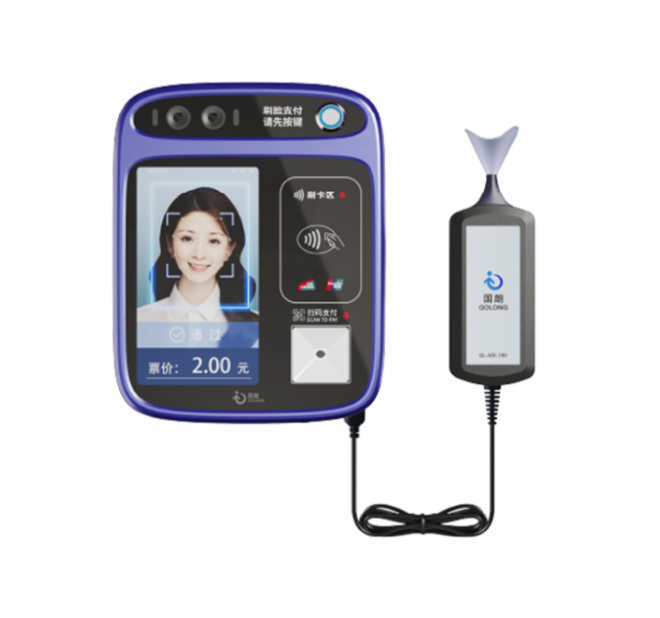
Alcohol Tester GL-ADI-100
- High-Precision, and High-Sensitivity Detection
- Provide UART/RS232 Output
- Breath Interruption Detection Function
- High Stability and Excellent Anti-Interference Ability
- Suitable for On-board Alcohol Detection and Similar Applications
Product Overview
The GL-ADI-100 Alcohol Tester is an instrument used to detect alcohol content in exhaled breath. Its core component utilizes an electrochemical fuel cell alcohol sensor, combined with a temperature sensor for temperature compensation, providing high precision, high sensitivity, and strong anti-interference. Additionally, the device integrates a pressure sensor to detect the act of blowing, further ensuring the authenticity of the measurement. It features a digital interface output for use.
Product Appearance
The product casing material meets comprehensive requirements in terms of cost, strength, impact resistance, and wear resistance. It also has a certain level of dust and splash resistance. The color scheme contrasts with the vehicle's interior colors for easy use by passengers, exuding a stable and dignified appearance. Below is a detailed introduction:
Overall dimensions: 150mm * 64mm
Maximum hook diameter: 32mm
Business Process
Through the coordination between the onboard payment terminal and the alcohol detection device, the driver’s identity verification is conducted simultaneously with alcohol testing. This process helps prevent drivers from engaging in illegal drinking behavior before or during their shifts.
The business logic of performing alcohol tests during driver identity verification enhances the optimization of bus management.
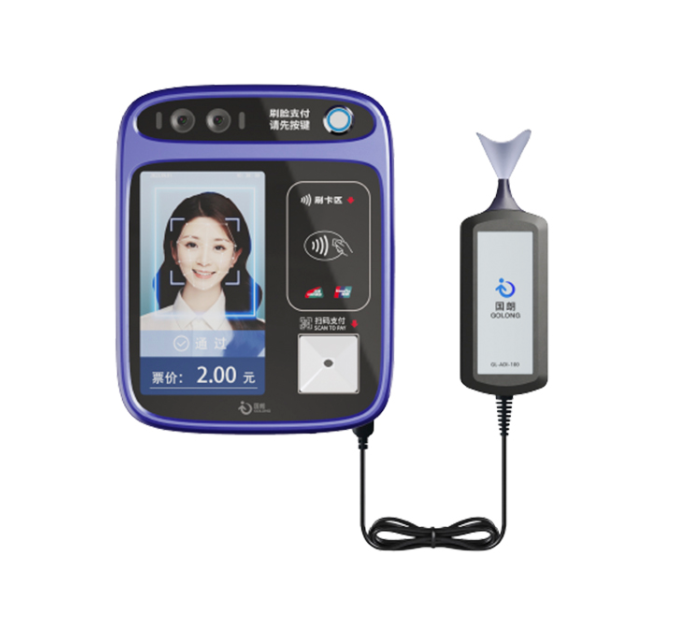
Golong POS Terminal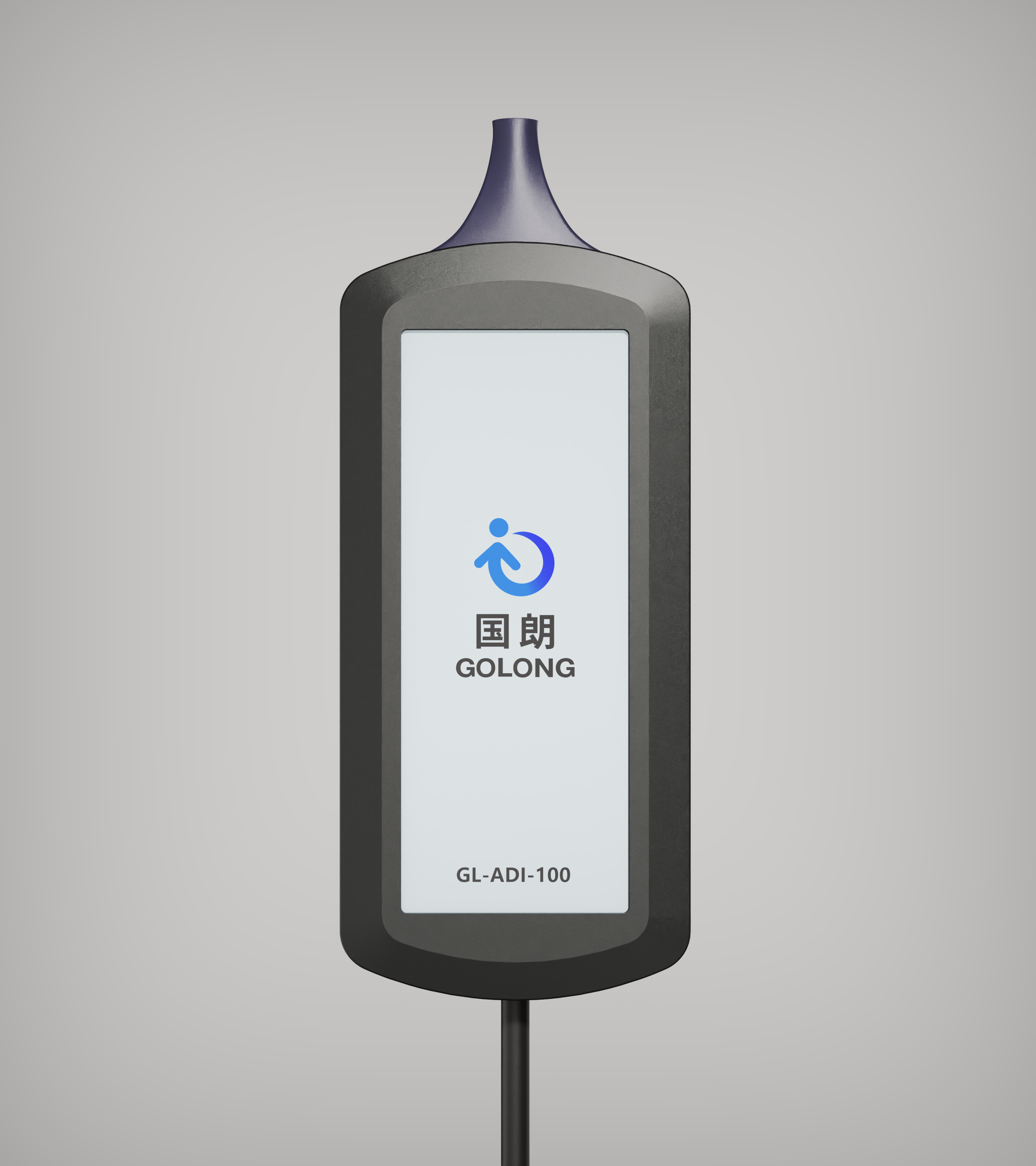
Driver
- Onboard Alcohol Detection Before Shifts
- Shift Change Alcohol Detection
- Real-Time Data Upload
- Abnormal Alert Notifications
- Device Management & Information Query
GL Saas System Service Platform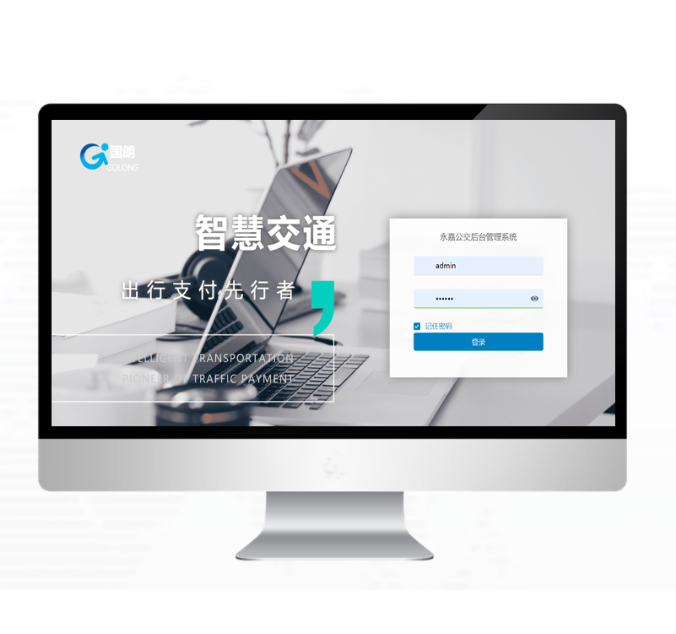
- Before the driver's shift, the scheduling system sends the daily on-duty driver information to the terminal.
- Drivers check in through face recognition, palm vein recognition, or employee cards on the terminal.
- After check-in, drivers undergo alcohol testing using the alcohol detection device connected to the terminal.
- Following the alcohol test, the onboard terminal sends the driver's testing status to the backend server.
- The backend web server stores the test results. If any anomalies are detected, it triggers an alert.
- The terminal becomes operational only after the alcohol test is passed.
- All check-in and alcohol testing data are uploaded to the backend, including company information, route information, bus information, driver information, check-in time, and testing time.
- The platform supports querying data and exporting reports based on dimensions such as employee card number, check-in time, and alcohol test results.