

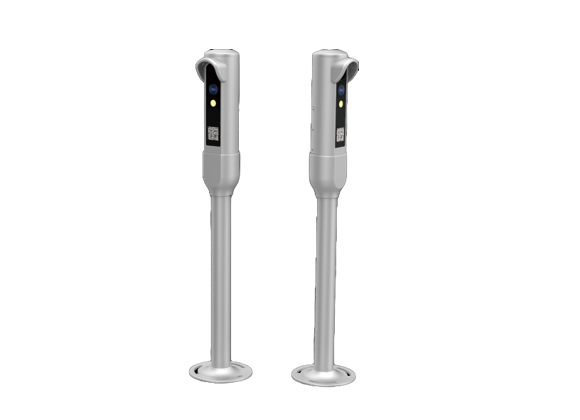
Parking tickets, especially those from parking meters, can be a significant and recurrent expense for drivers. In urban settings, where parking regulations are stringently enforced, understanding how to avoid such penalties is essential. This article offers comprehensive insights into strategies to prevent parking meter tickets, drawing from various aspects of parking management and urban traffic regulations.
Understanding the Financial Impact of Parking Tickets
● Average Ticket Costs in Major Cities
Parking ticket costs vary notably across different cities, reflecting the economic status and local governance priorities. For instance, in New York City, the average parking ticket can cost between $45 and $115. In contrast, cities like Los Angeles have an average ticket cost of around $63. The severity of the violation can further escalate fines, particularly in major cities known for heavy traffic and limited space.
● Consequences of Repeated Violations
Repeated parking offenses not only lead to cumulative fines but can also have broader consequences. In some cities, an accumulation of unpaid fines can result in vehicle immobilization or even towing. This not only adds to your expenses but can also disrupt your day and create legal headaches. Therefore, understanding and respecting parking regulations is crucial to avoiding these pitfalls.
Top U.S. Cities with High Parking Penalties
● Cities Notorious for Steep Fines
Cities like Chicago, Washington, D.C., and San Francisco are known for their high parking fines. These cities have implemented stringent parking enforcement practices due to high vehicle density and limited parking availability. In Chicago, for instance, fines can range from $50 to $200, with higher penalties for violations in restricted areas.
● Common Parking Violations and Their Costs
Common violations include parking in no-parking zones, obstructing traffic, and ignoring metered parking time limits. In Washington, D.C., fines can reach up to $300 for obstructing fire hydrants or no-standing zones. Recognizing the high-cost violations can help drivers be more vigilant and avoid unnecessary tickets.
Reading and Understanding Parking Signs
● Key Types of Parking Signs to Be Aware Of
Street signs are critical in dictating parking behavior. Drivers should be familiar with standard signs indicating no-parking zones, time limits, and street cleaning schedules. Signs are usually placed conspicuously, but it's the driver's responsibility to look out for them and comply accordingly.
● Importance of Checking for Temporary Restrictions
Temporary parking restrictions can occur due to construction, events, or street cleaning. These are often marked by portable signs or notices on existing signs. Staying informed about these temporary changes can prevent surprise fines and ensure compliance with transient rules.
Utilizing Technology to Avoid Parking Fines
● Benefits of Parking Apps for Finding and Paying for Parking
The advent of smart technology has made managing parking easier through mobile applications. Apps like ParkMobile and SpotHero allow users to locate available parking, pay meters remotely, and even get reminders when their parking time is about to expire. These features significantly enhance convenience and reduce the risk of incurring fines due to expired meters.
● Setting Reminders and Alarms to Monitor Parking Time
In addition to using apps, setting alarms or reminders on your phone to alert you when your parking session is nearing its end is a practical method to avoid overstaying. This simple step can save you from costly fines and ensure you move your vehicle on time.
Identifying and Avoiding Restricted Zones
● Common Restricted Areas Like Bus Stops and Loading Zones
Restricted parking zones are often well-marked and include areas like bus stops, fire lanes, and loading zones. Parking in these areas can lead to severe penalties, including towing. Understanding the layout of these zones and their indications can help avoid unintentional violations.
● Legal Implications of Parking in Fire Lanes and Hydrant Areas
Fire lanes and hydrant areas are critical safety zones, and parking in them can hinder emergency services. The fines for such violations are typically high, reflecting the potential safety risks involved. Being aware of these zones and strictly avoiding parking in them is essential for legal compliance and community safety.
Effective Use of Parking Meters and Mobile Payments
● Tips for Keeping Your Meter Paid
One of the simplest yet most effective ways to avoid parking fines is to keep your meter paid. Frequent checks and timely renewals of your parking meter status can prevent unnecessary fines. Understand the rules specific to the parking meter manufacturer and any wholesale parking meter ticket policies that might apply in certain areas.
● Extending Parking Time Using Mobile Applications
Many cities now offer the option to extend parking time using mobile apps. This feature is particularly beneficial if you're delayed in returning to your vehicle. Ensure that you are familiar with these apps and utilize them to maintain compliance with parking time limits.
Benefits of Parking in Designated Lots or Garages
● Comparing Costs of Street vs. Garage Parking
While garage parking may seem more expensive upfront, it's often a safer financial bet compared to street parking, especially in areas with high enforcement rates. The peace of mind knowing your vehicle is secure and not at risk of tickets can be worth the extra expense.
● Safety and Convenience of Designated Parking Areas
Designated parking areas reduce the stress of finding a spot and typically offer better security. These lots often have cameras and attendants, reducing the risk of vehicle damage and theft. The convenience and safety provided by these facilities make them a worthwhile option for avoiding tickets.
The Importance of Curb Colors and Their Meanings
● Common Curb Color Codes and Associated Restrictions
Different curb colors represent varied parking regulations. For instance, red curbs typically indicate no parking, yellow curbs may denote loading zones, and blue curbs often reserve spaces for handicapped parking. Familiarity with these codes can help drivers avoid inadvertent violations.
● Avoiding Fines by Noticing Curb Color Changes
Curb color changes can be subtle but signify important regulatory differences. Always be vigilant and take note of the curb color when parking. This attention to detail can help you navigate parking rules more effectively and avoid costly mistakes.
Proper Vehicle Alignment in Parking Spaces
● Best Practices for Ensuring Accurate Parking
Proper alignment within parking spaces is crucial. Ensure that your vehicle is within the designated lines and not encroaching on adjacent spaces or pathways. This practice not only prevents fines but also fosters goodwill among fellow drivers.
● Avoiding Penalties for Obstructing Driveways or Walkways
Blocking driveways or pedestrian walkways can lead to fines and towing. Always check your vehicle's position after parking to ensure it's not obstructing access. Keeping clear of these areas maintains safety and respects pedestrian rights.
Steps to Take If You Receive a Parking Ticket
● Procedures for Paying Fines Promptly
If you do receive a parking ticket, addressing it promptly can save you from increased fines or legal actions. Many cities offer a grace period for reduced payment amounts if settled quickly.
● How to Contest a Parking Ticket and Attend Hearings
If you believe the ticket was issued in error, it is within your rights to contest it. Gather evidence like photos or receipts and follow the local procedures for dispute. Attending a hearing with all necessary documentation can help resolve the issue amicably.
Conclusion
Avoiding parking meter tickets requires awareness, technology utilization, and careful observation of parking regulations. With fines varying across cities and increasingly sophisticated enforcement measures, understanding these strategies is vital for avoiding costly mistakes and ensuring smooth urban navigation.
● Company Profile
Founded in 2015, Hangzhou Golong Technology Co., Ltd. is a leader in the development of public transportation payment aggregation systems, specializing in Internet intelligent big data products and services. Golong excels in Internet of Things, face recognition, travel payment, digital currency, and software and hardware development, providing innovative solutions for smoother urban transportation systems.
