

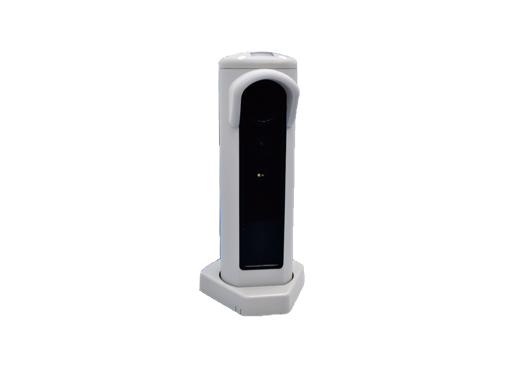
Tired of circling the lot, waving tickets like a confused traffic cone, and begging the front desk for validation stamps that never quite stick? Cloud parking chaos turns simple visits into epic quests for the elusive “validated” status.
Switch to a cloud-based parking validation system that automates approvals, tracks usage in real time, and reduces errors. Studies show digital parking management cuts admin costs and boosts efficiency (McKinsey smart parking report).
1. 🛰️ Overview of Cloud Based Parking Validation Machine System Functions
Cloud based parking validation systems connect on‑site terminals with a central platform. Operators manage discounts, time credits, and payment rules in real time from any location.
This approach cuts manual work, reduces ticket fraud, and speeds up vehicle flow. It also gives clear data on occupancy, stay time, and revenue trends.
1.1 Real‑Time Validation and Discounts
The system applies validation rules instantly when staff or partner stores scan tickets, plates, or QR codes.
- Time‑based discounts (first hour free)
- Percentage or fixed‑amount coupons
- Partner or staff rate plans
1.2 Multi‑Channel Payment Integration
Cloud validation works with on‑site pay stations, mobile apps, and online portals to give drivers simple, fast payment choices.
- Card, QR wallet, and cash options
- Prepay and post‑pay support
- Links to Parking Scenario Payment Terminal devices
1.3 Analytics for Occupancy and Revenue
Operators track key metrics and adjust tariffs or validation rules for better turnover and profit.
| Metric | Use Case |
|---|---|
| Average stay | Optimize free time rules |
| Peak hours | Dynamic pricing setup |
| Validation usage | Measure store campaigns |
1.4 Integration with Transport and Fare Systems
Cloud validation can align with bus, metro, or campus payment tools for seamless mobility.
- Shared user accounts and wallets
- Links to Bus Farebox System Manufacturer | Intelligent Farebox Terminal solutions
- Unified reports across parking and transport
2. 🧩 Core Components and Network Architecture for Reliable Parking Validation
A stable cloud parking validation solution connects edge devices, gateways, and cloud services over secure networks. Strong design improves uptime and lowers maintenance visits.
Key parts include validation terminals, payment machines, license plate recognition, routers, and cloud servers with APIs for third‑party tools.
2.1 Main Hardware Components
On‑site hardware captures vehicle data and issues or validates tickets.
| Component | Role |
|---|---|
| Validation terminal | Applies rules and prints receipts |
| Entry/exit controller | Opens barriers and logs time |
| Payment station | Collects fees, applies validations |
2.2 Cloud Platform and APIs
The cloud platform stores rules, user accounts, and logs, then exposes APIs for apps and partner systems.
- Central rule engine
- REST APIs for apps and POS
- Role‑based admin portal
2.3 Network Topology and Redundancy
Devices connect via LAN to secure gateways, then to the cloud through VPN or encrypted links.
- Dual WAN or 4G/5G backup
- Automatic offline ticket caching
- Heartbeat checks between cloud and site
2.4 Sample Data Flow and Performance
Operators can analyze request volumes and success rates to size bandwidth and servers correctly.
3. 🔐 Data Security, User Permissions, and Compliance in Cloud Validation
Modern parking validation systems must protect personal data, control staff access, and follow local privacy rules without slowing daily work.
3.1 Encryption and Secure Communication
The platform encrypts data in transit and at rest to protect license plates, payments, and user accounts.
- HTTPS/TLS for all device links
- Encrypted databases and backups
- Key rotation policies
3.2 Role‑Based Access Control (RBAC)
Different users see only what they need, lowering the risk of errors or abuse.
| Role | Main Rights |
|---|---|
| Cashier | Apply validations, view tickets |
| Manager | Change rules, view reports |
| IT admin | Device, network, and user setup |
3.3 Compliance and Audit Trails
The system keeps logs of logins, rule changes, and validation actions to support audits and local data laws.
- Time‑stamped event history
- Exportable reports for auditors
- Configurable data retention periods
4. ⚙️ Step‑by‑Step Setup and Configuration Using Golong Cloud Platform
Deploying a cloud validation system with Golong involves device registration, rule design, payment setup, and live testing before launch.
4.1 Prepare Hardware and Network
Install validation machines, cameras, and payment stations, then connect them to a secure, monitored network.
- Place terminals near store exits
- Test LAN and internet links
- Apply firewall and VPN rules
4.2 Configure Rules, Tariffs, and Integrations
Use the Golong portal to set tariffs, free periods, and partner validations.
| Task | Description |
|---|---|
| Create tariffs | Define base hourly and daily caps |
| Set validation types | Time, value, or full discount |
| Enable devices | Map terminals to zones |
4.3 Test, Train, and Go Live
Run test tickets, train staff, and monitor logs closely during the first days of operation.
- Simulate entry, validation, and exit
- Provide quick guides for staff
- Review early feedback and adjust rules
5. 📊 Daily Operations, Monitoring, and Performance Optimization Best Practices
Active monitoring and simple routines keep cloud validation machines stable, fast, and friendly for drivers and staff.
5.1 Daily Checks and Alerts
Use dashboards and alerts to track device status, error codes, and payment failures.
- Check online/offline status
- Monitor cash and receipt paper levels
- Set SMS or email alerts for faults
5.2 Performance and Cost Optimization
Analyze reports to tune tariffs, validations, and staffing.
| Area | Optimization Action |
|---|---|
| Low occupancy | Increase free time or coupons |
| Long queues | Add terminals or adjust exits |
| High costs | Review cloud and network plans |
5.3 Preventive Maintenance and Upgrades
Plan firmware updates and hardware care to extend device life and reduce downtime.
- Schedule regular cleaning of scanners
- Apply tested software updates
- Use robust devices like the Smart coin box for full face payment on public transportation
Conclusion
Cloud based parking validation systems help operators control discounts, improve driver experience, and gain useful data. With the right network, security, and rules, sites stay reliable.
By using clear dashboards, strong hardware, and smart pricing, you can keep traffic flowing, protect revenue, and support long‑term growth of your parking business.
Frequently Asked Questions about parking validation machine
1. What is a cloud based parking validation machine?
It is a networked device that connects to a cloud platform to apply parking discounts, time credits, or free stays in real time.
2. Can it work if the internet goes down?
Most systems cache tickets and rules locally. They keep basic functions running, then sync all data with the cloud when the link returns.
3. How long does setup usually take?
Small sites can go live within a few days after hardware installation and rule setup. Large, multi‑site projects may take several weeks.
4. Is customer data safe in a cloud parking system?
Yes, when the provider uses encryption, role‑based access, and clear data retention rules that follow local privacy laws and standards.