

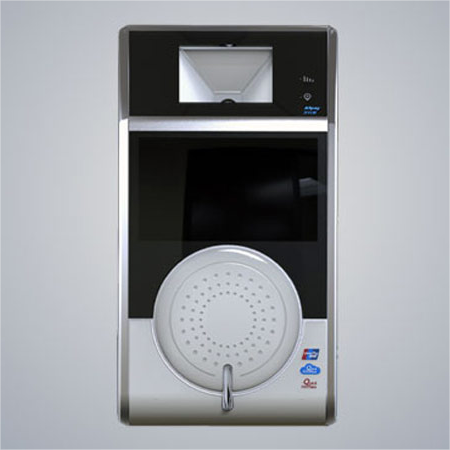
You know that awkward shuffle at mall exits? Drivers digging for wrinkled tickets, cashiers squinting at barcodes, and a line of honking impatience behind—proof your parking ticket validator might be more drama than device.
Choose a validator that scans fast, links smoothly with payment systems, and tracks usage data—so lines move, customers relax, and staff stop firefighting. Use trusted benchmarks from reports like the U.S. ITS parking technology overview to compare options and avoid costly mistakes.
🚗 Understanding Parking Ticket Validators and Their Role in Mall Operations
Choosing the right parking ticket validator keeps traffic flowing, cuts queues, and improves shopper satisfaction. A smart validator also reduces fraud, staffing needs, and revenue loss.
For malls, validators connect parking, payments, and loyalty programs into one smooth system that supports long stays, repeat visits, and better spending per customer.
1. What Is a Parking Ticket Validator?
A parking ticket validator reads a ticket or code, checks parking rules, and calculates the fee or discount before payment and exit.
- Reads barcodes, QR codes, or RFID
- Connects to central parking software
- Applies coupons or free hours
- Triggers gate opening after payment
2. How Validators Support Mall Operations
Validators help your team manage peak hours, tenant discounts, and promotions without heavy manual work or complex paper processes.
- Shorter queues at exits and pay stations
- Clear records for finance and audits
- Easy setup of tenant validation rules
- Better customer experience and return visits
3. Links With Smart Transit and Retail Devices
Modern validators share core tech with transport and retail payment tools, making them easier to integrate and scale across sites.
- Face, QR, NFC, and card support, like the Purple bus facial recognition all-in-one machine-supports QR code scanning & NFC payment
- Shared cloud platforms and APIs
- Unified reporting for multiple properties
4. Security and Compliance Role
Validators help you control access, protect payment data, and track vehicle use to meet legal and brand standards.
| Area | Validator Support |
|---|---|
| Data security | Encrypted communication to servers |
| Fraud control | Ticket authentication and duplicate checks |
| Compliance | Logs for audits and dispute handling |
🧠 Key Features a Reliable Parking Ticket Validator Must Include
Look for simple, fast, and robust validators that handle multiple payment methods, work with your software, and survive heavy daily use.
Focus on core functions first, then check advanced tools like analytics, loyalty links, and remote device monitoring.
1. Multi-Method Validation and Payment
A strong validator reads many media types and supports different payment paths so guests choose what suits them best.
- Barcode and QR ticket reading
- NFC, EMV cards, and mobile wallets
- Staff or tenant override options
2. User-Friendly Interface and Accessibility
A clear screen, simple steps, and good lighting keep lines moving and help all visitors, including seniors and tourists.
| Element | Benefit |
|---|---|
| Large buttons | Reduces user error |
| Multi-language prompts | Helps foreign visitors |
| Audio guidance | Supports low-vision users |
3. Durability and Environmental Resistance
Outdoor mall car parks need rugged devices that handle heat, dust, moisture, and constant use with minimal downtime.
- IP-rated casings and vandal-resistant design
- Wide operating temperature range
- Long-life components and simple parts replacement
4. Data and Performance Insights (with ECharts Bar Chart)
Choose validators that send live data on usage, errors, and transaction times so you can adjust staffing and pricing fast.
📏 Matching Validator Capacity and Speed to Your Mall’s Traffic Volume
Size your validators for peak weekend and holiday loads, not just average days, to avoid exit jams and complaints.
Use data from entry gates, POS, and past seasons to guide how many units you need and where to place them.
1. Estimating Peak Hour Demand
Measure the highest cars-per-hour and set a target service time per ticket to define needed validator throughput.
- Use at least three months of traffic data
- Plan extra for special events and sales
2. Choosing the Right Number of Validators
Balance budget and convenience. A few fast devices often beat many slow, confusing units.
| Peak Cars/Hour | Suggested Validators |
|---|---|
| Up to 400 | 2–3 high-speed units |
| 400–800 | 3–5 units, near key exits |
| 800+ | 5+ units and mobile pay options |
3. Speed Optimization Tips
Reduce steps on-screen and clearly sign where to validate tickets so guests finish in seconds, not minutes.
- Place validators before elevators and mall exits
- Use simple, consistent on-screen workflows
- Monitor average transaction time and tune settings
🔄 Integration With Existing Access Control and Payment Systems Like Golong
Seamless integration lets your mall share data between gates, pay stations, tenant systems, and loyalty tools.
Pick validators that support open standards, clear APIs, and proven links with parking and retail software.
1. Working With Existing Gate and Ticket Systems
Your new validators must speak the same “language” as current barriers, ticket printers, and back-office software.
- Support for your ticket format (QR, barcode, RFID)
- Real-time status sync with gates
2. Payment Gateway and Wallet Integration
Support the cards and wallets your guests trust to speed up payments and increase completed transactions.
| Method | Value |
|---|---|
| EMV cards | Core support for most shoppers |
| Mobile wallets | Faster taps, less contact |
| NFC/QR | Links parking with transit and retail |
3. Leveraging Golong Ecosystem Devices
Golong’s validators and fareboxes give malls access to proven transit-grade tech and flexible OEM options for parking.
- Adapt powerful units like WHOLESALE SMART HIGH QUALITY BUS VALIDATOR A105 for high-traffic parking zones
- Use Custom Bus Farebox Manufacturer for OEM Solutions expertise to design branded mall parking hardware
🛠 Maintenance, Support, and Long-Term Reliability Considerations With Golong Validators
Long-term reliability matters more than flashy features. Plan for service, parts, and software updates from day one.
Choose partners who offer strong remote monitoring, fast support, and clear upgrade paths.
1. Routine Maintenance and Remote Monitoring
Remote health checks and alerts let your team solve issues before they disrupt shoppers or queues.
- Live device status dashboards
- Automatic error alerts to technicians
2. Service-Level Agreements and Training
Lock in response times and staff training so in-house teams can handle basic fixes and reduce downtime.
| Area | What to Define |
|---|---|
| Response time | Maximum hours to start support |
| Spare parts | On-site or fast-shipped stock |
| Training | Sessions for operators and security |
3. Future-Proofing and Software Updates
Pick validators that can gain new payment types and rules with easy updates, not costly hardware swaps.
- Regular firmware and security patches
- Simple adding of new payment options
- Scalable cloud or server integration
Conclusion
To choose a parking ticket validator for malls, focus on speed, reliability, and easy integration. Match capacity to true peak demand, not averages.
Prioritize open systems, strong maintenance plans, and clear analytics. This protects revenue, keeps traffic moving, and creates a smooth, modern experience for every visitor.
Frequently Asked Questions about validate a parking ticket
1. How do I validate a parking ticket in a mall?
Usually you insert or scan your ticket at a validator near elevators, exits, or the pay station, then pay any fee before driving to the exit gate.
2. Where are parking ticket validators usually located?
Malls place validators near main entrances, elevator lobbies, cinema entrances, and payment kiosks so visitors can validate before reaching the exit barrier.
3. Can I validate a parking ticket with my phone?
In many modern systems you can. Some tickets include a QR code for mobile payment, or offer app-based validation linked to your license plate.
4. What happens if I forget to validate my ticket?
At the exit, the gate may stay closed or charge the full rate. You usually must go back to a pay station or customer service to validate.
5. Do validators support discounts and free parking hours?
Yes. Validators can apply tenant or promotion rules, such as two free hours with a purchase, by reading barcodes, QR codes, or linked loyalty accounts.