

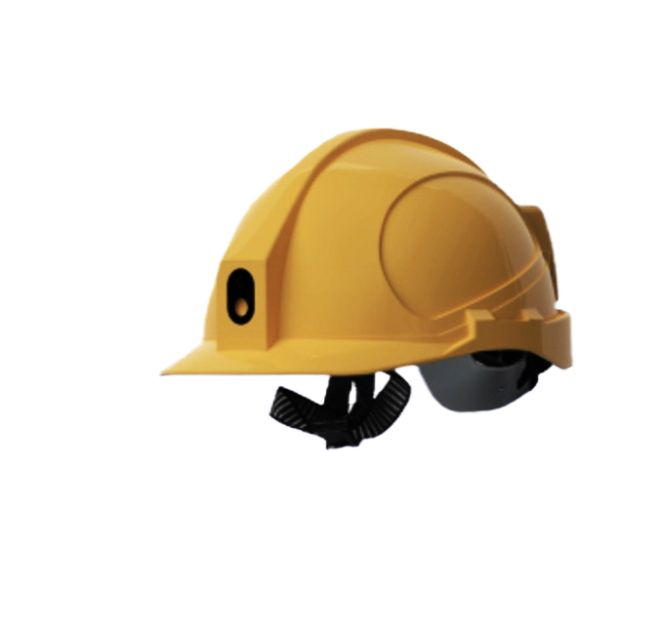
Picking mining helmets shouldn’t feel like choosing a superhero costume while guessing which one actually stops falling rocks. Yet here you are, squinting at labels, hoping “impact resistant” means more than “looks tough.”
To fix this, focus on certified impact protection, electrical resistance, and proper fit; choose helmets that meet or exceed standards like those in this OSHA head protection guide so workers stay safe and comfortable.
🛡️ Understanding Mining and Heavy Industry Helmet Safety Standards and Certifications
Choosing safety helmets for mining and heavy industry starts with knowing the standards. Clear labels and valid certifications prove the helmet can handle harsh, high‑risk sites.
Always confirm local and international rules. Check test dates, manufacturer details, and classes to be sure the helmet is still approved for tough field conditions.
1. Major Global Standards (ANSI, EN, ISO)
Key mining and heavy industry helmets follow ANSI/ISEA Z89.1, EN 397, EN 12492, and ISO rules. These set impact, penetration, and electrical test levels.
- ANSI/ISEA Z89.1: US industrial helmet standard
- EN 397: Basic industry helmets in many regions
- EN 12492: Climbing‑style and chinstrap tests
- ISO 3873: International reference for hard hats
2. Helmet Types and Classes
Helmet type and class show how it protects. For mining and plants, you often need both impact and electrical protection in one compact shell.
| Class | Protection Focus |
|---|---|
| Class G | General impact, limited voltage |
| Class E | High voltage plus impact |
| Class C | Ventilation, no electrical |
3. Certification Labels and Markings
Read the inside shell and suspension labels. They should show standard codes, class, size range, manufacturing date, and clear manufacturer identification marks.
- Standard and class code (for example, ANSI Z89.1‑Class E)
- Production date and batch number
- Size range and adjustment type
4. When to Re‑Certify or Replace
Harsh use, UV light, and chemical exposure weaken helmets. Follow manufacturer limits and replace units after strong impacts, deep cracks, or expired dates.
- Replace after any serious hit or visible damage
- Follow 3–5 year shell life guidance
- Inspect before every shift
⛏️ Key Impact, Penetration, and Electrical Protection Requirements for Helmets
Mining and heavy industry helmets must handle falling rocks, side blows, sharp tools, and stray voltage. Balanced impact and electrical defense keep workers safer underground and on site.
Use data from tests and field incidents to choose higher‑class helmets where loads, heights, and energized equipment increase serious injury risk.
1. Impact Resistance Performance
Impact tests measure how much force reaches the head from falling objects. Strong shells and well‑tuned suspensions spread energy and reduce peak acceleration values.
2. Penetration and Sharp Object Protection
Penetration tests use pointed strikers to copy tools and rock fragments. Strong crowns and internal liners stop sharp objects from breaking through under normal use.
- Reinforced crown zones
- Shock‑absorbing foam or ribs
- Avoid deep gouges; replace damaged shells
3. Electrical Insulation Levels
Where live equipment exists, select Class G or E helmets. These resist defined AC voltages and help protect workers from accidental contact and arcing.
| Class | Test Voltage (AC) |
|---|---|
| G | Up to 2,200 V |
| E | Up to 20,000 V |
| C | No electrical rating |
4. Side, Rear, and Chinstrap Performance
Modern mining helmets support side and rear impact tests and strong chinstraps. These improve stability on slopes, in vehicles, and during sudden movements.
- Four‑point or six‑point suspension
- Chinstraps that release safely under high load
- Extended coverage for lateral impacts
⚙️ Choosing Helmet Materials and Designs for Specific Industrial Work Environments
Helmet materials must match site risks. Heat, chemicals, electrical work, and confined spaces all need specific shells, liners, and design features.
Balance strength, weight, and comfort. Lighter helmets reduce fatigue and improve long‑term wear, raising real protection levels on shift.
1. Shell Materials and Heat Resistance
ABS and HDPE suit general work, while fiberglass and high‑temperature blends handle hot steel, smelters, and power plants with better thermal stability.
- HDPE: light, cost‑effective, good for general sites
- ABS: stronger, better impact resistance
- Fiberglass: high heat and chemical resistance
2. Ventilation, Brims, and Weight
Underground and hot plants benefit from vents and sweat‑wicking pads. Wide brims protect from falling debris, rain, and direct sun on open pits.
| Design | Best Use |
|---|---|
| Cap style | Confined spaces, standard plants |
| Full brim | Open pits, outdoor maintenance |
| Vented | Hot, non‑electrical zones |
3. Smart Helmets and Connected Features
Smart helmets enhance safety with cameras, sensors, and live links. A 4G/5G Smart Safety Helmet with Advanced Communication Technology supports instant alerts, video, and data from deep mines or remote yards.
👷 Proper Helmet Fit, Adjustment, and Compatibility With Other Protective Equipment
Correct fit is vital. Even strong helmets fail if they sit too high, too loose, or tilt when the worker moves or bends.
Adjust systems at the start of each shift. Check fit with earmuffs, visors, masks, and lights to avoid unsafe gaps or pressure points.
1. Sizing and Suspension Adjustment
Use helmets with clear size ranges and easy dial or pin‑lock suspensions. The band should sit low and level around the head.
- Measure head circumference before issue
- Use dial systems for fast, glove‑friendly changes
- Keep two‑finger space above eyebrows
2. Chinstraps and Stability
Mining sites and high platforms need chinstraps. They stop helmets from dropping during slips, climbing, and vehicle vibration in rough terrain.
| Feature | Benefit |
|---|---|
| Four‑point strap | Better stability on slopes |
| Quick buckle | Fast release in emergencies |
| Soft webbing | Higher comfort, less chafing |
3. Compatibility With PPE and Devices
Check slot types and rails for earmuffs, face shields, lamps, gas sensors, and even an Alcohol Tester in safety checks, so all equipment works together.
🏭 Why Golong Safety Helmets Suit Demanding Mining and Heavy Industry Conditions
Golong designs helmets for hard daily use in mines, quarries, refineries, and heavy plants, adding strong shells, smart tech, and reliable comfort systems.
Integrating helmets with site power, charging, and monitoring tools supports modern, data‑driven safety programs across large fleets and remote operations.
1. Durable Structures for Harsh Sites
Golong helmets use impact‑resistant shells and stable suspensions tested for rough handling, vibration, and long wear in dusty, wet, or corrosive areas.
- Reinforced crowns and side zones
- Sweat‑resistant pads for long shifts
- Options for high‑temperature environments
2. Smart Integration and Communication
Smart Golong models support real‑time links, video, and sensor data, making them ideal for control rooms that manage large, deep, or scattered sites.
| Smart Feature | Safety Benefit |
|---|---|
| Live communication | Faster response to incidents |
| Location tracking | Better rescue and mustering |
| Condition monitoring | Early risk detection |
3. System‑Level Safety With Golong Solutions
Paired with site devices like the SMART DC EV CHARGER, Golong helmets support safer, more efficient fleets, especially where electric vehicles operate around heavy mining equipment.
Conclusion
Mining and heavy industry demand helmets with strong standards, right materials, and smart, comfortable designs. Proper fit, daily checks, and clear replacement rules keep real protection high.
By choosing certified, well‑matched helmets and integrating them with connected site systems, safety teams can lower head injuries and improve response across tough operations.
Frequently Asked Questions about Safety Helmet
1. How often should I replace a safety helmet?
Most manufacturers advise replacing helmets every 3–5 years, or immediately after a strong impact, deep crack, melt, or heavy chemical exposure.
2. Can I drill holes in my helmet for extra ventilation?
No. Drilling or modifying the shell weakens it and cancels certification. Instead, choose a certified vented model designed for hot conditions.
3. How do I know if my helmet is suitable for electrical work?
Check the inside label for Class G or Class E and the relevant standard. If it shows Class C or no class, do not use it near live parts.