

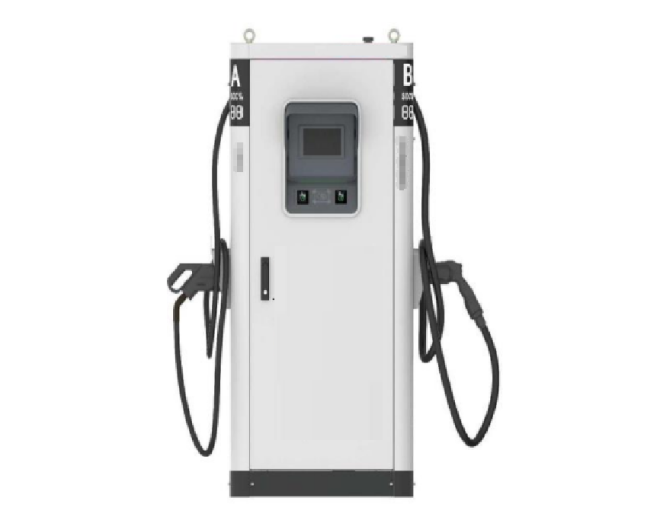
Introduction to EV Charging Habits
In recent years, electric vehicles (EVs) have emerged as a transformative solution to the global dependency on fossil fuels, offering an eco-friendly alternative to traditional gasoline-powered cars. As EV adoption accelerates, the conversation around best charging practices becomes pivotal. One of the most common queries from new EV owners is whether they should charge their vehicles to 100% every night. This decision impacts not just convenience but also the longevity of the vehicle's battery. In this comprehensive discussion, we explore the dynamics of EV charging habits, with a particular focus on the implications of regular full charging.
Impact of Charging to 100% Every Night
Charging an EV to 100% each night seems like a logical step for ensuring maximum range and preparedness for any journey. However, it's important to understand that each charge cycle contributes to battery degradation over time. Lithium-ion batteries, which are the standard in most EVs, have a finite number of charge cycles they can endure before their performance starts to decline. Consistently charging to full capacity can accelerate this degradation process, potentially shortening the battery’s useful life.
Additionally, full charging at frequent intervals can contribute to thermal stress, another factor that diminishes battery health. Manufacturers of charging piles, including wholesale charging pile suppliers, emphasize the importance of understanding these dynamics to optimize battery longevity. A nuanced approach to charging, rather than a blanket policy of full charges every night, is often recommended.
Determining Your Charging Frequency
The frequency with which you should charge your EV is influenced by several factors, primarily your daily driving habits and mileage. For instance, if your daily commute covers a modest distance, it may not be necessary to top up to 100% each night. Evaluating your driving needs helps determine an optimal charging schedule that balances battery health with convenience.
For those who use their EVs more sporadically, or travel shorter distances, charging every few days might suffice. On the other hand, drivers covering longer distances daily may find a nightly charge necessary. Charging pile manufacturers provide various charging solutions to suit different needs, and consulting with a reliable charging pile supplier can offer insights tailored to specific usage patterns.
Benefits of Partial Charging
Partial charging is a practice that involves charging the battery only up to a certain percentage that is less than full, typically around 80-90%. This approach can significantly extend the lifespan of an EV battery by reducing the accumulation of degradation effects related to repeated full charge cycles.
Moreover, partial charging prevents the battery from operating at maximum voltage levels, which can lead to chemical reactions that degrade the battery over time. This practice is especially viable when paired with smart charging technologies supplied by charging pile factories, which can automate and optimize the charging process to suit individual needs. Wholesale charging pile options often include features facilitating this optimized approach.
Variables Affecting Charging Decisions
EV charging is not a one-size-fits-all proposition, and several external variables can influence when and how much you should charge your vehicle. Weather conditions, particularly extreme cold, can adversely affect battery efficiency. During such times, a full charge might be necessary to ensure the vehicle maintains optimal performance.
Furthermore, in regions prone to power outages, maintaining a fully charged battery can serve as a backup power source, provided the correct setup is available. It's crucial to weigh these considerations and adjust your charging strategy accordingly. Charging pile suppliers offer adaptable solutions that ease these adjustments, ensuring flexibility and readiness in various scenarios.
Home vs. Public Charging Options
The convenience of charging at home versus using public charging stations is another crucial consideration. Home charging provides the comfort of overnight charging, where the vehicle can be plugged in and left to charge at a controlled pace. This option is often less expensive and more efficient, as it allows for consistent monitoring of charging schedules and habits.
Public charging stations, especially fast-chargers, offer rapid charging solutions for on-the-go needs. However, habitual reliance on fast charging can be detrimental to battery longevity due to the higher charge rates which can heat up the battery. Charging pile manufacturers produce equipment suited for both settings, ensuring that EV owners have access to the tools necessary to maintain their vehicles efficiently.
Technological Advancements in EV Batteries
Advancements in battery technology are continuously being made, aimed at enhancing longevity, capacity, and overall efficiency. New battery chemistries, for instance, promise reduced degradation rates and improved performance across a range of charging levels.
These developments have a direct impact on charging habits, as emerging technologies might enable more frequent full charges without the corresponding detrimental effects seen today. Charging pile factories are at the forefront of these advancements, providing cutting-edge solutions that integrate seamlessly with the newest battery technologies.
Environmental and Cost Benefits of EVs
Aside from the technical considerations, the environmental and economic benefits of EVs cannot be overstated. EVs are increasingly seen as pivotal to achieving widespread reductions in emissions, contributing significantly to a cleaner environment. Combined with the cost savings on fuel and maintenance, electric vehicles offer a compelling case for broad adoption.
The role of efficient charging infrastructure, provided by companies specializing in charging piles, is crucial in enabling these benefits. By ensuring that EVs are charged in ways that maximize their lifespan and efficiency, these suppliers support the broader push towards a sustainable future.
Community and Support Resources
For EV owners, having access to a robust network of community resources and support mechanisms is important. Organizations and initiatives promoting EV adoption offer valuable information concerning vehicles, charging practices, and financial incentives. These resources can greatly enhance the ownership experience by providing guidance on leveraging the full potential of EVs.
Many charging pile manufacturers and suppliers actively participate in these initiatives, fostering an environment of shared knowledge and innovation. Collaborations between such companies and community organizations facilitate greater awareness and adoption of electric vehicles.
Conclusion: Making Informed Charging Decisions
Ultimately, the decision of whether to charge your EV to 100% every night is a balance between convenience, battery health, and readiness. By understanding the factors at play and consulting with a reputable charging pile supplier, you can craft a charging strategy that aligns with your lifestyle and driving needs.
Adopting smart charging practices not only extends the life of your vehicle's battery but also contributes to the overall efficiency and sustainability of the electric vehicle ecosystem. In this rapidly evolving field, staying informed and adaptable is key to maximizing the advantages of EV ownership.
● Golong Company Introduction
Golong Technology, established in 2015, specializes in public transportation payment aggregation systems. The company excels in developing and applying Internet intelligent big data products and services, maintaining a leading position in fields such as Internet of Things, face recognition, travel payment, digital currency, and more. Golong's innovative approach and commitment to quality have propelled its expansion in domestic and international markets, continuously enhancing global transit systems with advanced payment solutions.
