

Tired of fumbling with coins, cards, and five different transit apps while your bus escapes into the sunset? Smart fare systems promise to rescue your commute before you start charging your coffee cup at the validator.
By unifying payments, using contactless tech, and automating fare capping, these systems cut queues and confusion, while boosting ridership and revenue. According to the International Transport Forum, smart ticketing is now central to modern, user-friendly public transport.
🚆 Contactless, account-based ticketing reshaping daily commuting and fare collection
By 2026, contactless and account-based ticketing will become the default way to pay for public transport, replacing paper tickets and cash across most major cities.
Passengers will tap phones, wearables, bank cards, or biometric devices, while back-end systems calculate the best fare, cap costs, and support integrated mobility services.
1. Growth of biometric and face-based validation
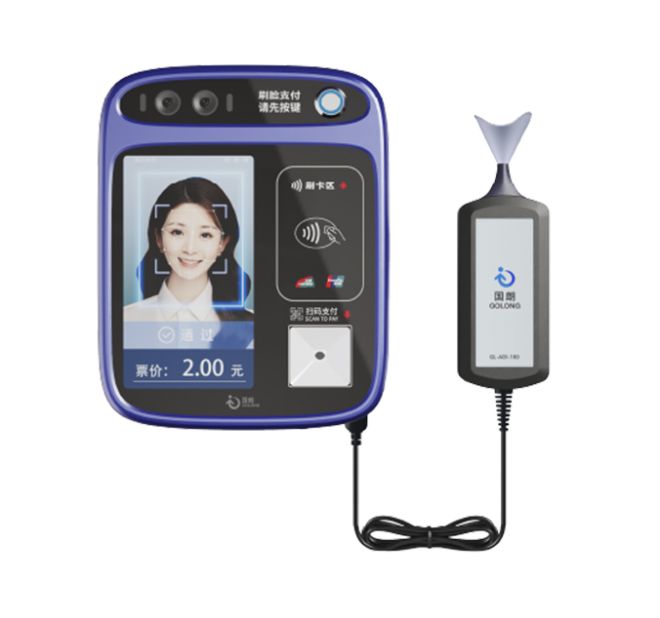
Transit operators will deploy more camera-based validators that link a face template to a rider’s account, reducing queues and fraud while keeping payments frictionless.
- Faster boarding on buses and BRT corridors
- Lower maintenance than magnetic or QR readers
- Supports hands-free access for all riders
Solutions such as the Bus facial recognition all-in-one payment machine + ID card - customized version show how ID cards and biometrics can work together in one unit.
2. Bank card and mobile wallet open-loop expansion
By 2026, more cities will accept EMV contactless cards and wallets directly at gates, allowing visitors to ride without local cards or apps.
- Tap-and-go with no pre-registration
- Automatic fare caps for daily and weekly spend
- Easy support for tourists and business travelers
3. Mobile POS for inspectors and on-demand services
Inspectors and drivers will use portable devices to check tickets, accept contactless payments, and issue receipts on the move.
The Mobile Wireless POS System with Built-In Card Reader enables quick card taps, QR scans, and online checks in buses, shuttles, and pop-up ticket booths.
4. Migration from card-centric to account-based back offices
Account-based systems will store rights and balances in the cloud, not on cards, enabling simple replacement, flexible fares, and multi-operator settlements.
| Feature | Card-Centric | Account-Based |
|---|---|---|
| Balance storage | On card | In back office |
| Media types | Closed card only | Cards, phones, wearables, IDs |
| Fare rules | Fixed, limited | Dynamic, personalized |
📡 Real-time data integration optimizing pricing, validation, and passenger flow management
Smart fare systems will integrate real-time data from validators, gates, buses, and mobile apps, helping agencies control flows, reduce crowding, and adjust ticket prices by demand.
By 2026, data-driven fare policies will support off-peak discounts, congestion pricing, targeted promotions, and more accurate settlement across modes and operators.
1. Live ridership dashboards for operations centers
Control centers will view live boardings by stop, route, and time, then send instant instructions to drivers and dispatch staff for crowd control.
2. Dynamic pricing and fare capping rules
With accurate real-time usage data, agencies will apply simple dynamic rules: lower fares in off-peak hours, time-limited passes, and automatic multi-trip discounts.
- Encourage travel outside rush hours
- Promote weekend and evening ridership
- Protect riders with daily and weekly caps
3. Real-time validation and fraud detection
Systems will cross-check tap patterns in real time to find cloned cards, unusual devices, and repeated risky behavior, then alert staff instantly.
| Signal | Possible Risk |
|---|---|
| Many taps on one card in minutes | Card sharing, cloning |
| Taps in two distant cities quickly | Counterfeit media |
| Offline validators for long periods | Device tampering |
4. Integration with intelligent dispatch and AV fleets
Fare data and vehicle data will merge to support better route planning and driver scheduling, especially as autonomous and on-demand shuttles grow.
An Intelligent dispatch terminal can receive fare data, vehicle health signals, and GPS positions, then guide drivers or AV algorithms to improve service speed and reliability.
🔒 Cybersecurity and privacy enhancements safeguarding rider identities and travel histories
By 2026, smart fare systems will follow stronger security and privacy rules, using encryption, tokenization, and strict access control to protect every rider’s identity and trip record.
1. End-to-end encryption and secure hardware
Agencies will adopt encryption from validator to back office and use certified secure elements in devices to protect keys and sensitive fare data.
- TLS on all online links
- Secure storage of keys in hardware
- Regular firmware signing and checks
2. Privacy-by-design and data minimization
Systems will collect only what is needed for payments, keep data for shorter periods, and allow riders to use anonymous tokens where laws permit.
| Practice | Benefit |
|---|---|
| Shorter data retention | Lower privacy risk |
| Pseudonymous IDs | Less link to real identities |
| Clear consent screens | Better user trust |
3. Compliance with regional laws and standards
Smart fare projects will align with key rules like GDPR-style privacy laws, PCI DSS for payments, and national cybersecurity standards for critical infrastructure.
- Documented data flows and audits
- Vendor security assessments
- Regular penetration tests and red-team work
🌍 Interoperable smart fare systems enabling seamless regional and cross-border travel
Interoperable fare platforms will make it easier to ride across cities, regions, and even borders using one account and consistent, clear pricing rules.
1. Regional mobility-as-a-service (MaaS) bundles
By 2026, riders will buy combined passes that cover rail, bus, bike, scooter, and car-share services inside a single digital wallet or app.
- Simple subscription-like plans
- Shared loyalty programs
- One bill for many operators
2. Cross-border travel with a single token
Border regions will support one token or card that works with different currencies and tax rules, while back-end systems handle conversion and settlements.
| Element | Local Handling | Cross-Border Handling |
|---|---|---|
| Fare currency | Single currency | Automatic conversion |
| Tax rules | Local VAT | Per-country tax logic |
| Settlements | Single operator | Multi-operator clearing |
3. Open standards and APIs for vendors
Interoperability will rely on open APIs, common data formats, and shared security profiles so that new validators, apps, and payment methods can join easily.
- Faster integration of new devices
- Less vendor lock-in
- More innovation in apps and services
📊 Predictive analytics guiding transit planning, revenue strategies, and system upgrades
As data volume grows, agencies will rely on predictive models to plan capacity, shape fares, and schedule upgrades before systems become overloaded.
1. Demand forecasting for routes and timetables
Machine learning models will mix historical taps, events, and weather data to forecast demand and propose timetable changes weeks in advance.
- Identify future peak loads
- Plan extra trains or buses
- Support seasonal route variations
2. Revenue optimization and product design
Analytics will test new pass types, bundles, and discounts in simulation before launch, helping find simple fare products that grow revenue and ridership.
| Scenario | Expected Effect |
|---|---|
| Cheaper off-peak fares | Higher off-peak usage |
| Flexible 10-trip passes | Appeal to hybrid workers |
| Weekend family bundles | More leisure trips |
3. Asset and upgrade planning
Fare data will guide capital plans by revealing where gates, validators, or vehicles fail, and where new stations or lines will bring the biggest impact.
- Prioritize upgrades by usage
- Reduce downtime through early repairs
- Align investments with growth corridors
Conclusion
By 2026, smart fare systems will be more contactless, data-driven, secure, and interoperable, turning fare collection into a powerful mobility platform.
Cities that invest early in account-based ticketing, real-time analytics, and strong privacy will deliver smoother journeys, fairer prices, and more resilient transit networks.
Frequently Asked Questions about smart fare system technology
1. What is an account-based smart fare system?
An account-based system keeps your balance and travel rights in the back office, not on the card or device. You can use different media while keeping the same account.
2. How do contactless payments improve commuting?
Contactless payments reduce queues, speed up boarding, and remove the need for cash. Riders tap phones, cards, or wearables, while the system calculates the correct fare automatically.
3. Are biometric fare systems safe for privacy?
Modern biometric systems can use templates, not raw images, and apply strong encryption. When combined with strict rules and consent, they can protect privacy while adding convenience.
4. How do real-time data and predictive analytics help operators?
They show how many people travel, when, and where. Operators can then adjust timetables, fares, and capacity to reduce crowding and improve revenue stability.
5. Can one smart card work in different cities or countries?
Yes, when agencies adopt shared standards and clearing rules. A single token or account can then support travel in many regions, even with different currencies.