

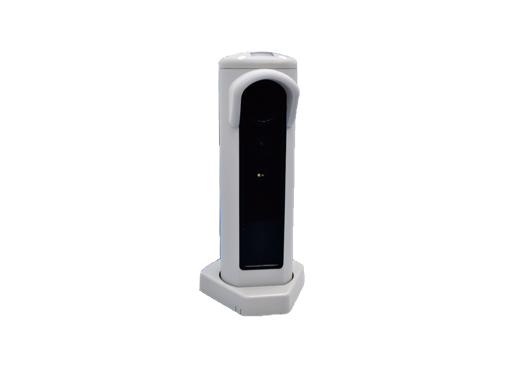
Ever sprinted onto a bus, juggling coffee, bags, and a dying phone, only to battle a stubborn ticket machine that beeps like you’re boarding a spaceship without clearance?
Smart ticket validators fix that chaos with fast taps, simple screens, and reliable scans, cutting queues and errors for riders and operators alike. According to the International Transport Forum, modern fare systems improve efficiency, reduce fraud, and make daily commutes smoother.
🚇 Enhancing Metro Passenger Flow with Smart Ticket Validation Technology
Smart ticket validators speed up gates, cut queues, and give operators real-time data. Metro systems can move more riders smoothly while keeping fare rules clear.
They support QR codes, NFC, cards, and mobile wallets, so passengers tap once and walk through. This reduces stress and improves overall station safety.
1. Fast, Contactless Entry at Metro Gates
Modern validators scan tickets in under a second, reducing crowding at busy stations and supporting safer, touch-free travel.
- Support EMV bank cards, QR codes, and transit cards
- Auto-block invalid or expired tickets
- Clear screen prompts and lights for passengers
2. Seamless Multi-Modal Integration
Smart validators link metro gates, buses, and park-and-ride sites into one fare system, making transfers simple and clear.
| Mode | Validation Type | Benefit |
|---|---|---|
| Metro | Gate validator | Controlled access |
| Bus | Onboard validator | Faster boarding |
| Parking | Barrier / lock | Linked fares |
3. Real-Time Passenger Flow Monitoring
Each tap creates data that shows peak hours, crowded lines, and station bottlenecks. Operators can adjust staff and train headways quickly.
- Live dashboards for station managers
- Alerts for unusual congestion
- Better planning for events and holidays
4. Linking Validators with Smart Devices and Terminals
Metro operators can pair validators with the Unattended Payment Terminal MINI POS to support top-ups and retail payments in stations.
- Self-service balance top-up
- Support for open-loop bank cards
- Less need for ticket office staff
🚌 Improving Bus Boarding Efficiency through Contactless Ticket Validators
Bus smart validators reduce dwell time, help drivers focus on the road, and keep routes on schedule even during busy rush hours.
Passengers tap cards or phones at the door, while systems record accurate boarding times and locations for better planning.
1. Faster Boarding and Shorter Dwell Times
Contactless taps take seconds, cutting door open time and letting buses leave stops more quickly.
| Method | Average Time per Passenger |
|---|---|
| Cash payment | 8–12 seconds |
| Paper ticket check | 5–7 seconds |
| Smart validator tap | 1–2 seconds |
2. E‑Ticket Adoption Trends (Sample Data)
The chart below shows a sample shift from cash to smart validator usage over four years, illustrating why transit agencies upgrade systems.
3. Safer Driving with Integrated Systems
By automating fare checks, drivers can focus on traffic. Linked systems like the ADAS+DMS advanced active safety intelligent assisted driving warning system GL-FD-A100 further improve road safety.
- Less cash handling at the wheel
- Lower conflict with passengers
- Driver fatigue and distraction alerts
4. Flexible Fare Policies on Buses
Smart validators support distance, flat, and time-based fares on the same network, giving agencies room to test new pricing models.
- Automatic cap rules for daily or weekly spend
- Discounts for seniors and students
- Easy to roll out pilots by route or time
🔒 Strengthening Fare Security and Reducing Fraud in Public Transport Systems
Smart ticket validators improve revenue protection by blocking fake tickets, logging every trip, and making inspection easier across metro and bus systems.
1. Secure Validation and Encryption
Each tap runs through strong encryption, so cloned or tampered cards fail checks and do not open gates or log valid rides.
- End-to-end encrypted transactions
- Device certificates and secure keys
- Regular firmware updates over the air
2. Better Inspection and Audit Trails
Complete digital logs help staff review suspect trips, check chargebacks, and prove correct fares were charged.
| Data Logged | Use |
|---|---|
| Tap time | Dispute checks |
| Location / route | Fraud pattern spotting |
| Card ID (tokenized) | Travel history review |
3. Linking Parking and Fare Security
With tools like the Intelligent Flatbed Parking Space Lock, agencies can join parking access to valid tickets, cutting fare evasion in park-and-ride areas.
- Unlock only for valid season ticket users
- Prevent unauthorized space use
- Improve revenue from parking assets
📊 Data-Driven Operations: Using Validator Data to Optimize Routes and Schedules
Every validator tap adds valuable data that helps plan better routes, right-size fleets, and respond to real passenger demand.
1. Identifying Peak Demand by Stop and Time
Analyzing tap volumes by stop and hour helps planners add trips where needed and remove underused runs.
| Stop | Peak Hour | Average Taps |
|---|---|---|
| Central Station | 08:00–09:00 | 1,200 |
| Business Park | 17:00–18:00 | 900 |
2. Improving On-Time Performance
Time stamps from validators show where buses lose time, so schedulers can adjust runtimes and layovers to reduce delays.
- Spot recurring late trips by segment
- Compare planned vs. real travel time
- Refine timetables each season
3. Supporting Long-Term Planning and Investment
Multi-year validator data supports business cases for new lines, extra trains, or bus priority lanes.
- Evidence-based funding requests
- Measure impact of new routes
- Plan depot and fleet expansion
⚙️ Choosing Reliable Smart Validators: Why Golong Fits Metro and Bus Needs
Golong designs validators and related devices to handle high passenger volumes, harsh environments, and complex fare rules with stable, secure performance.
1. Robust Hardware for Public Transport
Validators must survive daily taps, dust, and vibration. Golong devices use industrial-grade components and housings built for stations and buses.
- Wide temperature range support
- Anti-vandal cases and secure mounts
- Stable power and network options
2. Flexible Software and Integration
Open APIs and common standards make it easier to plug Golong validators into existing back-office and third-party payment systems.
| Feature | Benefit |
|---|---|
| Open API | Fast integration |
| Configurable fare rules | Quick policy changes |
| Remote management | Lower maintenance costs |
3. Scalable Solutions for Small and Large Networks
Whether you run a single city bus fleet or a full metro-bus network, Golong validators scale smoothly as demand grows.
- Start with pilot lines, then expand
- Cloud or on-premise back office
- Consistent user experience across modes
Conclusion
Smart ticket validator solutions raise metro and bus efficiency, improve security, and unlock rich data for better planning. Contactless taps speed boarding, protect revenue, and keep riders satisfied.
With robust devices, flexible software, and strong safety links, Golong helps operators modernize fare systems and support future mobility growth.
Frequently Asked Questions about ticket validator
1. What is a ticket validator?
A ticket validator is an electronic device that checks if a card, QR ticket, or mobile wallet is valid for travel and records each trip.
2. How do contactless validators work?
Passengers tap a card or phone on the reader. The validator checks fare rules, approves or rejects the trip, and stores data for billing and reports.
3. Can one validator support both metro and bus?
Yes. Many smart validators support multiple modes. Agencies can use the same platform on gates, buses, and even parking systems.
4. Are smart validators secure against fraud?
Smart validators use encryption, digital keys, and secure chips. They block cloned cards, flag suspect trips, and keep full audit logs.
5. What data do transit agencies get from validators?
Agencies receive time, location, route, and tap counts. They use this data to improve schedules, plan new routes, and measure performance.