

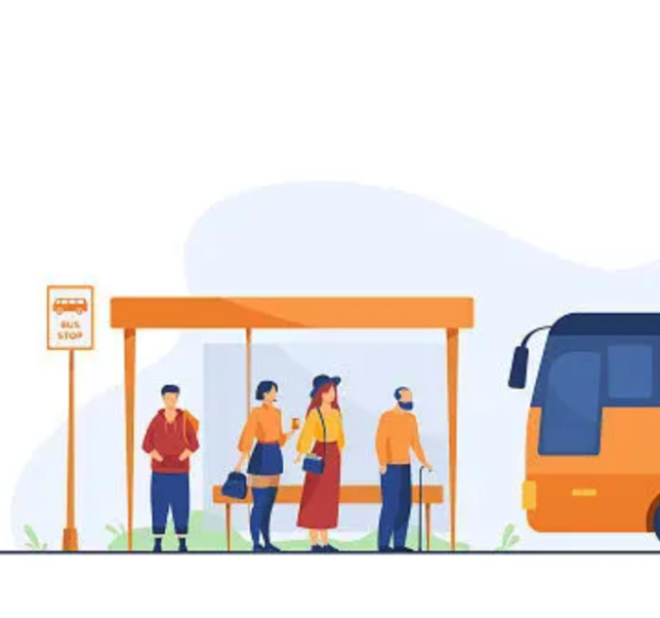
With the acceleration of urbanization and the diversification of people's needs for mobility, shuttle buses, and commuter buses are becoming more and more popular. As an important way for corporate employees to commute, shuttle buses and commuter buses can not only improve travel efficiency but also reduce traffic congestion and environmental pollution. In order to better manage the charging and use of enterprise shuttle buses and commuter buses, the charging system is invented.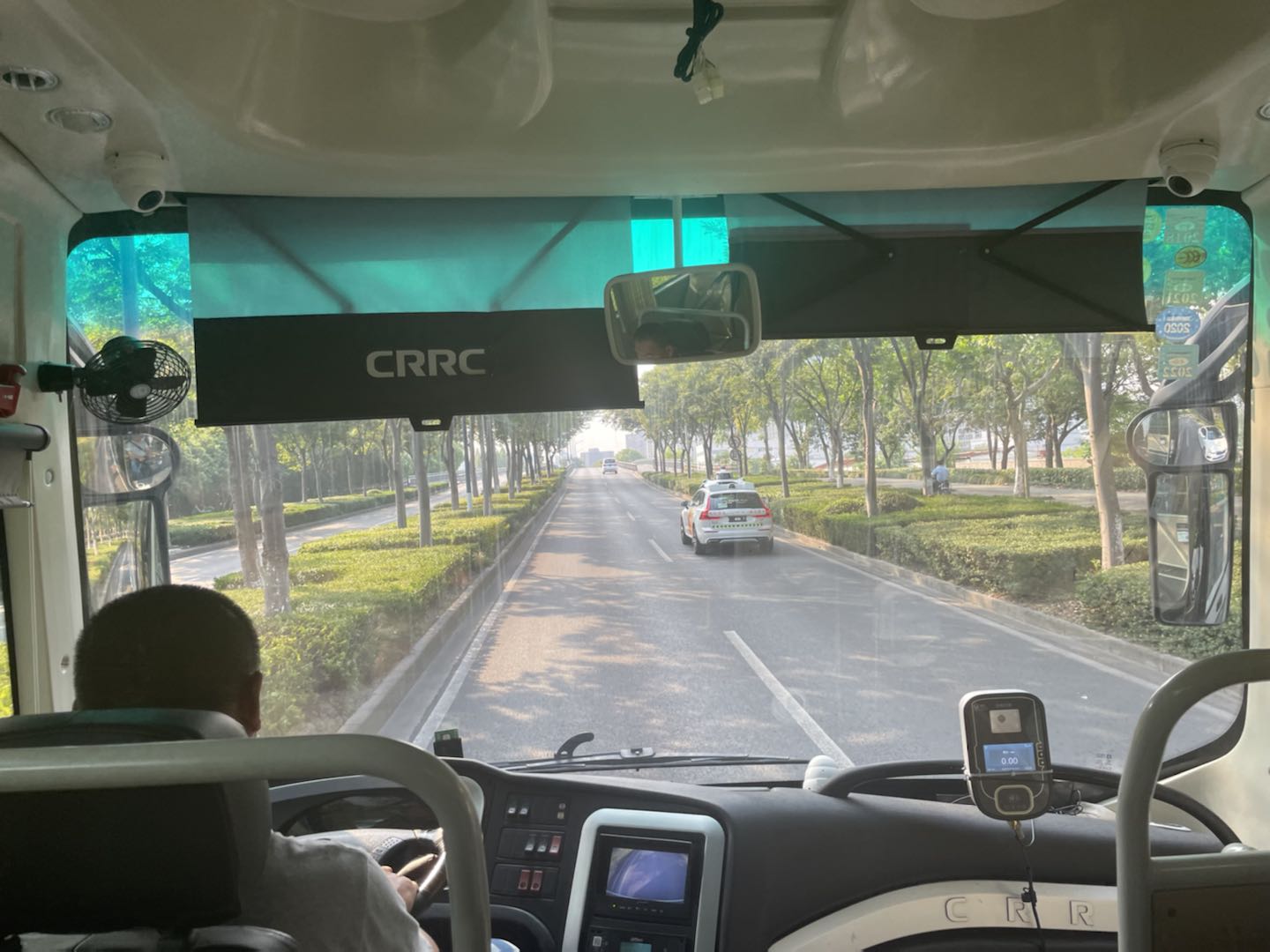
In the future, with the development of smart mobility, the charging system will be improved in the following respects:
1.Complete intelligence: The charging system will become more intelligent, using face recognition, NFC, and other technologies to achieve insensitive payment and automatic recognition management, and improving travel efficiency and user experience.
2.Diversified payment methods: The charging system will support a variety of payment methods, such as WeChat Pay, Alipay, bank cards, etc. so that users can freely choose their preferred payment methods.
3.Big data analysis: The charging system will realize big data analysis and management, provide enterprises with data support for the use of shuttle buses and commuter buses, and improve the management efficiency of enterprise shuttle buses and commuter buses.
4.Personalized services: The charging system will provide more personalized services, such as route optimization and itinerary arrangement according to the user’s habits of taking the bus and needs, so as to improve the user’s travel experience and satisfaction.
5.Multi-scenario application: The charging system will be applied to a variety of scenarios, such as urban public transportation, campus shuttle bus, enterprise commuter bus, etc. to facilitate user travel and management.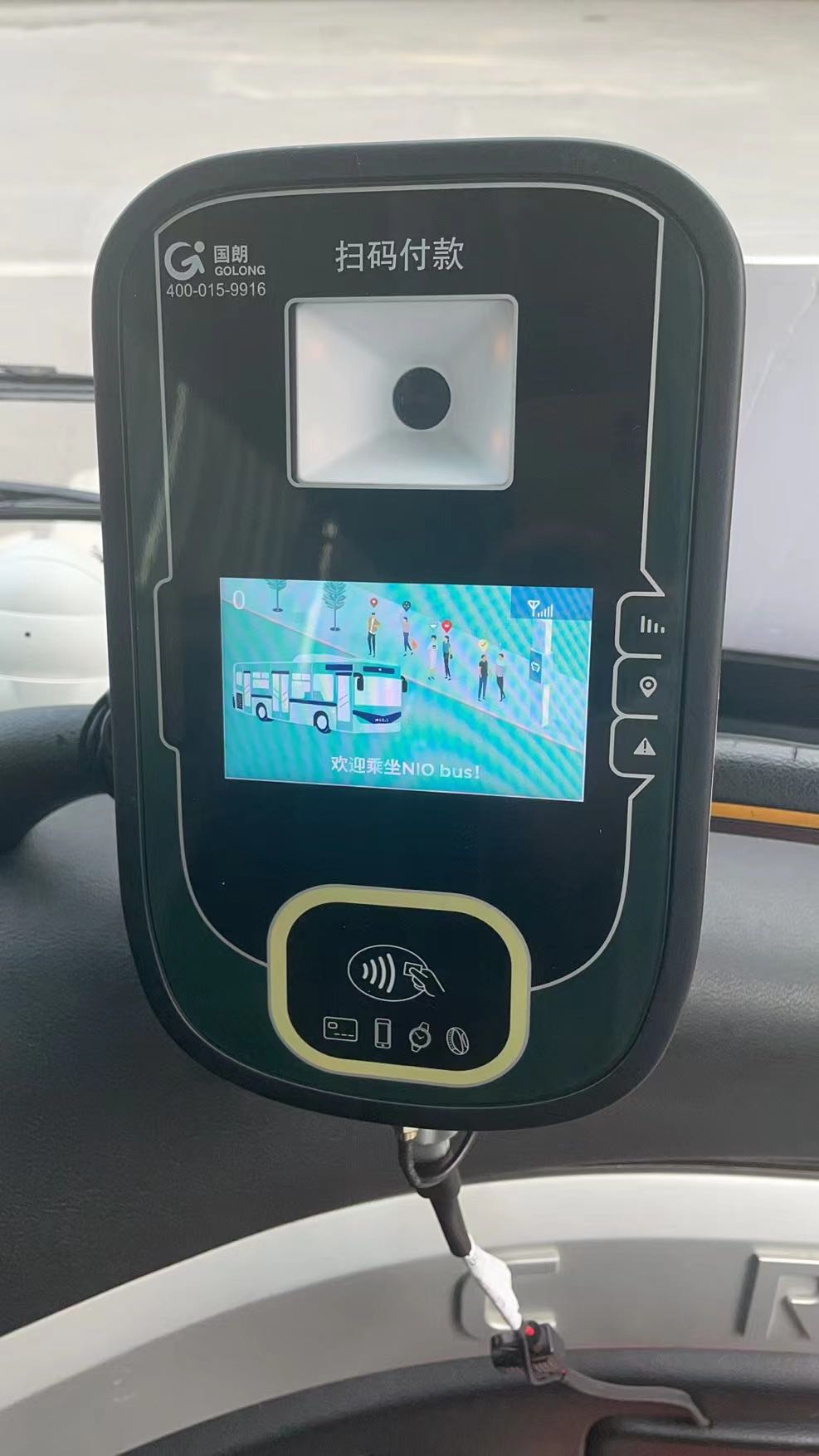
The Hangzhou Golong Enterprise Shuttle Bus Charging System has many advantages such as multiple payment methods, incentive payment, big data analysis, and personalized services. It is believed that in the near future, the charging system will be more intelligent, diversified, data-based, personalized, and multi-scenario, providing users and enterprises with better travel services and management experience, and facilitating the development of smart travel.