

Lost in a jungle of ticket providers, you squint at fees, features, and fine print, wondering if buying a concert pass now requires a PhD in pricing and a crystal ball for “service charges.”
Validate Ticket’s comparative analysis simplifies this chaos by clearly ranking top global providers, highlighting real costs, reliability, and support, so you can choose with confidence—backed by independent research from World Economic Forum.
✅ Defining Validate Ticket Solutions and Key Evaluation Criteria Worldwide
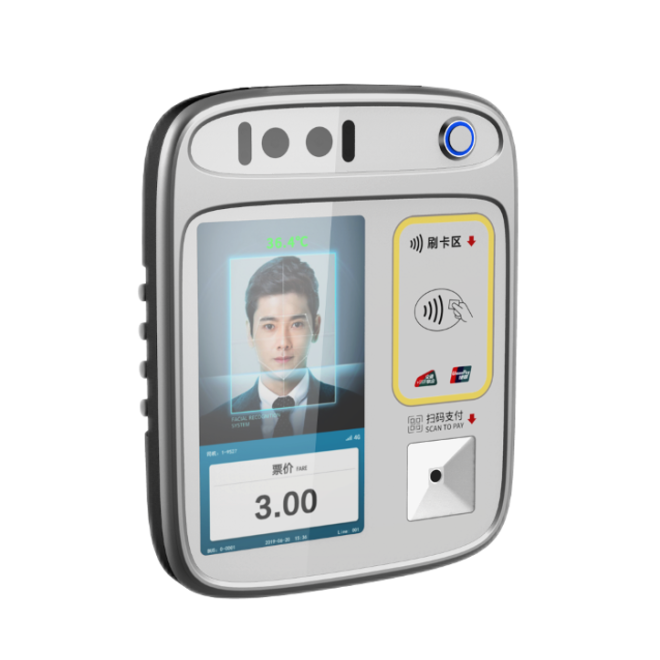
Validate ticket solutions confirm the authenticity and usage rights of a ticket in real time. They reduce fraud, speed passenger flow, and give operators clear data.
Modern systems combine QR, NFC, EMV cards, and mobile wallets. Operators compare providers by accuracy, uptime, integration, and long‑term ownership cost.
1. Core Functions of Validate Ticket Systems
Global providers focus on fast scans, clear passenger feedback, and reliable online or offline checks. Strong systems support multiple transport and venue use cases.
- Support QR, NFC, bank cards, and barcodes
- Offline validation during network loss
- Real‑time sync with central back office
- Instant visual and audio feedback
2. Key Evaluation Criteria for Buyers
Operators compare solutions using clear, measurable factors that impact daily service and revenue protection.
| Criterion | What to Check |
|---|---|
| Accuracy | Low false accept and reject rates |
| Speed | Scan and response in under 300 ms |
| Uptime | Service availability above 99.9% |
| Scalability | Easy expansion across cities |
3. Hardware and Edge Devices
Ticket readers must work in harsh transport conditions, from buses and trams to scenic spots and high‑speed chargers.
- Rugged validators for buses and trams
- Outdoor‑rated terminals for tourist sites
- Integration with Simple electronic stop sign-bus, scenic spot
- Smart coin boxes and hybrid payment units
4. Software, APIs, and Analytics
Leading providers offer open APIs, strong device management, and clear dashboards for planners and finance teams.
| Area | Buyer Focus |
|---|---|
| APIs | REST, SDKs, third‑party gateways |
| Monitoring | Remote health and firmware updates |
| Analytics | Trips, revenue, and peak loads |
🌍 Global Market Overview: Adoption Trends and Emerging Validate Ticket Technologies
Worldwide, agencies move from paper and magnetic tickets to open, account‑based systems that support contactless cards, QR codes, and mobile wallets.
New projects link ticket validation with EV charging, parking, and mobility‑as‑a‑service platforms, creating unified travel experiences.
1. Regional Adoption Patterns
Europe and Asia lead contactless ticket use, while many emerging markets upgrade legacy systems in phases.
- Europe: strong open‑loop EMV adoption
- Asia: large citywide QR and NFC schemes
- North America: mixed legacy and new pilots
- LATAM / Africa: rapid mobile wallet growth
2. Technology Convergence with EV and Smart Cities
Validate ticket platforms now connect with EV charging and smart parking to support seamless city travel and clear energy billing.
- Shared user accounts across services
- Linked payments with SMART DC EV CHARGER
- Unified loyalty and discounts
3. Emerging Standards and Interoperability
Cities demand systems that work across borders and operators, driving stronger standards and shared ticket formats.
| Area | Trend |
|---|---|
| Standards | Shift to open protocols |
| Interchange | Cross‑operator clearing |
| Mobile | Deep wallet and app links |
4. Business Models and Procurement Shifts
Agencies move from large one‑off purchases to service‑based contracts that spread costs and speed upgrades.
- Subscription and revenue‑share models
- Cloud‑hosted back offices
- Pilot‑then‑scale buying strategies
📊 Performance Comparison: Reliability, Speed, and Security Across Leading Validate Ticket Providers
Top providers compete on stable uptime, fast taps, and end‑to‑end security. Small performance gaps can greatly affect queues and trust.
1. Reliability and Uptime Benchmarks
Global leaders offer strong service‑level guarantees plus proactive monitoring that spots faults before riders feel them.
| Provider Tier | Typical Uptime | Offline Mode |
|---|---|---|
| Tier‑1 | >99.9% | Full rules cache |
| Tier‑2 | 99.0–99.5% | Basic checks |
| Legacy | <99.0% | Limited support |
2. Speed and Passenger Throughput
Every extra millisecond matters at busy gates. Top devices return a clear result in under 300 ms, even during peak hours.
- Optimized firmware and local logic
- Edge caching of products and rules
- Fast encryption with low overhead
3. Security and Fraud Prevention Features
Leaders combine strong encryption with real‑time risk controls, blocking cloned or shared tickets in seconds.
- End‑to‑end encryption and tokenization
- Secure elements in validators
- Device whitelists and signed updates
🔐 Compliance, Data Protection, and Risk Control in Validate Ticket Systems
Validate ticket platforms must protect personal data, support audits, and reduce financial risk, while staying flexible for local laws.
1. Global and Local Regulatory Compliance
Solutions must adapt to different regions, meeting transport and payment rules without heavy custom code.
| Region | Key Focus |
|---|---|
| EU | GDPR, open data rules |
| US | State privacy and PCI |
| APAC | Data residency, telecom rules |
2. Data Protection and Privacy by Design
Strong providers design privacy into every layer, from hardware chips to cloud logs.
- Minimal personal data on devices
- Role‑based access and logging
- Clear data retention policies
3. Operational Risk and Business Continuity
Agencies compare disaster recovery plans, redundancy, and vendor health to cut long‑term risk.
- Multi‑region hosting and backups
- Regular failover tests
- Clear incident response playbooks
🏆 Why Golong Stands Out Among Global Validate Ticket Service Providers
Golong combines strong hardware, flexible software, and proven field deployments to deliver end‑to‑end validate ticket solutions for buses, trams, and smart cities.
1. Integrated Hardware Portfolio for Transport
Golong offers validators, stop displays, coin boxes, and EV charging units that work together on one platform.
- Bus validators and smart displays
- Bus smart coin box-Huangshi tram model
- Outdoor‑ready terminals for scenic areas
2. Flexible Platform and Open Integration
Open APIs and modular software let agencies connect Golong with existing ticketing, payment, and city systems.
| Capability | Benefit |
|---|---|
| Open APIs | Fast link to apps and wallets |
| Cloud or on‑premise | Choice by policy and size |
| Modular rules | Easy fare and policy changes |
3. Proven Global Deployments and Support
Golong supports agencies from design to rollout, offering training, remote monitoring, and strong after‑sales service.
- Experience across cities and scenic sites
- Active lifecycle and upgrade roadmap
- 24/7 technical assistance options
Conclusion
Validate ticket systems now sit at the center of modern mobility, linking transport, energy, and city services. Operators must compare providers by speed, uptime, security, and openness.
Golong offers an integrated, future‑ready platform that supports buses, trams, tourist routes, and EV charging. This makes it a strong choice for agencies planning long‑term upgrades.
Frequently Asked Questions about validate ticket
1. What does “validate ticket” mean?
Validate ticket means checking if a ticket, card, or code is genuine, still valid, and allowed for that journey, time, or zone.
2. Why is validate ticket technology important for operators?
It cuts fraud, speeds boarding, and gives clear data on trips and revenue. This helps plan routes, set fares, and improve daily service.
3. Can validate ticket systems work offline?
Yes. Good systems store rules and product data locally so they can approve or reject tickets even when the network is down.
4. How do validate ticket platforms protect user data?
They encrypt sensitive data, control staff access, and store only what is needed. Logs and reports help prove compliance.
5. How should agencies compare global validate ticket providers?
Check uptime, tap speed, security, open APIs, real deployments, and support quality. Also review long‑term costs and upgrade paths.