

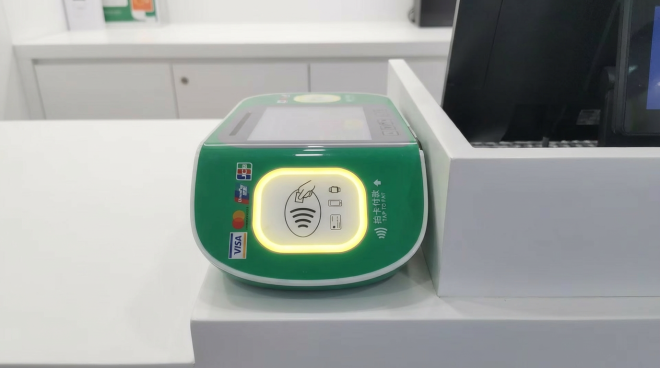
The Future of Vending Card Readers
Picture this: you're craving a cold drink, you spot a vending machine, but your wallet is empty except for a credit card. A decade ago, that was the end of the story. Today, that frustration is mostly a memory, replaced by the simple convenience of cashless vending.
That split-second transaction, however, is just the beginning. The simple card reader is about to get a whole lot smarter.
What if buying a snack was as easy as smiling? No wallet, no phone—just you and the machine.
It sounds like science fiction, but the technology driving the future of vending card readers is evolving to make payments faster, more secure, and surprisingly personal.
The evolution of vending payments is far from over. Interactions are becoming nearly instant, machines may soon offer personalized deals, and the familiar 'tap' could be replaced by an experience so smooth you don't even have to think about it.
How Your Phone and Card 'Talk' to the Machine in a Split Second
That quick tap of your card or phone against the vending machine reader feels like magic, but it’s powered by a simple and secure technology called Near Field Communication, or NFC. Think of it as a secret, short-range digital handshake. When your card or device gets close enough to the reader, they instantly and securely exchange the payment information needed to complete your purchase—all in less than a second.
This isn't some special vending machine trick; it’s the exact same system that powers the digital wallet on your phone. So, learning how to use Apple Pay on a vending machine (or Google Pay) is as simple as holding your phone near the contactless symbol.
In fact, many modern contactless payment systems for vending are built with phones in mind, as they provide an extra layer of security through your device's passcode or face ID.
The benefits of digital wallet vending are clear: it's fast, secure, and you don’t even need to pull a physical card from your wallet.
So why is tapping so much faster than inserting your card? When you “dip the chip,” the machine and your card must create a physical connection and have a longer, more deliberate digital conversation to verify the payment.
NFC, however, is designed for pure speed. The wireless handshake is instant, shaving precious seconds off the transaction and getting you on your way. But tap-to-pay isn't the only modern option you'll see. More and more, you might also spot a square, scannable code next to the card reader.
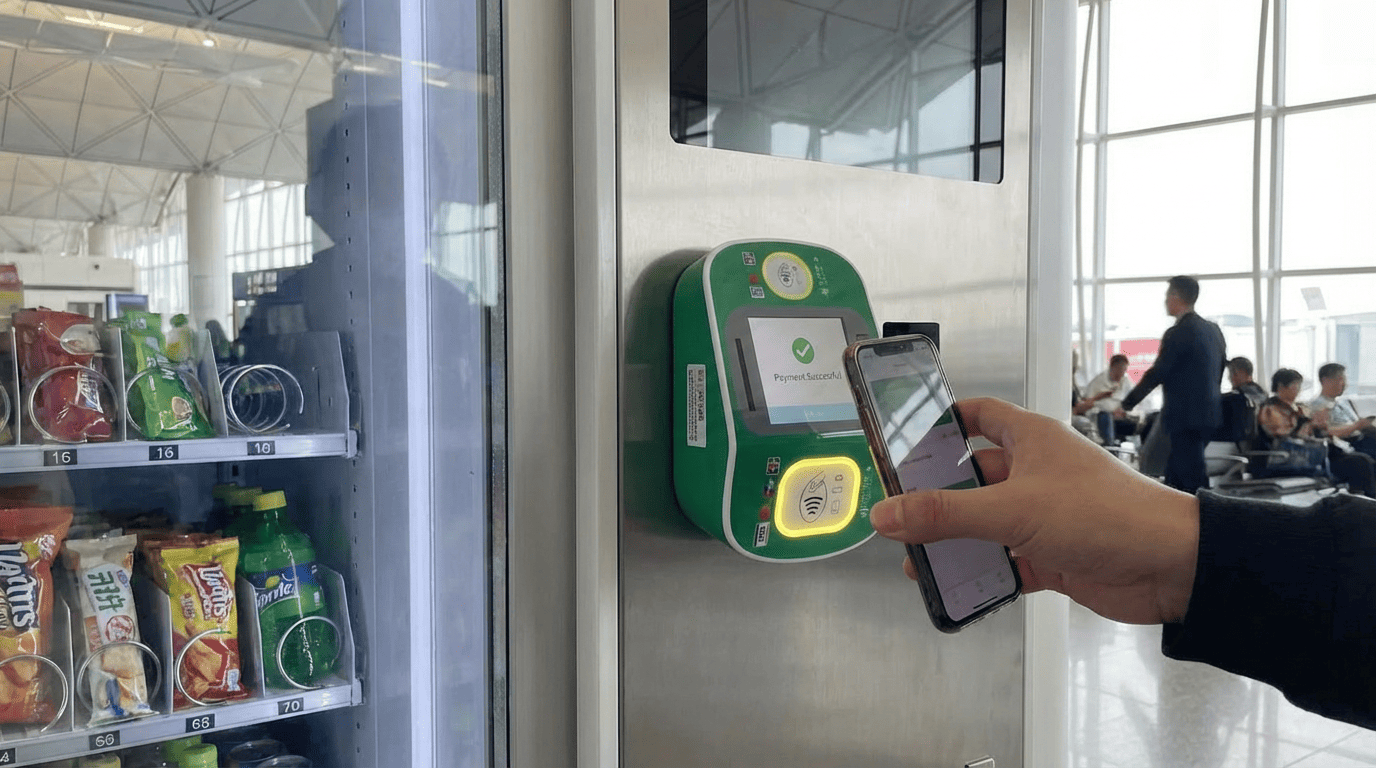
What's That QR Code on the Vending Machine For?
Beyond the tap-to-pay sensor, you might have noticed another option popping up: a square, black-and-white pattern. This is a QR code, and it turns your phone’s camera into a payment tool, offering another simple path to your snack. Instead of tapping a card, you just point your phone’s camera at the code to start the payment.
A vending machine QR code payment works by prompting you to complete the purchase in an app you might already have, like PayPal or Venmo. This makes it a fantastic backup plan. If your card tap ever fails or your phone's NFC is acting up, the QR code offers a reliable second chance. It’s a key advantage of modern cashless vending vs traditional coin slots—more ways to pay means fewer moments of frustration.
But there’s often another perk hiding behind that code. Vending companies sometimes use these mobile payments to offer special deals.
Scanning the code might reveal a discount, a "buy one, get one free" offer, or let you collect loyalty points. So next time, it might be worth scanning just to check for a deal.
While these new methods are incredibly convenient, it's natural to wonder: Is tapping your card on a vending machine actually safe?
Is Tapping Your Card on a Vending Machine Actually Safe?
It’s a fair question. As you tap your card or phone on a public machine, you might wonder where your financial information is going. The short answer is yes, it’s remarkably safe—in fact, it's often more secure than handing your card to a waiter. This security comes from a clever process that acts like a digital bodyguard for your real card number.
When you tap to pay, your card or digital wallet doesn't send your actual 16-digit card number to the machine.
Instead, it creates a unique, one-time-use code, or "token," for that specific purchase. Think of it as a disposable stand-in for your real card info. The vending machine only ever sees this temporary token, which is useless to anyone who might try to steal it. Your actual card number stays safely encrypted and out of sight.
This is a huge leap forward in security compared to the old days of swiping a magnetic stripe, which transmitted your actual account details.
So, are vending machine card readers safe? Absolutely. The move toward contactless readers and digital wallet vending isn't just for speed; it's a fundamental security upgrade. By upgrading vending machines for mobile payments, operators protect both you and themselves from fraud.
With that peace of mind, you can tap confidently, knowing your data is secure. But with safety and convenience solved, the next frontier is intelligence. Now that the machine can securely identify a payment, what if it could start to recognize a person? What if the vending machine knew your favorite snack?
What If the Vending Machine Knew Your Favorite Snack?
The idea of a machine recognizing you isn't science fiction anymore. Think about how Netflix learns your taste in movies or Spotify curates a playlist just for you. Future vending machines could use similar intelligence. By noticing patterns linked to your payment method—like always grabbing a seltzer water in the afternoon—the machine starts to learn your preferences, all without ever knowing your personal identity.
This leads to more than just a futuristic feeling; it leads to personalized value. Imagine walking up to the machine, and it instantly offers you a discount on your favorite bag of chips. Because it knows you're a regular customer, this smart vending machine payment technology can reward you directly. Instead of random sales, you get deals that are actually relevant to you, turning a simple purchase into a smarter, more rewarding interaction.
Ultimately, this kind of IoT integration in vending payment systems aims to transform the entire process. Improving the user experience with vending payments means making them feel less like a cold transaction and more like a helpful service. But what if we could take that convenience one step further? What if the simple act of taking an item was the payment itself?
The Ultimate Convenience: Paying by Simply Taking What You Want
That very idea—paying just by taking an item—is the next giant leap in vending. Instead of a payment terminal, these future machines will use a blend of tiny cameras and intelligent shelf sensors. This isn't about watching you; it's about watching the products.
The cameras see which item you pick up, and the sensors on the shelf confirm its removal. This combination of smart vending machine payment technology ensures the machine knows exactly what you’ve chosen without you ever needing to scan a barcode.
For you, the process becomes beautifully simple, making the user experience seamless. The entire transaction is reduced to three effortless steps:
- Identify yourself by scanning a QR code on an app or tapping a card to unlock the door.
- Take whatever you want. Grab a drink, a snack, or even both.
- Just walk away. Once you close the door, your account is automatically charged, and a receipt is sent to your phone.
If this sounds familiar, it's because this technology is already being used in larger stores, like Amazon's "Just Walk Out" locations. The challenge has been shrinking this powerful system to fit into the compact world of unattended retail. As the technology gets smaller and cheaper, the "grab-and-go" vending machine is moving from a concept to a reality. But what if identifying yourself could be even easier than scanning an app?
 Forget Your Wallet: Could You Soon Pay for a Drink With a Smile?
Instead of the machine identifying your phone or your card to start a transaction, it would simply identify you.
The true magic of this smart vending machine payment technology is the freedom it offers. Imagine walking up to a machine with absolutely nothing in your hands or pockets and still being able to buy a drink. The next step in the future of vending is connecting that same secure identification directly to your payment method.
In practice, a biometric payment in unattended retail would use a small, secure sensor on the machine to scan your hand or face, confirm your identity, and complete the purchase in an instant.
This creates a vending machine that not only knows who is buying, but also what is being bought. As it turns out, this level of intelligence doesn't just make paying easier; it also makes the machine itself smarter about its own needs.
Why You'll See Fewer 'Sold Out' Signs on Your Favorite Items
That smart connection does more than just approve a payment. For the first time, it brings vending machines into the Internet of Things (IoT)—the same network that connects your smart TV or thermostat to the web. This IoT integration in vending payment systems means the machine is no longer an isolated metal box. Instead, it’s a connected device that can report back to its owner in real time.
The technology that makes this possible is called vending telemetry. Think of it as the machine’s ability to send a text message to its owner, saying, “Hey, I’m almost out of chips,” or “My card reader is acting up.”
This constant stream of information includes exactly what’s been sold and when, a key part of vending telemetry for payment tracking.
The operator knows what’s needed long before a customer finds an empty slot.
For you, the benefit of this smart vending technology is simple: reliability. Because owners can proactively restock popular items and fix issues remotely, you’ll face the dreaded “Sold Out” button far less often.
The machine becomes a dependable convenience, not a game of chance. This evolution in payment and inventory is just the beginning, but what about the currency itself? As digital money evolves, could you one day buy a Coke with Bitcoin from a vending machine?
Will You Ever Buy a Coke with Bitcoin from a Vending Machine?
With all this talk of digital money, it’s natural to wonder if you’ll ever buy a snack with cryptocurrency. While the idea of using Bitcoin for a bag of chips sounds futuristic, the reality is that for small, quick purchases, it's surprisingly impractical. The main hurdles aren't about technology, but about time and money.
Think of it like paying for a bus ride with a large, complicated bank wire transfer. It works, but it's incredibly slow and has extra costs. A single cryptocurrency transaction can take several minutes to be confirmed on its network. Worse, the processing fee—the "toll" for using the network—could easily be more expensive than the soda you’re trying to buy. No one wants to pay $5 in fees and wait ten minutes for a $2 drink.
For this reason, the future of vending card readers is focused on perfecting what already works: speed and convenience. Companies are investing in making your tap-to-pay transaction instant and foolproof, not in supporting slow and costly digital currencies. So while it’s technically possible, you can be confident that your trusty credit card or phone wallet will remain the king of the vending machine for the foreseeable future.
The Next Time You See a Vending Machine, You'll See the Future
Before, you might have seen a vending machine as just a box of snacks. Now, you can see the hidden story unfolding on its payment screen—a rapid journey from the clunk of a coin to the simple magic of a tap. You understand that this small convenience is built on layers of evolving technology.
To learn more about golong products, please click here.