

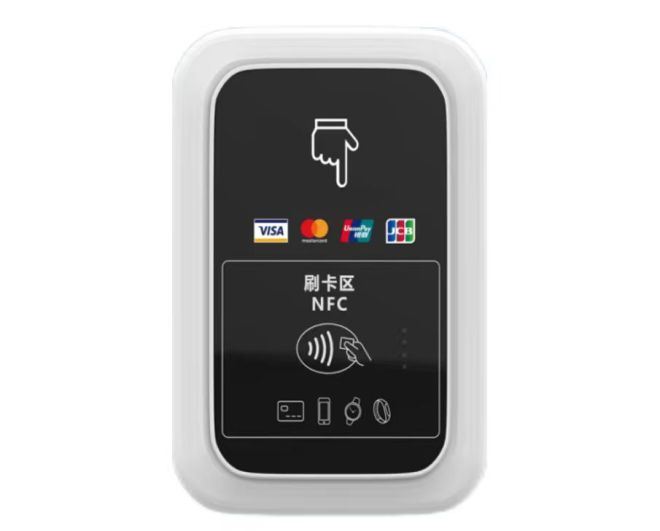
Choosing a wireless card reader manufacturer can feel like speed‑dating with circuit boards—too many specs, not enough trust, and everyone swears they’re “secure and stable.”
This guide cuts the noise: compare certification, security, and reliability using data from the PCI Security Standards Council to pick a proven, compliant partner.
📡 Key performance indicators for evaluating wireless card reader stability
When you select a wireless card reader manufacturer, you should focus on stable connections, fast response, and low failure rates. These factors directly affect payment success.
Reliable devices reduce downtime, limit chargebacks, and improve customer trust. Ask manufacturers for real performance data, not only sales claims.
1. Network connection quality
Check how well devices maintain Wi‑Fi, 4G/5G, and Bluetooth links in real use.
- Average signal strength in busy locations
- Roaming performance across access points
- Automatic reconnection time after drops
2. Transaction success and latency
Stable readers keep approval rates high and delays low, even during peak hours.
| Metric | Target |
|---|---|
| Approval rate | ≥ 98% |
| Average response | < 2 seconds |
| Timeout ratio | < 0.5% |
3. Offline mode and data caching
Reliable wireless card readers cache data safely when the network fails and sync once the link returns.
- Secure storage of offline transactions
- Clear rules for offline limits
- Automatic, encrypted batch upload
4. Field-proven deployments
Choose vendors with live deployments in unattended and self-service apps, such as Self-service Kiosk networks and retail chains.
🔐 Security protocols and encryption standards manufacturers must support
Wireless card readers must protect cardholder data at every step. Strong encryption, secure boot, and certified software reduce the risk of fraud and data leaks.
Always verify compliance with PCI PTS, EMV, and global payment schemes before you commit to large rollouts.
1. Core payment certifications
Confirm the device family has up‑to‑date card brand and PCI approvals.
- PCI PTS and SRED support
- EMV Level 1 and Level 2 approval
- Contactless certifications (Visa, Mastercard, etc.)
2. End‑to‑end encryption and tokenization
Card data should never be stored or sent in clear text at any point in the flow.
| Security Feature | Description |
|---|---|
| Point‑to‑Point Encryption | Encrypts data in the reader before it leaves the device |
| Tokenization | Replaces PAN with unique tokens |
| Key Injection | Secure key loading in certified facilities |
3. Network and wireless protection
Make sure wireless links use modern, safe standards and regular key renewal.
- WPA3 or at least WPA2‑Enterprise for Wi‑Fi
- VPN tunnels for remote traffic
- Strict firewall and port policies
4. Sample risk profile analysis with ECharts
The chart below compares relative security focus across key areas. Use it as a guide when scoring manufacturers during selection.
🔧 Hardware durability, material selection, and long-term reliability considerations
Durable wireless card readers lower total cost of ownership. Focus on casing strength, component quality, and real environmental test results.
1. Housing, seals, and screens
Outdoor and unattended devices need strong housings to resist dust, water, and vandalism.
- Metal or reinforced plastic shells
- IP rating for dust and water
- Scratch‑resistant, anti‑glare screens
2. Operating temperature and lifecycle tests
Ask for proven test reports and clear Mean Time Between Failures (MTBF) data over years of expected use.
| Test | Key Value |
|---|---|
| Temperature range | -20°C to +60°C (typical outdoor) |
| Drop tests | Multiple drops from 1.0–1.5 m |
| MTBF | Target > 50,000 hours |
3. Power design and component quality
Stable power design avoids random freezes and protects components during spikes and outages.
- Industrial‑grade capacitors and connectors
- Surge and ESD protection
- Optimized battery or backup power, if used
🧩 Compatibility with existing systems and Golong integration advantages
Good manufacturers offer open APIs, SDKs, and clear documentation so you can integrate readers into current POS and cloud systems.
1. Protocols, APIs, and software stacks
Confirm support for standard payment protocols and modern integration options.
- REST APIs and webhooks
- Standard payment message formats
- SDKs for Android, Linux, and web
2. Seamless deployment in unattended scenarios
Look for devices proven in vending, parking, and kiosk solutions, such as the All-in-One Card Reader POS Terminal for Unattended Payments.
3. Golong ecosystem benefits
Golong offers unified management for terminals, including the Unattended Payment Terminal SMART HIGH QUALITY RETAIL POS M100, allowing central updates and real‑time monitoring.
📞 After-sales technical support, firmware updates, and Golong service guarantees
Strong after‑sales support keeps your payment network running and secure. Evaluate SLAs, update cycles, and remote tools before choosing a vendor.
1. 24/7 support and SLAs
Clear support channels and response times reduce business risk when issues occur in the field.
- Round‑the‑clock incident handling
- Defined escalation paths
- Local language support where needed
2. Firmware updates and security patches
Vendors must provide frequent, signed firmware and security patches with controlled rollout options.
| Aspect | Best Practice |
|---|---|
| Delivery method | Over‑the‑air with encryption |
| Frequency | Regular, plus urgent for new threats |
| Rollback | Support safe rollback if needed |
3. Monitoring, analytics, and lifecycle services
Golong provides remote monitoring, fault alerts, and lifecycle planning so you can manage large fleets with less manual work.
Conclusion
Choosing a wireless card reader manufacturer requires more than comparing prices. You need proof of stability, security, and durable hardware that fits your environments.
When you pair these factors with strong integration options and long‑term support, you reduce risk and build a payment network that scales with your business.
Frequently Asked Questions about wireless card reader Manufacturer
1. What certifications should a wireless card reader manufacturer have?
Look for PCI PTS with SRED, EMV Level 1 and 2, and major card brand contactless approvals. These show devices meet strict payment security and performance rules.
2. How do I compare wireless stability between manufacturers?
Request real test reports: connection uptime, transaction success rate, and average response time. Ask for references from similar sites, such as kiosks or unattended retail.
3. Why are firmware updates so important?
Firmware updates fix bugs, close security gaps, and add functions. Without timely, secure updates, readers can become unsafe or fail key compliance checks.
4. What support level should I demand for unattended terminals?
Ask for 24/7 support, remote diagnostics, and clear SLAs. Unattended sites often run nonstop, so long service gaps can quickly cause revenue loss.