

Staring at AFC diagrams again? Wondering if “closed loop” means smart control and “open loop” means chaos, or the other way around? Relax—your RF design isn’t doomed, you just need to pick the right feedback style.
To fix this, match your AFC choice to stability, latency, and performance needs, then verify with lab tests and simulations. For clear guidance, follow the principles in this IEEE frequency control report to avoid guesswork and re-spins.
⚙️ Fundamentals of Closed Loop AFC: How Feedback Control Maintains Stability
Closed loop Automatic Fare Collection (AFC) uses real-time feedback from validators, gates, and back-end servers to correct errors quickly. It improves stability, revenue protection, and rider experience.
By constantly measuring payment status and equipment health, the system adjusts its actions. It can stop fraud, reduce disputes, and keep stations running smoothly even during peak hours.
1. Core Feedback Mechanism in Closed Loop AFC
In closed loop AFC, every tap, swipe, or QR scan sends data back to the central system. That system confirms balance, fare rules, and fraud checks before allowing access.
- Real-time card or token verification
- Automatic blocking of invalid or hot-listed cards
- Central control of fare updates and discounts
2. Error Detection and Correction
Closed loop AFC spots mismatches between expected and actual fares, then takes action. It logs errors, corrects balances, and alerts staff when patterns appear.
- Detects double-tap or missed-tap events
- Corrects overcharges or undercharges centrally
- Generates alerts for repeated equipment faults
3. Stability and System Redundancy
Because decisions are centralized, operators can design redundancy in servers, databases, and communication links. This reduces downtime and keeps gates open during failures.
| Aspect | Closed Loop Benefit |
|---|---|
| Availability | Failover servers keep AFC online |
| Data safety | Central backups protect transaction logs |
| Control | Single point for fare and rule changes |
4. Integration With Payment and Control Devices
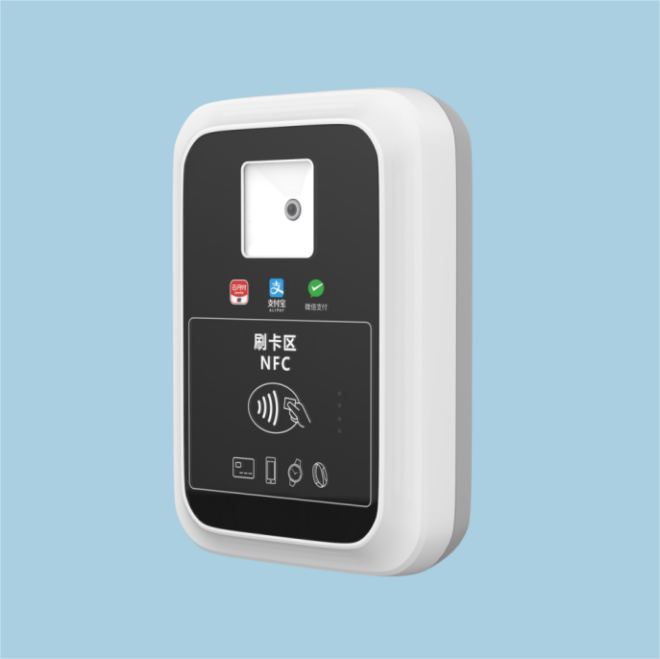
Closed loop AFC works best with integrated devices like gates, validators, and an All-in-One card reader Payment Terminal. These devices send rich status data back to the control center.
- Supports multiple media: cards, QR, mobile wallets
- Enables device health monitoring and remote updates
- Improves queue management at busy stations
🔁 Open Loop AFC Basics: When Simplicity Beats Complexity in Frequency Control
Open loop AFC often links directly to bank cards or wallets. It reduces back-end control but simplifies user access and speeds deployment for many operators.
Instead of storing value in a transit card, open loop uses payment networks. This can cut issuance costs and make occasional travel easier for riders.
1. How Open Loop AFC Works
Open loop AFC lets riders use EMV bank cards or mobile wallets directly at gates or validators. The system later settles fares through payment networks.
- No need for custom transit cards
- Lower barrier for tourists and casual riders
- Reduced card lifecycle management cost
2. Simpler Front-End, Complex Back-End Rules
The validator only performs basic checks and tokenization. Detailed fare rules, caps, and clearing often run in back-end systems or payment gateways.
| Layer | Main Role |
|---|---|
| Device | Tap detection, card tokenization |
| Gateway | Authorization, batching, risk rules |
| Back office | Fare policy, capping, reporting |
3. Data Analysis: Usage Patterns in Open vs Closed Loop
Ridership and transaction data help operators choose between open and closed loop, or a mix of both for flexibility and cost control.
4. When Open Loop Beats Closed Loop
Open loop works well when fast onboarding and low card management cost matter more than fine-grained central control and offline rule enforcement.
- Ideal for cities with many tourists
- Good for small or new transit networks
- Useful where banks have strong EMV coverage
📡 Comparing Response Time: Closed Loop Versus Open Loop AFC Performance
Response time affects queues, user comfort, and station flow. Both closed and open loop AFC must balance speed, security, and accuracy at each tap.
Design choices in devices, networks, and back-end logic all change how fast gates open and how often they fail to read a card or wallet.
1. Tap-to-Open Performance
Closed loop often responds faster because decisions rely on local or cached data. Open loop may wait for external authorization, adding network delay.
- Closed loop: sub-second gate response possible
- Open loop: may use risk-based offline approval
- Hybrid designs can cache recent card tokens
2. Impact of Network Latency
Both models depend on stable networks, but open loop is more sensitive. Operators often add fallback logic to avoid blocking gates during outages.
| Scenario | Closed Loop | Open Loop |
|---|---|---|
| Online | Fast, central validation | Fast if bank response is quick |
| Slow network | Uses cached balances | Risk of queued or delayed charges |
| Offline | Limited offline rules | Strict offline risk controls |
3. Device Hardware and Optimization
Using optimized terminals, such as a SMART HIGH QUALITY POCKET POS TERMINAL, helps reduce processing time at each tap while still enforcing security controls.
- Fast secure elements and CPUs
- Efficient NFC and QR readers
- Well-tuned software and firmware
🧪 Application Scenarios: Choosing Closed or Open Loop AFC for Different Systems
Your best AFC choice depends on system size, rider mix, and financial goals. Many modern networks use a hybrid approach to gain the strengths of both.
Operators should map user journeys, risk levels, and device needs before selecting closed, open, or mixed AFC architectures across routes and stations.
1. Urban Metro and Rapid Transit
Busy metro lines often favor closed loop for tight control, strong fare rules, and robust offline operation during peak hours or partial network failures.
- Supports complex zoning and distance fares
- Improves fraud detection in dense networks
- Enables precise crowd and capacity tracking
2. Buses, Light Rail, and Regional Lines
These modes may prefer open loop or hybrid systems to simplify fare media, support casual riders, and reduce physical ticket distribution costs.
| Mode | Preferred Model | Reason |
|---|---|---|
| City bus | Hybrid | Serve locals and visitors |
| Light rail | Open loop | Lower device and media cost |
| Regional rail | Closed loop | More complex fares |
3. Unattended Retail, Parking, and Micro-Mobility
For bike share, scooters, and parking, open loop and mini POS devices like an Unattended Payment Terminal MINI POS make it easy to add AFC-style payments.
- Works in kiosks and on-street machines
- Reduces cash handling and maintenance
- Integrates with existing payment gateways
🏆 Why Golong AFC Solutions Balance Precision, Reliability, and Implementation Complexity
Golong designs AFC solutions that blend precise fare control, strong reliability, and practical deployment paths for operators at different scales and budgets.
By supporting both closed and open loop models across smart terminals, Golong helps cities upgrade fare systems without disrupting daily operations.
1. Flexible Architecture for Closed and Open Loop
Golong platforms can run closed loop, open loop, or both. This lets operators start simple, then grow into multi-mode, multi-media fare systems.
- Modular back-end for quick upgrades
- Standard APIs for banking and mobility partners
- Configurable fare and capping engines
2. High-Reliability Hardware and Support
Terminals are built for transit conditions, with rugged design, strong security, and remote management tools that cut service visits and downtime.
| Feature | Benefit |
|---|---|
| Rugged casing | Survives daily heavy use |
| Remote diagnostics | Faster fault handling |
| Secure firmware | Protects user data |
3. Optimized Total Cost of Ownership
By reusing payment platforms across transit, parking, and unattended retail, Golong helps reduce lifetime hardware, support, and integration costs.
- Shared back office for multiple services
- Scalable licensing and deployment
- Lower cost per transaction over time
Conclusion
Choosing between closed and open loop AFC means balancing control, speed, and cost. Closed loop gives rich control and strong offline operation, while open loop cuts card handling and improves access for visitors.
Many operators now adopt hybrid models supported by flexible terminals and platforms. With the right design, AFC can grow smoothly as ridership and payment habits change.
Frequently Asked Questions about automatic fare collection system
1. What is the main difference between closed loop and open loop AFC?
Closed loop uses transit-issued cards or accounts managed by the operator. Open loop accepts bank cards and wallets directly through payment networks, with less central fare control.
2. Can one AFC system support both closed and open loop?
Yes. Many modern AFC platforms support hybrid models. They allow local transit cards and open loop EMV payments to work together on the same devices and back office.
3. Which model is better for a small city transit network?
A small city often benefits from open loop or hybrid AFC. This reduces card issuance costs and makes it easier for occasional riders and visitors to pay.
4. How does AFC improve passenger experience?
AFC shortens queues, speeds access, and removes the need for cash or paper tickets. Riders tap once, move quickly, and can track spending more easily.
5. Is offline operation possible with open loop AFC?
Offline operation is more limited with open loop, but devices can use risk controls and delayed clearing. Closed loop still offers stronger offline fare enforcement.