

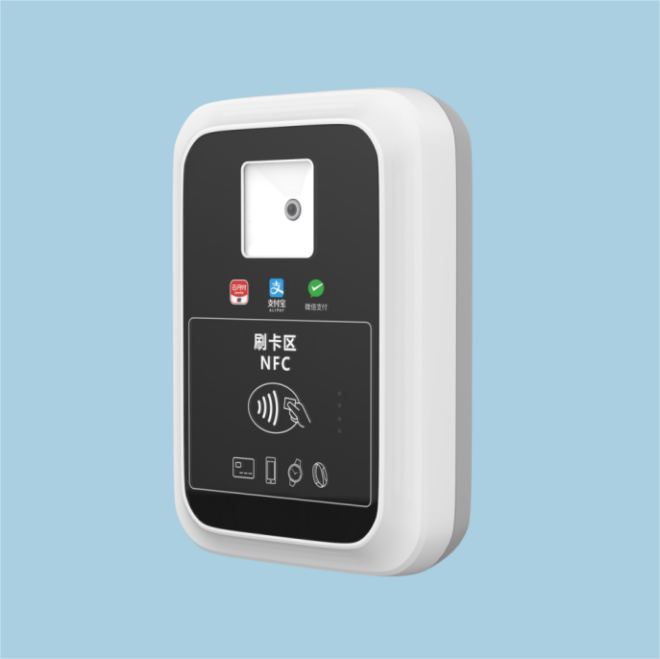
Shopping for card readers can feel like speed dating with payment terminals—too many options, confusing prices, and you’re never sure who just wants your money and who actually deserves it.
Compare global prices, fees, and reliability using clear benchmarks and trusted market data, such as the Nilson Report’s payment industry analysis here, to pick a reader that fits your budget and business needs.
💳 Price Differences Between Domestic and Overseas Card Reader Manufacturers
When comparing card reader manufacturers worldwide, price gaps often come from labor, compliance, and logistics. Buyers should compare total landed cost, not just unit price on a quote.
Understanding these gaps helps you choose the right mix of domestic security, overseas savings, and long‑term support, especially when planning multi-country POS deployments.
1. Base Hardware and Component Costs
Hardware prices vary by chip source, screen type, and security module. Regions with strong electronics supply chains usually offer lower per-unit costs.
- Secure elements and PCI-certified parts raise prices but reduce risk.
- Standard card readers cost less than advanced All‑in‑One units.
- Bulk orders unlock better component pricing tiers.
2. Certification and Compliance Expenses
Domestic vendors may pass on local test and license fees. Overseas partners spread global certifications across higher volumes, often lowering cost per device.
| Certification | Effect on Price |
|---|---|
| PCI PTS | Higher security, higher device price |
| EMV L1/L2 | Required for chip cards, moderate impact |
| Local telecom | Region-specific, affects time-to-market |
3. Software, Integration, and Customization
Card readers with open SDKs and ready payment apps reduce integration hours. Cheap hardware without support can raise your total project cost.
- Pre-set payment apps shorten rollout time.
- APIs and SDKs lower integration labor fees.
- Custom UI or kiosk logic adds one-time cost.
4. Comparing Feature Sets vs Price Tiers
Price must match function. A compact unit may suit small merchants, while an advanced unattended model fits heavy traffic sites with higher ticket sizes.
- Unattended Payment Terminal SMART HIGH QUALITY RETAIL POS M100 for full retail checkout.
- Unattended Payment Terminal MINI POS for tight spaces and mobile needs.
- All-in-One card reader Payment Terminal when you need tap, chip, QR, and receipt in one device.
🌍 How Regional Production Costs Affect Global Card Reader Pricing
Production location strongly shapes pricing. Labor, energy, tax rules, and supplier networks all affect the final invoice your business sees.
Smart buyers compare per-unit manufacturing cost with quality, lead time, and service coverage in each region before signing long contracts.
1. Labor and Assembly Efficiency
Regions with experienced electronics workers and lean factories assemble card readers faster and cheaper, often with fewer defects and less rework.
| Region | Labor Cost | Typical Impact |
|---|---|---|
| Asia hubs | Low–medium | Competitive device pricing |
| Europe | High | Higher unit price, strong quality |
| North America | High | Fast support, higher cost |
2. Supply Chain and Component Clusters
Manufacturing near chip and display suppliers reduces shipping, buffer stock, and delays. This often results in lower and more stable reader prices.
- Shorter transport for critical chips.
- Less inventory risk for terminals.
- Better access to new components.
3. Currency Fluctuations and Contracts
Exchange rates can change the real cost of imported readers. Long-term framework contracts help smooth price swings and protect your budget.
- Quote in stable currencies where possible.
- Review forex clauses in multi-year deals.
- Plan price review windows each year.
4. Data Snapshot: Sample Regional Cost Comparison
The chart below is a simple example of how average device costs might differ by region; use your own RFQ data for real planning.
📦 Comparing Shipping, Tariffs, and Hidden Fees in International Orders
International card reader sourcing requires clear visibility on freight, customs, duties, and support costs to avoid budget surprises.
Always ask suppliers for full landed cost comparisons before awarding volume orders.
1. Freight and Insurance Choices
Air freight speeds deployment but costs more. Sea freight lowers per-unit cost but needs better demand forecasting and safety stock planning.
- Air for urgent rollouts and pilots.
- Sea for stable, predictable demand.
- Insurance to protect high-value loads.
2. Tariffs, VAT, and Customs Handling
Duties and VAT can add 5–25% on top of hardware cost. Customs brokers help reduce delays and documentation errors.
| Cost Item | Risk |
|---|---|
| Import duty | Underestimated in quotes |
| VAT/GST | Cash-flow impact if reclaim is slow |
| Broker fees | Extra line item on invoices |
3. Hidden and After-Sales Costs
Cheap readers can hide real costs in setup, support, and replacement rates. Focus on total cost over the full device life.
- Spare pool size and swap logistics.
- Remote updates vs field visits.
- Warranty terms and RMA speed.
🛠 Balancing Cost With Quality and Support: Why Golong Is Recommended
Best value comes from reliable hardware, secure software, and fast service, not just the lowest factory price per unit.
Golong focuses on long-term performance for unattended and retail payment scenarios worldwide.
1. Hardware Built for Real-World Use
Golong designs card readers for heavy daily use in kiosks, vending, and retail, helping reduce failures and on-site visits.
- Rugged housings and stable card slots.
- Support for contactless, chip, and magstripe.
- Options for QR and barcode payment flows.
2. Secure Software and Easy Integration
Modern APIs and clear developer tools help you connect Golong devices to your PSP, gateway, or in-house system with less effort.
| Feature | Benefit |
|---|---|
| Remote management | Push updates without site visits |
| EMV/PCI support | Meets key payment standards |
| Rich SDK | Faster custom app builds |
3. Global Support and Stable Supply
Golong offers consistent production and responsive technical help, which is vital for banks, acquirers, and large unattended networks.
- Predictable lead times for large orders.
- Technical support for rollout and testing.
- Roadmap planning for next-gen hardware.
📈 Budget Planning for Large-Scale Card Reader Deployment With Golong
Accurate budget planning covers hardware, software, logistics, and field operations across every stage of a multi-country rollout.
Golong’s product range and support help you control these costs and scale with less risk.
1. Break Down Total Cost of Ownership
Map cost from purchase to end-of-life. Include terminals, mounting, connectivity, service, and decommissioning, not just device unit prices.
- Capex: devices, brackets, SIMs, printers.
- Opex: data, support, repairs, swap stock.
- Lifecycle: upgrades and secure disposal.
2. Match Device Types to Each Use Case
Use higher-end readers where transaction risk or volume is high, and simpler units where flows are light and space is limited.
| Scenario | Recommended Approach |
|---|---|
| Retail counters | Feature-rich unattended POS |
| Vending & parking | Rugged unattended terminals |
| Mobile staff | Compact mini POS units |
3. Phase Deployment and Negotiate Scaling
Run pilots, then ramp in phases. Use committed volume forecasts to negotiate better pricing and service-level guarantees with Golong.
- Pilot proof-of-concept to refine specs.
- Stage rollouts by region or channel.
- Review performance and cost yearly.
Conclusion
Price differences between global card reader manufacturers come from production, logistics, and support, not just basic hardware. Smart buyers compare total cost, reliability, and long-term service before scaling.
By working with a partner like Golong, you can balance price, security, and uptime, and build a payment infrastructure that remains stable as your transaction volumes grow.
Frequently Asked Questions about card reader scanner Manufacturer
1. Why do overseas card reader manufacturers often seem cheaper?
Overseas factories may benefit from lower labor and strong component clusters. However, you must add freight, duties, and support costs to see the true landed price.
2. What certifications should I check before choosing a manufacturer?
Confirm PCI PTS, EMV Level 1 and 2, and any local telecom or wireless approvals. These ensure secure, compliant payments and smoother market entry.
3. How can I avoid hidden costs when importing card readers?
Ask for full landed cost quotes that include hardware, shipping, insurance, tariffs, VAT, broker fees, and any setup or license charges per device.
4. Why is Golong a strong option for large deployments?
Golong offers certified hardware, stable supply, useful SDKs, and global-focused support. This combination cuts rollout risk and lowers total cost of ownership over time.
5. How many spare card readers should I plan for?
Many fleets keep 5–10% of their installed base as spares, depending on site access difficulty, traffic volume, and local service-level expectations.