

Understanding ev charging piles
In today’s rapidly evolving automotive landscape, electric vehicles (EVs) are becoming more prevalent, necessitating the expansion of EV charging infrastructure. An EV charging pile, often referred to as a charging station, is a critical component that facilitates the charging of electric vehicles. Understanding the various types of charging piles available and their functionalities is essential for ensuring efficient and safe installation.
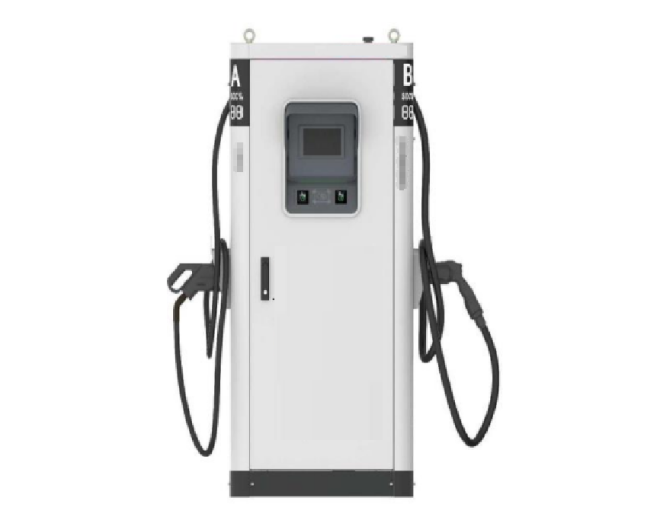
EV charging piles are broadly categorized into three types: wall-mounted, floor-mounted, and portable chargers. Each type has distinct functionalities and is suited to particular environments and usage scenarios. Wall-mounted chargers are typically used in residential settings, offering a convenient and space-saving solution. Floor-mounted charging piles are more robust, ideal for commercial or public spaces where durability and high-capacity charging are required. Portable chargers, on the other hand, provide flexibility and are perfect for users who require a mobile charging solution.
Selecting the appropriate type of charging pile from reliable EV charging pile manufacturers and suppliers, such as a reputable EV charging pile factory, is crucial. Wholesale EV charging piles are available for large installations, offering cost-effective solutions for businesses looking to deploy charging infrastructure on a larger scale.
Preparation Before Installation
Before diving into the installation of an EV charging pile, thorough preparation is key to ensuring a smooth and safe process. This involves evaluating the site conditions, gathering necessary tools and equipment, and making informed decisions regarding the installation process.
First, assess the electrical capacity of the site. It is vital to ensure that the existing electrical infrastructure can support the power requirements of the chosen EV charging pile. Consulting with a professional electrician is recommended to evaluate the current electrical setup and make necessary upgrades if needed. This step is particularly important when installing multiple charging piles, such as in a commercial parking lot, where the cumulative power demand can be significant.
Gathering the necessary tools and equipment is another essential preparatory step. This includes obtaining the appropriate mounting hardware for wall-mounted or floor-mounted chargers, as well as tools for electrical wiring and connections. Having the right equipment on hand will facilitate a more efficient installation process and mitigate the risk of complications arising due to inadequate tools.
Choosing the Right Location
Selecting the optimal location for installing an EV charging pile is a critical decision that impacts both the efficiency and accessibility of the charging station. The choice between indoor and outdoor installation depends on several factors, including environmental conditions, user convenience, and space availability.
Indoor installations, such as in garages or covered parking areas, offer protection from harsh weather conditions, contributing to the longevity and reliability of the charging pile. Such locations are particularly suitable for wall-mounted chargers in residential settings, where the convenience of proximity is a significant advantage.
Outdoor installations, on the other hand, require careful consideration of weatherproofing and structural support. Floor-mounted chargers are often preferred in public parking lots or commercial spaces, where they can accommodate multiple vehicles and withstand environmental exposure. Ensuring accessibility and ease of use for potential users is crucial, and planners should strive for convenient locations that allow for smooth vehicle ingress and egress.
Types of EV Charging Pile Installations
When it comes to installing EV charging piles, several options are available, each with distinct advantages tailored to specific use cases. Understanding these options enables homeowners, businesses, and facility managers to make informed decisions about the most suitable installation type for their needs.
● Wall-Mounted Charging Piles
Wall-mounted chargers are an excellent choice for residential settings or areas with limited space. They are compact, cost-effective, and relatively easy to install, requiring minimal floor space. This type of installation is ideal for private parking spots or garages, where wall-mounted units can be conveniently positioned for easy access.
● Floor-Mounted Charging Piles
Floor-mounted charging piles are well-suited for commercial areas, public parking lots, and office zones. These robust structures are designed to withstand environmental conditions and high traffic volumes, making them perfect for outdoor installations. Floor-mounted chargers offer high power capacity and are often used for fast-charging applications in high-demand areas.
● Portable Charging Devices
Portable chargers provide unmatched flexibility and mobility. These plug-and-play devices are lightweight and do not require fixed installations, making them ideal for travel or emergency situations. While not as powerful as their stationary counterparts, portable chargers are a valuable addition to any EV owner's toolkit, offering a convenient backup option when fixed infrastructure is unavailable.
Safety Precautions for Installation
Safety is paramount when installing an EV charging pile. Proper installation and adherence to safety standards are essential to prevent electrical hazards and ensure the longevity of the equipment. Here, we outline crucial safety precautions to follow during the installation process.
● Importance of Professional Help
Engaging professional help is highly recommended for the installation of EV charging piles. Licensed electricians have the expertise to evaluate the site’s electrical infrastructure, perform necessary upgrades, and ensure compliance with regulatory standards. This minimizes the risk of overloading circuits or improper wiring, which could lead to safety hazards.
● Ensuring Compliance with Electrical Standards
Adhering to electrical standards and guidelines is essential to guarantee the safe operation of charging piles. This includes using appropriate wiring, ensuring proper grounding, and following the manufacturer’s instructions for installation. Neglecting compliance can result in serious electrical faults, posing risks to both users and the infrastructure.
Installation Process for Wall-Mounted Chargers
Installing a wall-mounted EV charging pile involves a series of steps that need to be meticulously followed to ensure a secure and functional setup. Below is a step-by-step guide to aid in the successful installation of wall-mounted chargers.
● Step-by-Step Guide
1. Site Preparation : Begin by preparing the installation site. Ensure the wall surface is sturdy enough to support the charger and that there is adequate space for vehicle maneuvering.
2. Mounting the Charger : Use the provided mounting hardware to secure the charging unit onto the wall. Follow the manufacturer’s instructions to ensure a stable and robust installation.
3. Electrical Connections : Connect the charger to the electrical supply using the appropriate wiring. Make certain all connections are secure and that the system is properly grounded.
4. Testing the Installation : Once the installation is complete, perform a comprehensive test to ensure the charger is functioning correctly. This includes verifying the output voltage and ensuring there are no faults in the system.
● Tips for Securing the Charging Unit
Ensure that the charging unit is firmly anchored to prevent accidental displacement. Use appropriate fasteners and brackets, and double-check all connections for tightness and stability. Position the charging unit at a convenient height for ease of access while ensuring that it is out of reach of small children to prevent accidents.
Installing
● Floor-Mounted Charging Piles
Floor-mounted charging piles are favored for their durability and high-capacity charging capabilities. Here’s a guide to installing these robust units, particularly for outdoor environments.
● Considerations for Outdoor Use
Outdoor installations require additional considerations to protect the equipment from environmental factors such as rain, wind, and temperature fluctuations. Charging piles must be weatherproofed, and protective enclosures may be necessary to shield electronic components from moisture and debris.
● Weatherproofing and Structural Support
Selecting a charging pile with a high ingress protection (IP) rating is crucial for outdoor installations. This ensures the unit can withstand exposure to dust and water. Additionally, structural support is essential to prevent tipping or damage from external forces, particularly in public areas where the equipment may be subject to accidental collisions.
Portable Charging Options and Installations
Portable charging devices provide a versatile solution for EV owners who require flexibility and mobility. Understanding the benefits and limitations of portable chargers is key to leveraging their potential effectively.
● Benefits of Flexibility and Mobility
Portable chargers are lightweight and easy to transport, making them perfect for road trips or emergency charging scenarios. They can be plugged into standard electrical outlets, providing a convenient and accessible charging solution when fixed infrastructure is unavailable.
● Limitations and Best Use Scenarios
While portable chargers are convenient, they typically offer slower charging speeds compared to stationary units. As such, they are best used as supplementary charging solutions rather than primary sources. In emergency situations or for users with infrequent charging needs, portable chargers are invaluable tools.
Post-Installation Maintenance Tips
Maintaining an EV charging pile post-installation is crucial for ensuring its longevity and efficient operation. Regular maintenance and inspections are necessary to address potential issues before they escalate into significant problems.
● Routine Inspections and Cleaning
Conduct routine inspections of the charging pile to identify signs of wear or damage. Check cables and connectors for fraying or looseness, and tighten or replace components as necessary. Regular cleaning of the charging unit, particularly in outdoor installations, is essential to prevent the accumulation of dirt and debris that could impede functionality.
● Addressing Common Technical Issues
If a charging pile exhibits significant decreases in charging speed or overheating, investigate potential causes such as faulty components or poor electrical connections. In such cases, professional repair services should be sought to ensure safety and reliability. Avoid DIY repairs, which can exacerbate issues and pose risks to users.
Future-Proofing Your EV Charging Setup
With the rapid advancement of technology and the growing demand for EV charging infrastructure, future-proofing your charging setup is essential. Planning for scalability and upgradability ensures that your investment remains relevant and valuable.
● Upgradability and Scalability
Choose charging piles that offer upgradeable features, such as modular designs that allow for increased power capacity or additional functionalities. Planning for scalability is crucial for businesses or facilities that anticipate increased demand for EV charging in the future.
● Keeping Up with Advancing Technologies
Stay informed about the latest developments in EV charging technology. This includes emerging standards for faster charging, smarter energy management systems, and integration with renewable energy sources. Keeping abreast of advancements ensures that your EV charging setup remains at the forefront of efficiency and innovation.
---
● Conclusion
Installing an EV charging pile safely and effectively is a multifaceted process that requires careful consideration and planning. By understanding the various installation types, preparing adequately, and adhering to safety standards, individuals and businesses can ensure a reliable and efficient charging infrastructure. Whether opting for a wall-mounted, floor-mounted, or portable charger, selecting a quality EV charging pile from a trusted manufacturer or supplier is paramount.
Golong, established in 2015, is a frontrunner in the development and application of intelligent big data products and services. With expertise spanning the Internet of Things, face recognition, and digital currency, Golong leads the way in software and hardware product innovation and operation services. The company’s commitment to technological advancement and quality service positions it as a leader in creating cutting-edge solutions for public transportation and beyond.
