

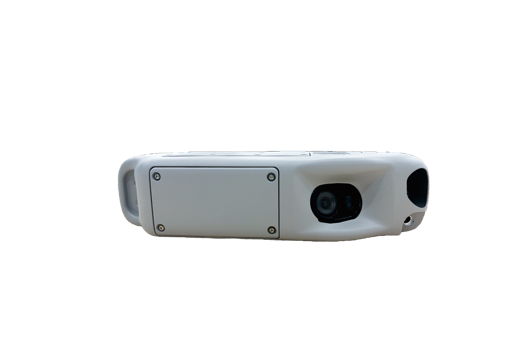
Introduction: The Shift Toward Digital Parking Solutions
As urban landscapes evolve, cities worldwide are transitioning from traditional coin-operated parking meters to electronic parking meter systems. This shift is driven by technological advancements and the need for efficient urban management. As electronic parking meter manufacturers, suppliers, and factories expand their reach, the wholesale electronic parking meter market thrives, offering cities innovative solutions to age-old parking challenges.
The Rise of Digital Parking Solutions
● Evolution from Coin-Operated Meters
Coin-operated parking meters, once the norm, are becoming obsolete in the face of digital transformation. The transition to electronic parking meters marks a significant technological leap, providing cities with modernized, user-friendly systems that offer more than just basic parking functions.
● Introduction of Electronic Kiosks and Apps
Electronic parking meters are not limited to physical installations; they include smartphone apps that simplify payment processes. These apps allow users to pay, extend parking time, and receive alerts when time is running out, enhancing the overall parking experience.
Benefits of Electronic Parking Meters for Urban Planning
● Dynamic Pricing Based on Demand
Electronic parking meters facilitate dynamic pricing models. Cities can adjust parking fees based on demand, time, and location, optimizing space utilization and traffic flow. This adaptability provides cities with a powerful tool to manage urban congestion efficiently.
● Environmental Incentives for Low-Emission Vehicles
Some electronic parking systems offer reduced rates for low-emission vehicles, promoting environmental sustainability. By incentivizing green transportation, cities are reducing their carbon footprint and encouraging residents to adopt eco-friendly practices.
Reducing Traffic Congestion Through Smart Parking
● Adjusting Parking Availability and Pricing
Smart parking solutions adjust availability and pricing in real-time, based on congestion and demand. This flexibility helps alleviate urban traffic issues, directing drivers to available spaces and reducing unnecessary circling and idling.
● Encouraging Alternative Transportation Options
By strategically raising parking fees and reducing availability, cities can discourage car use and promote alternative transportation methods. This shift not only eases traffic congestion but also encourages the use of public transit and cycling.
Economic Implications for Cities
● Revenue Generation Through Digital Parking Systems
The implementation of electronic parking meters enhances city revenues through efficient fee collection and reduced operational costs. The data generated by these systems provides valuable insights for urban planning and development strategies.
● Cost Savings on Meter Maintenance and Staffing
Traditional meters require regular maintenance and staffing for fee collection. In contrast, electronic systems minimize these costs by automating payments and reducing the need for physical upkeep and manual labor.
User Experience: Convenience and Challenges
● Advantages of Cashless Transactions
Electronic parking meters offer the convenience of cashless transactions, eliminating the need for coins and reducing the risk of vandalism. Users can pay via credit cards or mobile apps, streamlining the process and improving user satisfaction.
● Common Issues with App Usability and Reliability
Despite their benefits, electronic parking meters are not without challenges. Users often encounter issues with app reliability and system glitches, highlighting the need for ongoing improvements and user-centric design enhancements.
Environmental Benefits of Smarter Parking Management
● Reducing Car Emissions and Urban Pollution
By optimizing parking management, cities can significantly cut down on emissions. Electronic parking meters help reduce the time vehicles spend idling or searching for spots, contributing to cleaner air and healthier urban environments.
● Promoting Sustainable Transportation Methods
The integration of electronic parking meters into urban landscapes encourages sustainable transportation options. By supporting transit-oriented development and non-motorized transportation, cities can foster a more sustainable future.
Technological Innovations in Parking Systems
● Integration with Smartphones and GPS Technology
Modern electronic parking meters integrate seamlessly with smartphones and GPS technology, offering users real-time updates and guidance to available parking spots. This connectivity enhances the efficiency and ease of urban parking.
● Future Advancements in Automated Parking Solutions
As technology advances, the potential for fully automated parking solutions becomes a reality. Future developments may include AI-driven parking systems that further transform the urban parking experience.
Public Perception and Adaptation Challenges
● Initial Resistance to New Parking Technologies
The transition to electronic parking meters has met with some public resistance, often due to unfamiliarity with new technology. Addressing these concerns through education and user-friendly designs is essential for successful adoption.
● Strategies for Improving User Acceptance and Satisfaction
To overcome resistance, electronic parking meter suppliers and manufacturers focus on enhancing user experiences. Simplifying interfaces, improving app functionality, and providing customer support are key strategies for achieving widespread acceptance.
Case Studies: Cities Leading the Way
● Examples of Successful Implementation in Major Cities
Cities like San Francisco, New York, and London have successfully implemented electronic parking meter systems, showcasing their benefits in managing urban parking challenges. These case studies offer valuable insights for other cities considering similar transitions.
● Lessons Learned from Early Adopters
Early adopters of electronic parking meters have provided important lessons in system implementation and user engagement. Their experiences highlight best practices and common pitfalls, guiding future projects toward success.
The Future of Urban Mobility and Parking
● The Role of Parking Technology in Smart Cities
Electronic parking meters are integral to the development of smart cities. As urban areas become more connected, parking technology will play a crucial role in creating efficient, sustainable, and livable environments.
● Implications for City Infrastructure and Planning
The widespread adoption of electronic parking meters prompts significant changes in city infrastructure and planning. These systems provide valuable data for decision-making, enabling cities to optimize transportation networks and improve urban living.
Conclusion
As the demand for efficient urban management grows, the transition to electronic parking meters becomes increasingly appealing for cities worldwide. The benefits of these systems, from reducing congestion to promoting sustainability, are driving this digital revolution. With continued innovation and adaptation, electronic parking meters will play a pivotal role in shaping the future of urban environments.
● About Golong
Golong, established in 2015, excels in public transportation payment systems and Internet intelligent big data products. Leading in Internet of Things, face recognition, travel payment, and digital currency, Golong has revolutionized electronic systems with a strong global presence. Their innovative solutions in smart parking and transportation have set industry standards, enhancing urban efficiency and sustainability.
