

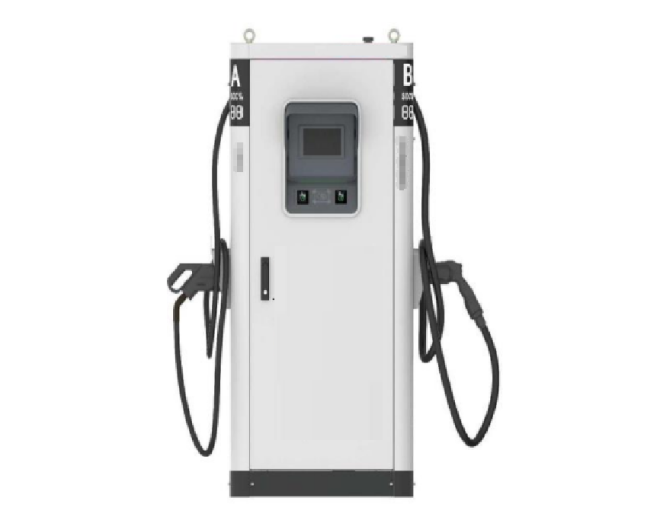
As electric vehicles (EVs) continue to gain popularity, understanding the benefits and implications of EV charging stations becomes crucial for both current and potential EV owners. From economic advantages to environmental impacts, the presence and expansion of EV charging infrastructure offer a range of benefits that cater not only to drivers but also to the broader community. This article delves into these benefits, exploring how they enhance the EV driving experience and support sustainable practices.
Economic Benefits of EV Charging Stations
● Cost Savings for Drivers Compared to Traditional Fuels
One of the most significant benefits of EV charging stations is the potential for cost savings. Electricity is generally cheaper than gasoline or diesel, allowing drivers to save money on fuel over time. As more wholesale EV charging station options become available, the cost of charging infrastructure is likely to decrease, further enhancing these savings.
● Incentives and Tax Credits for EV Owners
Governments around the world recognize the environmental benefits of electric vehicles and often offer incentives and tax credits to encourage adoption. These financial incentives can significantly reduce the purchase cost of an EV and the installation cost of home charging stations, making them more accessible to a broader audience.
Environmental Advantages of EV Charging
● Reduction of Carbon Emissions
Electric vehicles produce zero tailpipe emissions, which significantly reduces the overall carbon footprint of personal transportation. By utilizing energy from renewable sources, such as solar or wind, EV charging stations further minimize environmental impact, contributing to cleaner air and a more sustainable future.
● Contribution to Cleaner Air and Sustainable Energy Use
EV charging stations support the shift towards cleaner energy sources. As utilities and governments invest in renewable energy, the grid's overall carbon intensity decreases, meaning that the energy used to charge EVs becomes progressively cleaner. This transition supports global efforts to combat climate change and promotes sustainable energy use.
Convenience of Home and Public Charging
● Accessibility and Availability of Charging Options
The proliferation of EV charging stations has made charging more accessible than ever. Public charging stations are increasingly available in urban areas, shopping centers, and along major highways, ensuring that EV drivers have ample opportunities to charge their vehicles. This accessibility reduces the likelihood of being stranded without power and adds to the convenience of owning an EV.
● Differences Between Home and Public Charging Stations
Home charging stations offer the convenience of charging overnight or during off-peak hours, often at lower electricity rates. Conversely, public charging stations provide faster charging options for those on the go. Both home and public stations play integral roles in ensuring drivers can maintain their vehicle's charge efficiently.
Technological Innovations in Charging Stations
● Advancements in Charging Speed and Efficiency
Technological advancements have led to significant improvements in charging speed and efficiency. DC fast chargers, for instance, can charge a vehicle's battery to 80% in as little as 30 minutes. This rapid charging capability is essential for long-distance travel, making EVs more viable for a wider range of driving needs.
● Integration with Smart Grid Technology for Optimal Energy Use
The integration of EV charging stations with smart grid technology optimizes energy use by balancing demand and supply. This technology allows charging stations to communicate with the grid, ensuring energy is used efficiently and effectively, and reducing stress on the electrical infrastructure.
Role of Charging Stations in Range Anxiety Reduction
● Assurance of Extensive Charging Network Coverage
Range anxiety, or the fear of running out of battery power before reaching a charging station, has been a significant barrier to EV adoption. However, the expansion of EV charging infrastructure reduces this anxiety by ensuring that drivers have access to a reliable network of charging stations. This assurance is critical in building confidence among potential EV buyers.
● Psychological Benefits and Increased Confidence for Drivers
Knowing that charging stations are readily available along their route provides drivers with peace of mind. This increased confidence can lead to more frequent use of electric vehicles, contributing to broader adoption and a shift away from fossil-fuel-powered transportation.
Economic Opportunities for Local Communities
● Job Creation in the Electric Vehicle Sector
The growth of EV charging infrastructure presents numerous opportunities for job creation. From the installation and maintenance of charging stations to roles in the manufacturing and supply chain, the EV sector supports a wide range of employment opportunities, boosting local economies.
● Boost to Local Businesses and Real Estate Through Station Installations
Installing EV charging stations can increase foot traffic to nearby businesses as drivers often spend time in the area while their vehicles charge. Additionally, properties equipped with charging infrastructure are more attractive to eco-conscious buyers and tenants, potentially increasing property values and demand.
Impact of Charging Stations on Property Value
● Increased Value of Properties Equipped with Charging Stations
As electric vehicles become more common, properties with EV charging stations are likely to see an increase in value. Homebuyers and real estate investors recognize the convenience and future-proofing potential of these installations, making them a desirable feature in residential and commercial properties alike.
● Attraction of Eco-Conscious Tenants and Buyers
Properties that support sustainable living through EV charging stations attract eco-conscious individuals who prioritize environmental responsibility. This growing demographic is willing to pay a premium for accommodations that align with their values, benefiting property owners who invest in charging infrastructure.
Energy Cost Management for Drivers
● Tips for Minimizing Charging Costs Through Off-Peak Charging
EV drivers can minimize their charging costs by taking advantage of time-of-use electricity rates. Charging during off-peak hours, when electricity demand and prices are lower, can lead to significant savings over time. Many home charging stations come with timers or apps that allow drivers to schedule charging sessions accordingly.
● Use of Energy-Efficient Charging Practices
Energy-efficient charging practices, such as avoiding complete charges and discharges, can extend battery life and improve overall efficiency. Drivers are encouraged to maintain a state of charge between 20% and 80% to preserve battery health and reduce long-term costs.
Regulatory and Policy Support for Charging Infrastructure
● Government Policies Promoting the Adoption of EV Charging Stations
Governments around the world implement policies and regulations to promote the adoption of EV charging stations. These policies often include incentives for station installation, funding for infrastructure projects, and mandates for charging networks, all of which drive the expansion of the EV market.
● Impact of Regulatory Frameworks on Station Expansion
Regulatory frameworks help standardize charging infrastructure, ensuring compatibility and reliability across networks. These frameworks also provide guidelines for safety and accessibility, ensuring that charging stations are available to a diverse range of users, including those with disabilities.
Future Trends in EV Charging Solutions
● Emerging Technologies Such as Wireless Charging
The future of EV charging solutions includes exciting technologies like wireless charging, which enables vehicles to charge without being physically connected to a station. This technology promises to revolutionize the convenience of charging, making it as simple as parking the vehicle.
● Predictions for the Evolution of EV Charging Networks
As the EV industry continues to grow, charging networks will evolve to meet changing demands. Increased integration with renewable energy sources, the rise of ultra-fast charging stations, and the expansion of charging networks in rural areas are just a few trends expected to shape the future of EV charging.
Conclusion: Golong and the EV Charging Revolution
As a leader in technology and innovation, Golong is dedicated to supporting the EV charging revolution. Established in 2015, Golong focuses on developing public transportation payment systems and intelligent big data products. With expertise in the Internet, Internet of Things, and digital currency, Golong is poised to contribute significantly to the EV industry, providing cutting-edge solutions to support sustainable transportation.
