Introduction
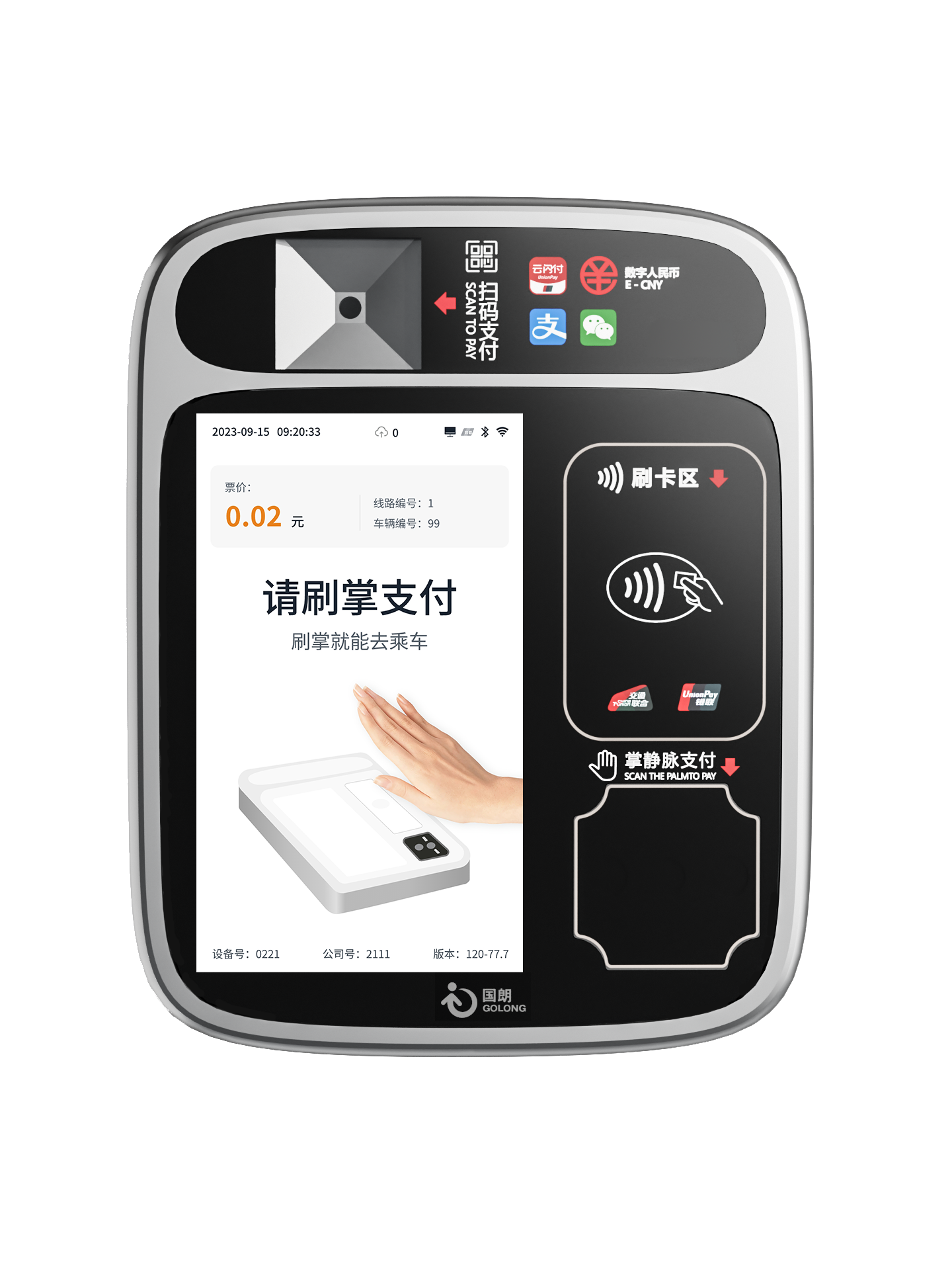
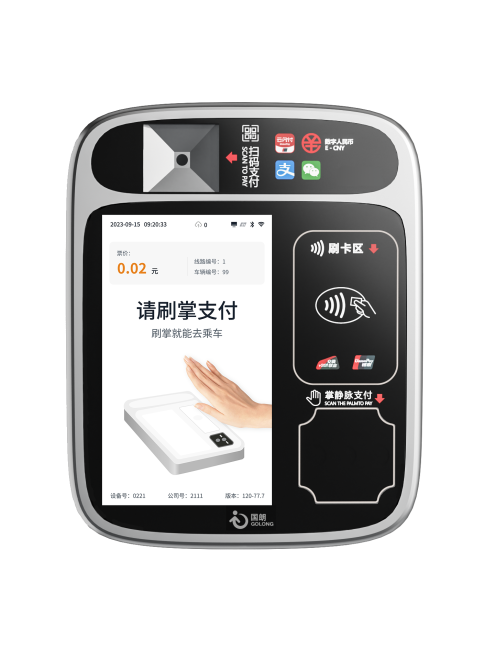
In recent years, the bus ticket validator industry has emerged as a cornerstone of modern public transportation systems. As urbanization accelerates and smart cities become a global reality, the demand for efficient, reliable, and tech-savvy fare collection systems has intensified. A bus ticket validator not only facilitates fare collection but also plays a pivotal role in transforming transportation networks into seamless, user-friendly ecosystems. This article explores the innovations shaping the bus ticket validator market, including the role of wholesale bus ticket validator suppliers, the influence of bus ticket validator manufacturers, and insights into bus ticket validator factories.
Technological Advancements in Fare Collection
● Contactless Payment Solutions
The advent of contactless payment solutions has revolutionized the bus ticket validator market. By eliminating the need for physical cash transactions, contactless technology offers both speed and convenience, enhancing the passenger experience significantly. The ability to pay fares with a simple tap of a card or smartphone has led to a surge in the adoption of validators equipped with near-field communication (NFC) and radio-frequency identification (RFID) technologies.
● Integration with Mobile Ticketing Apps
Mobile ticketing apps have further elevated the capabilities of bus ticket validators. These applications allow passengers to purchase tickets digitally, store them on their devices, and present them at validators for scanning. The integration of these apps with bus ticket validators has provided a seamless, all-in-one solution for passengers, reducing wait times and streamlining the boarding process. Bus ticket validator suppliers are now focusing on developing systems that are compatible with a wide range of mobile platforms, ensuring broad accessibility.
The Role of Smart Cities in Market Growth
● Impact of Smart City Initiatives
Smart city initiatives across the globe are instrumental in driving growth in the bus ticket validator market. These initiatives prioritize the modernization of public transportation systems, incorporating technologies that enhance operational efficiency and connectivity. Smart cities employ advanced data analytics, IoT, and cloud-based solutions to manage traffic patterns, optimize routes, and improve the overall quality of urban mobility. Bus ticket validator manufacturers are increasingly aligning their products with these smart city goals, producing validators that integrate seamlessly into broader urban transportation networks.
● Adoption of Automated Fare Systems
Automated fare collection systems are becoming a staple in smart city transportation frameworks. By integrating advanced validators capable of handling contactless and digital payments, transit authorities can streamline operations, reduce human error, and improve the accuracy of fare collection. Automated systems also enable transit operators to gather valuable data on passenger flow and behavior, which can be used to enhance service delivery and customer satisfaction.
Sustainable and Eco-Friendly Innovations
● Shift to Digital Payment Solutions
The transition from cash-based to digital payment systems is not only a technological advancement but also an eco-friendly initiative. By reducing the reliance on paper tickets and coins, transportation systems can lower their environmental footprint and promote sustainability. Bus ticket validator factories are now producing validators that support digital currencies and mobile wallet payments, aligning with global efforts to reduce waste and promote green practices.
● Benefits of Reducing Cash Transactions
Reducing cash transactions in public transportation systems has numerous benefits, including enhanced security, lower operational costs, and faster transaction times. Validators that support multiple forms of electronic payments reduce the need for ticket booths and cash handling, allowing transit operators to reallocate resources to other critical areas. Furthermore, the decrease in cash handling minimizes the risk of theft and fraud, creating a safer environment for both passengers and staff.
IoT and Cloud-Based Solutions in Transportation
● Enhancements in Real-Time Data Analytics
IoT and cloud-based solutions have become integral to the operation of modern bus ticket validators. These technologies allow for real-time data collection and analysis, providing transit authorities with insights into passenger behavior, system performance, and revenue streams. By leveraging cloud-based platforms, bus ticket validator suppliers can offer scalable solutions that adapt to changing needs and demands, ensuring optimal performance and flexibility.
● Improved User Experiences Through Technology
The integration of IoT and cloud technologies in bus ticket validators has significantly improved the user experience. Passengers benefit from faster boarding processes, real-time updates on route changes, and access to a wide range of payment options. Bus ticket validator manufacturers are continuously developing new features that enhance user interaction, such as digital displays, voice assistance, and multilingual support.
Regional Variations and Market Dynamics
● Comparative Analysis of Developed vs. Emerging Regions
The bus ticket validator market exhibits notable differences between developed and emerging regions. In developed areas such as North America and Europe, the focus is on enhancing existing infrastructure with high-tech solutions. These regions have a strong demand for premium products that offer advanced functionalities and integration capabilities. Conversely, emerging regions in Asia-Pacific, Latin America, and Africa are experiencing rapid urbanization and industrialization, driving the need for cost-effective and adaptable solutions. Suppliers in these regions often prioritize affordability and durability, catering to a burgeoning middle-class population.
● Influence of Economic and Cultural Factors
Economic and cultural factors significantly influence the adoption and implementation of bus ticket validators across different regions. In areas with high consumer purchasing power, there is a strong preference for advanced, feature-rich validators. Cultural preferences also play a role, affecting the design and functionality of validators to suit local needs and expectations. For instance, in some regions, there is a higher demand for validators that support multiple languages or specific payment methods favored by the local population.
Market Segmentation and Consumer Preferences
● Insights on Demographics and Product Types
Understanding the demographics and preferences of consumers is crucial for bus ticket validator suppliers. The market is segmented based on factors like age, income, and location, influencing the type of products offered. For instance, younger demographics may prefer validators that integrate with smartphones and digital wallets, while older populations might prioritize ease of use and accessibility.
● Applications and End-User Analysis
Bus ticket validators are deployed in various applications, from public buses to private transportation services. Each application has specific requirements and challenges, prompting a tailored approach from manufacturers and suppliers. By analyzing end-user needs, companies can develop customized solutions that enhance user satisfaction and operational efficiency.
Challenges and Opportunities in the Industry
● Competitive Pressures and Regulatory Challenges
The bus ticket validator market is highly competitive, with manufacturers and suppliers constantly striving to offer superior products at competitive prices. This competition drives innovation but also poses challenges in differentiating offerings. Additionally, regulatory standards and compliance requirements can be stringent, requiring companies to adapt and ensure their products meet specific guidelines.
● Emerging Opportunities in Technology and Eco-Friendliness
Despite the challenges, the industry is ripe with opportunities, particularly in technology and sustainability. As the global focus shifts towards eco-friendly solutions, suppliers and manufacturers have the chance to lead the way by developing products that align with these values. Technological advancements in areas like AI and machine learning offer new possibilities for enhancing the functionality and intelligence of bus ticket validators.
Future Prospects and Industry Projections
● Growth Potential and Market Forecasts
The future of the bus ticket validator market looks promising, with significant growth potential driven by technological advancements and increasing urbanization. Market forecasts predict a steady rise in demand for innovative solutions that enhance passenger convenience and streamline operations. The integration of AI, IoT, and advanced analytics is expected to further propel the market forward.
● Factors Influencing Future Developments in the Market
Several factors will shape the future trajectory of the bus ticket validator market. These include technological breakthroughs, changes in consumer behavior, and evolving regulatory frameworks. As the industry continues to evolve, manufacturers and suppliers that remain agile and responsive to these changes will be well-positioned to capitalize on emerging opportunities.
Conclusion
The bus ticket validator market is undergoing a transformation, driven by the convergence of technology, sustainability, and user-centric design. As urban transportation systems continue to modernize, the role of bus ticket validators will become increasingly crucial in facilitating efficient and secure fare collection. Manufacturers, suppliers, and factories in this space are poised to play a pivotal role in shaping the future of public transportation, leveraging innovations that enhance both operational efficiency and passenger experience.
Company Profile: Golong
Established in 2015, Golong has positioned itself as a leader in the development and application of public transportation payment aggregation systems. With a strong focus on Internet, IoT, facial recognition, travel payment, and digital currency, Golong excels in both software and hardware product development. Renowned for its pioneering work in intelligent big data products and services, Golong continues to drive innovation in smart transport solutions, both domestically and internationally.