

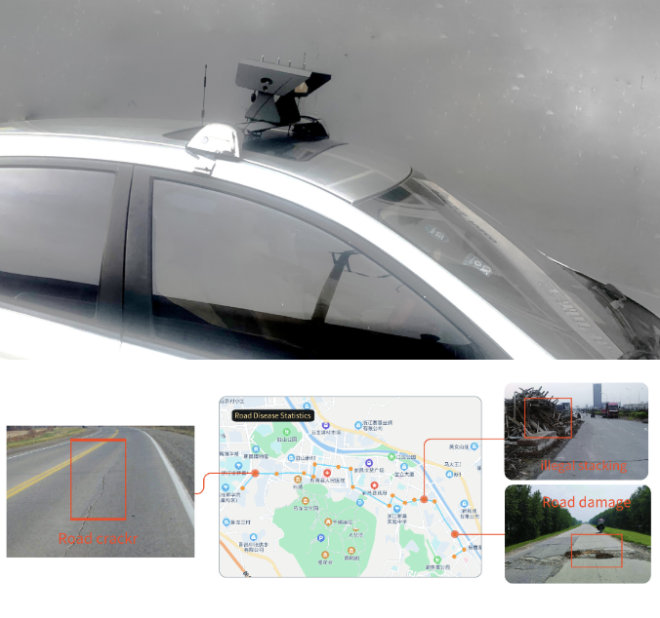
Traditional inspection methods face dual challenges of efficiency and cost.
As an important transportation hub city and commercial logistics center in Zhejiang Province, Wenzhou experiences high traffic flow and significant freight demand. Over time, the pressure on the roads has increased significantly, exacerbated by the growing number of trucks and commercial vehicles contributing to road deterioration. Faced with over 5,000 kilometers of roads and more than 200 inspection points, the traditional manual vehicle inspection model has proven to be insufficient.
Affected by complex factors such as weather and road conditions, manual inspections entail a high workload and low efficiency, making it difficult to achieve detailed management results. Additionally, high labor costs hinder the sustainable development of maintenance work. To address these challenges and achieve a digital upgrade in road inspection work, Wenzhou urgently needs to introduce technological measures to optimize the entire inspection process and enhance the refined management of road facilities, thus achieving efficient and precise road maintenance management goals.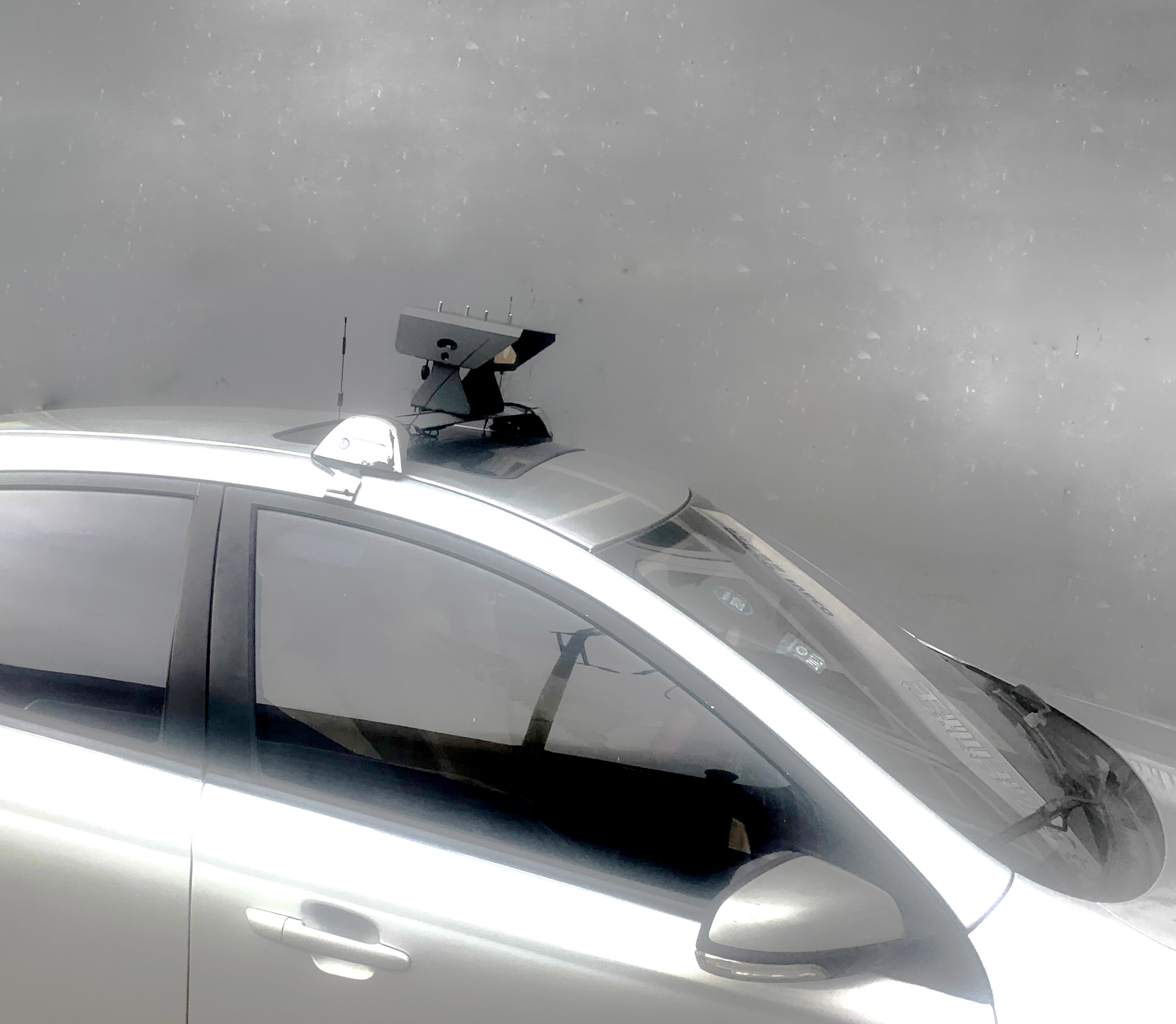
Creating a Digital Closed Loop for Road Maintenance System: Reshaping Inspection and Operation Management Processes
In response to the aforementioned challenges faced by Wenzhou's roads, Golong has proposed an AI Intelligent Road Inspection Solution to replace traditional manual inspection methods.
Using the inspection vehicle as a scenario, the Golong AI Intelligent Road Inspection Solution integrates "4K high-definition camera equipment + AI recognition onboard system + high-performance hard disk host" into one system. During regular operations, the inspection vehicles collect road surface video data using HD cameras, combining this with GIS visualization technology to generate high-precision digital models of road defects. AI algorithms then perform real-time detection, accurately identifying over 20 types of road defects and anomalies, including cracks, potholes, fissures, obstacles, and improperly suspended banners. All detection results are uploaded in real-time to the management backend via a 4G network, achieving panoramic and unified data collection and analysis of road issues.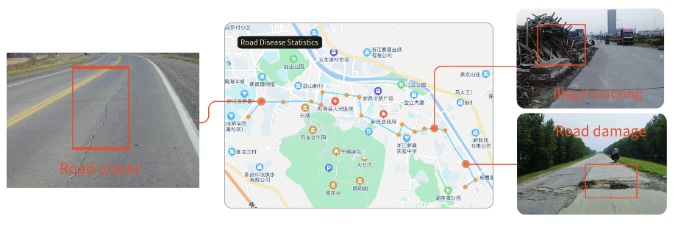
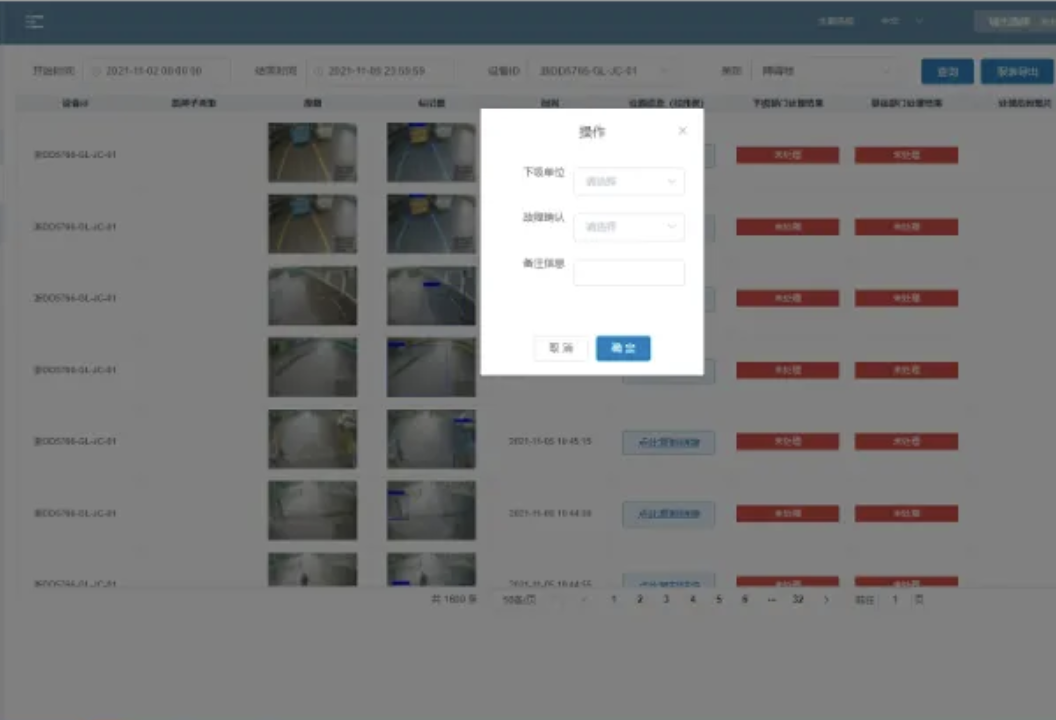
Once the enforcement team and big data bureau receive the uploaded data, they generate reports through the platform for issue categorization and analysis, quickly locating damaged road sections, intelligently screening problem categories, and precisely matching responsible units. These units can visually access information on defect types, GPS location data, and related images through the backend, enabling them to grasp the on-site situation and generate digital work orders. After addressing the issues, the responsible units must upload the results and on-site photos, completing the entire process from problem discovery to resolution in a closed loop.
The Golong AI Intelligent Road Inspection Solution extends digital management of road infrastructure across all stages of inspection, maintenance, and lifecycle management through comprehensive digital means. Dynamic digital management allows for real-time monitoring of road conditions, enabling refined management of maintenance work. Integrated operation and maintenance shift road inspection from traditional labor-based models to highly intelligent systems, significantly enhancing efficiency and accuracy while reducing the consumption of public resources and labor, thereby realizing genuine “cost reduction and efficiency enhancement.”
AI Intelligent Inspection: Precise Risk Prediction, Supporting Efficient Smart Traffic Management
The strength of the AI intelligent inspection system lies in its risk prediction capability. By analyzing types of road defects through intelligent models, it can preemptively prevent potential risks before problems occur, overcoming the traditional manual methods that suffer from inefficiency and lack of precision due to weather and road conditions. Additionally, the system's intelligent algorithms significantly improve defect identification accuracy, allowing for quick and efficient detection and classification of defect problems, ensuring the timely and scientific nature of road maintenance work.
Moreover, AI inspection not only effectively reduces overall road maintenance costs but also significantly lowers the safety risks faced by inspection personnel due to traditional manual operations, thereby greatly enhancing operational safety. In daily work, the system intelligently transforms the road defect inspection process, remarkably improving efficiency and aiding in the achievement of an efficient, precise, and low-risk smart traffic management system.
Comprehensively Enhancing the Intelligence and Efficiency of Highway Management and Maintenance
The implementation of the AI intelligent inspection system in Wenzhou City upgrades Golong's AI Intelligent Road Inspection Solution from traditional manual models to highly intelligent modes, effectively enhancing inspection efficiency and accuracy while driving the digital transformation of the inspection process. By preventing defect risks in advance through intelligent models, it overcomes the challenges of traditional manual inspections that suffer from low efficiency and poor precision due to weather and road conditions while significantly reducing inspection costs and safety risks, and enhancing both inspection efficiency and defect identification accuracy, providing strong support for defect type analysis and risk prediction.
Currently, the solution has been successfully applied in multiple cities, including Wenzhou, Huzhou, and Xinchang County, and has been widely recognized by clients.
The Golong AI Intelligent Road Inspection Solution provides a powerful tool for traffic management departments, not only improving the quality and efficiency of road inspections but also laying a solid technological foundation for the development of modern smart traffic systems, promoting traffic services to reach a higher level of intelligence.
AI Road Patrolling Four Scenarios
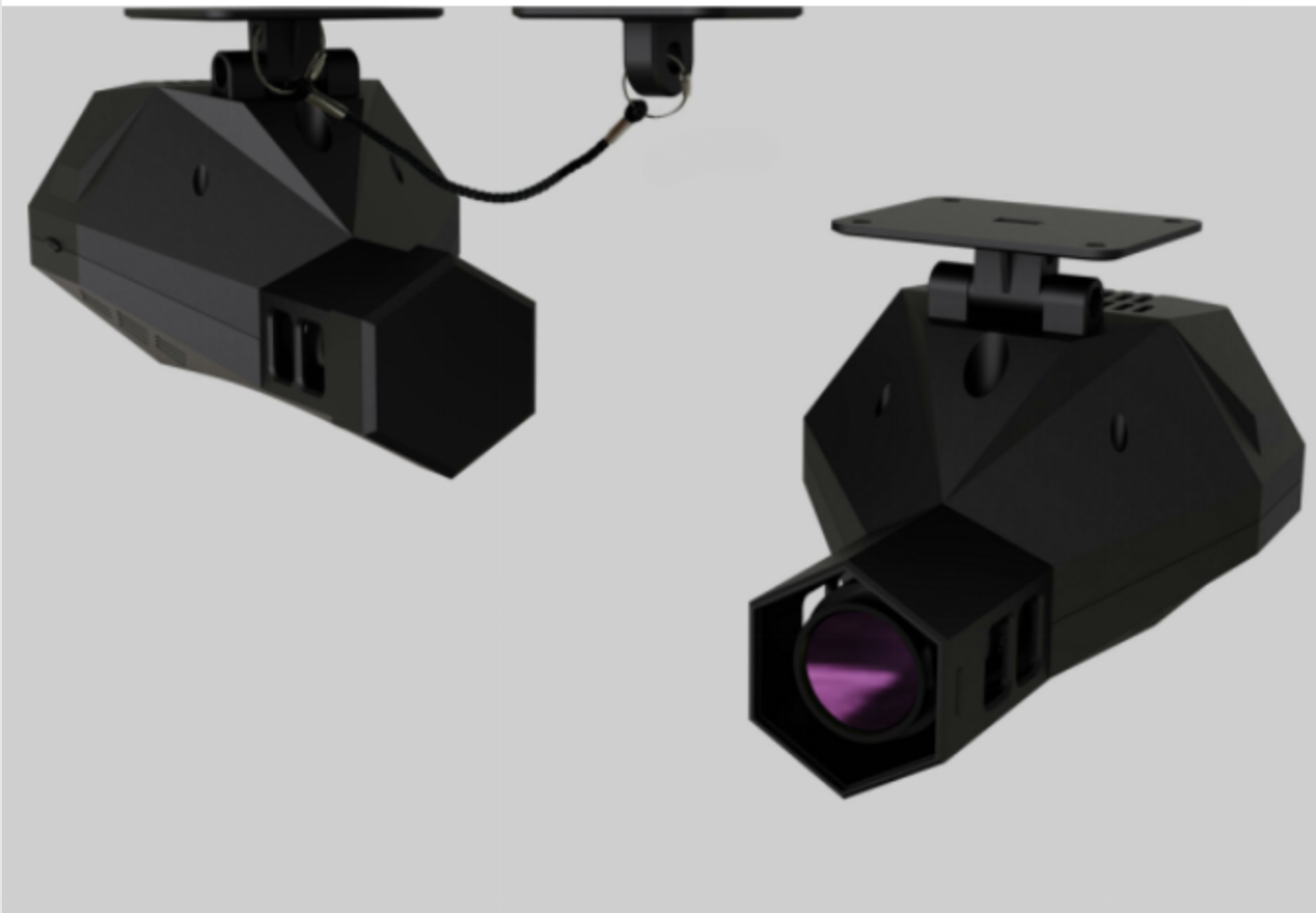
- Onboard Setup
- Intelligent Inspection
- Closed-loop Processing
- Risk Assessment
Intelligent Inspection Consists of Four Scenarios
Scenario 1: Use urban and rural passenger vehicles in Xinchang County as carriers, equipped with an AI-powered onboard brain and a high-definition road camera to replace manual inspections.
Scenario 2: While the passenger vehicle is in motion, the front 180-degree scene video is input into the onboard AI brain. After AI processing, images of simulated road defects or obstacles, along with GPS information, are uploaded to the cloud platform.
Scenario 3: The command center scans the issues and assigns them to different departments based on their type. The responsible units handle the reported issues based on the uploaded fault information and upload pictures and information after the repairs, making it easier to retrieve and achieving fully digital closed-loop management.
Scenario 4: Through analysis of historical big data and artificial intelligence, road sections with a high frequency of defects or obstructions are identified. The intelligent risk assessment model provides early warnings, allowing preventive measures. For example, if sand, bricks, or other debris suddenly appear by the roadside, the system can predict potential illegal construction activity.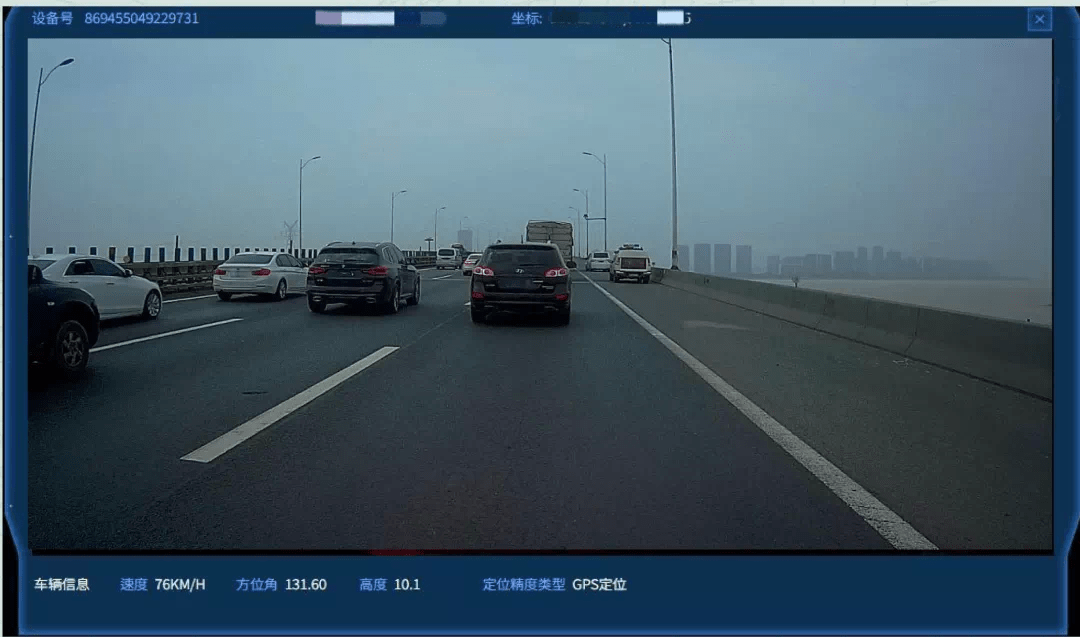
Three Major Achievements of Intelligent Inspection
1.Establishment of a Timely Road Issue Detection Mechanism
Previously, issue detection relied on manual inspections and public reports, leading to occasional delays. With the reform using "rural passenger transport + intelligent inspection equipment," integrated inspections of national, provincial, county, and rural roads are now conducted frequently, allowing early detection and resolution of issues, and enabling routine inspections. Problems can be analyzed for their causes and resolved promptly to prevent escalation.
2.Improvement of the Closed-loop Issue Resolution Process
Previously, issues were reported in workgroups but weren't tracked or followed up on, leading to communication gaps across departments. The reform enables classification and real-time feedback for road administration and maintenance issues.
3.Establishment of a Closed-loop Road Inspection Mechanism
Xinchang County has introduced the Highway Inspection Standards and the Guidelines for Handling Highway Inspection Issues and revised the Assessment Methods for Rural Highway Maintenance and Management. A series of policies have been formed, and with cloud computing and digital technologies, Xinchang will aim to establish a system where everyone can participate in intelligent road inspections, further improving road maintenance efficiency, saving manpower, and reducing costs.


1.Support 8-megapixel resolution and simultaneous detection across three lanes.
2.Video Streaming: Real-time road condition videos can be viewed through the backend.
3.Mass Data Storage: Store real-time video recordings with expandable storage capacity.
4.Real-Time Data Transmission: Transmit detection results in real-time.
5.Mobile Access: Support Android remote viewing of real-time vehicle video footage.
6.GPS Real-Time Positioning: Offer positioning frequency of >= 1Hz with a positioning accuracy error of no more than 5 meters.
7.Mileage and Track Playback: Tracks vehicle mileage and provides driving trajectory playback.
8.AI Model Updates: Automatically download and update deep learning models.
9.All-Weather Operation: Operate reliably under various environmental conditions.
10.Flexible Data Transmission: Support TCP/IP network transmission, wireless, or 4G transmission, allowing flexible user choices.
11.Instant Detection on Startup: Begin detection as soon as the vehicle starts without needing parameter configuration.
12.Algorithm Support: Support both frontend and backend algorithms as needed.