

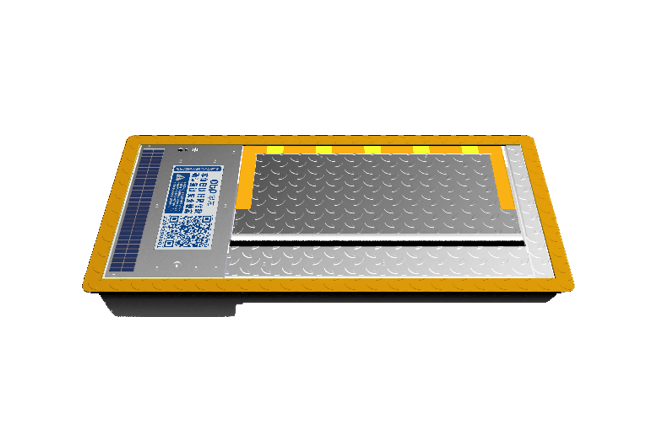
Understanding parking meter Ticket Basics
Parking meter tickets are a common occurrence in urban settings. These citations are typically issued when a vehicle is parked in a spot controlled by a meter that has expired or when other parking violations occur. Understanding the nuances of these tickets is crucial for anyone who finds themselves facing one. It is important to note that each city has its regulations and procedures for contesting parking tickets.
Initial Steps: Reviewing Your Parking Ticket
Check the Details on the Ticket
Upon receiving a parking meter ticket, the first step is to carefully examine the details. Check the time, date, and location of the alleged violation. Ensure that the meter number and your vehicle’s information are correct. An error in these details can be grounds for dismissal of the ticket.
Understanding Violation Codes and Fines
Every parking ticket will list a violation code that corresponds to the specific parking infraction. Familiarize yourself with these codes to better understand the alleged violation. The ticket will also mention the fine, which varies based on the type of violation and the city’s regulations.
Gathering Evidence: Building Your Case
Photographic Evidence
Taking photographs can be pivotal in contesting a parking ticket. Capture images of the parking meter, your vehicle, and any signage in the vicinity. These photos should clearly show the conditions at the time of the alleged violation.
Collecting Witness Statements
If there were witnesses present who can attest to your parking situation, gather their statements. Written declarations from witnesses can strengthen your case, especially if they support your claim that no violation occurred.
Submitting an Initial Review Request
Filing a Request Online
Most cities offer an online platform for disputing parking tickets. To file a request for an initial review, visit the appropriate website, provide the necessary ticket details, and submit any evidence you've collected. Look for options like uploading photos or attaching documents to build a comprehensive case.
Mail and In-Person Requests
If online submission is not possible, requests can often be mailed or submitted in person at designated locations. Ensure all documentation is complete and formatted according to city guidelines to avoid delays in processing.
Administrative Hearing Process Explained
Preparing for the Hearing
After the initial review, if the ticket is not dismissed, you may request an administrative hearing. This formal process involves presenting your case before a hearing officer. Prepare by organizing all evidence and reviewing your arguments.
Understanding Hearing Procedures
Familiarize yourself with the hearing procedures, which may vary between cities. Some hearings may be conducted in person, while others allow written declarations. Being prepared for the specific type of hearing can significantly impact the outcome.
Options for Low-Income Individuals
Pre-Payment Waivers
Certain cities offer pre-payment waivers for individuals who meet specific income criteria, allowing them to contest a ticket without an upfront payment. Check local guidelines to determine eligibility and apply for waivers if you qualify.
Utilizing Community Assistance Programs
Many cities have community assistance programs aimed at helping low-income residents with parking fines. These programs can provide financial relief or guidance in navigating the contestation process.
Submitting a Hearing by Written Declaration
Crafting a Persuasive Declaration
For those unable to attend in person, a written declaration is an option. This document should clearly outline your argument and be supported by evidence. Strong, clear writing can make a compelling case in your absence.
Including All Necessary Evidence
Attach all evidence that supports your claim. This includes photographs, witness statements, and any other documentation relevant to the case. Ensure your declaration is comprehensive and well-organized.
Finalizing Your Dispute through an In-Person Hearing
Expectations During the Hearing
During an in-person hearing, you will present your case directly to the hearing officer. Be clear and concise, and be prepared to answer questions. Your demeanor and presentation can influence the hearing's outcome.
Post-Hearing Procedures
After the hearing, you will receive the decision via mail or email. If the ruling is in your favor, any fines paid will typically be refunded. If not, further appeals may be limited, so understanding your rights and options is crucial.
Post-Hearing: Understanding Decision Outcomes
Possible Outcomes and Next Steps
The hearing can result in the ticket being upheld, dismissed, or reduced. If the ticket is upheld, understand the payment process and any additional penalties. For dismissals, ensure any refunds are processed promptly.
Analyzing the Hearing Officer's Decision
Review the hearing officer’s decision carefully to understand the reasoning behind the outcome. This analysis can be valuable for any future disputes you might encounter.
Avoiding Future Parking Meter Tickets
Understanding Local Parking Regulations
To prevent future tickets, familiarize yourself with local parking laws and regulations. Pay attention to signage, time limits, and any specific rules regarding parking meters.
Utilizing Technology for Reminders
Consider using mobile apps or alarms to remind you of meter expiration times. Many apps provide real-time updates and can help you avoid fines by ensuring timely meter payments.
Golong Provide Solutions
At Golong, we offer comprehensive solutions for individuals and businesses dealing with parking ticket disputes. Our services include consultation on evidence collection, guidance on procedural adherence, and representation during hearings. We work closely with clients, including wholesalers, manufacturers, and factory operators, to ensure a strategic approach in contesting parking citations. Trust Golong for expert assistance in navigating the complexities of parking violations.
