

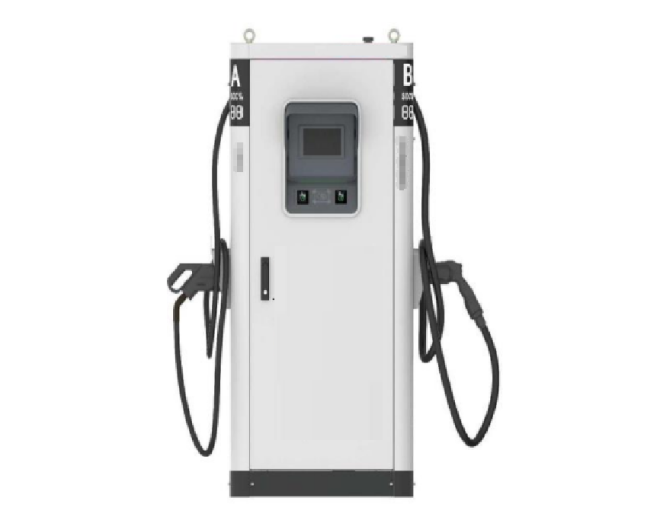
Introduction to EV charging piles
Electric vehicles (EVs) have become a cornerstone of the automotive industry, necessitating the development of efficient charging solutions. EV charging piles are crucial components in this ecosystem, categorized by varying power outputs, charging speeds, and installation environments. This article delves into the numerous types of EV charging piles available, optimizing understanding for both the consumer and the wholesale manufacturer.
AC Charging Piles Explained
Types of AC Charging Piles
AC charging piles, or Alternating Current chargers, are fundamental for everyday EV charging needs. They are typically divided into floor-mounted and wall-mounted types, serving different installation requirements. Floor-mounted AC piles are ideal for public spaces, while wall-mounted ones suit residential setups. These piles generally provide Level 2 charging, supplying up to 22 kW, ideal for overnight charging at home or at long-term parking facilities.
Features and Specifications
The efficiency of AC charging piles relies significantly on their technical specifications. Typically, they operate on 208–240 volts AC, with currents ranging from 16 to 80 amps. They often include smart features like scheduling, metering, and user authentication, making them an appealing choice for EV owners looking for reliable and affordable home charging solutions.
DC Charging Piles for Fast Charging
Understanding DC Charging Technology
Direct Current (DC) charging piles offer a much faster charging solution compared to their AC counterparts. Providing power outputs ranging from 50 kW up to 350 kW, DC fast chargers can replenish an EV battery from 20% to 80% in approximately 30 minutes. This makes them invaluable for quick turnarounds during road trips or in public charging stations.
Installation and Usage
DC charging piles are most commonly found in public and commercial spaces due to their high power requirements and cost. Their adoption is pivotal for service stations and rest stops aiming to cater to a growing number of EV users from a supplier perspective. Manufacturers of these piles focus on robust design to handle environmental stresses while maintaining optimal performance.
Home Charging Solutions
Wall-Mounted Charging Piles
Wall-mounted AC charging piles are particularly popular for home use due to their space-saving design and ease of installation. They typically provide 240 volts at 30 amps, allowing most EVs to fully charge overnight. They are an excellent choice for homeowners who value convenience and efficiency in their charging setups.
Considering Installation Costs
The cost of installing a home charging pile can vary, with average expenses ranging from $500 to $2,000, depending on the electrical infrastructure and installation complexity. Suppliers often provide packaged deals, including the charging pile and installation service, making it easier for consumers to transition to electric mobility.
Public vs. Private Charging Infrastructure
Public Charging Stations
Public charging stations are essential for the widespread adoption of electric vehicles. They are strategically positioned to minimize range anxiety and improve accessibility. Typically equipped with both AC and DC charging piles, these stations cater to diverse consumer needs and support longer travel distances.
Private Charging Facilities
Private charging solutions, including workplace and residential community chargers, offer exclusive access to a designated group of users. They enable EV owners to charge conveniently at their place of work or residence, reducing dependence on public infrastructure.
Comparing Charging Levels
Level 1, 2, and 3 Chargers
Charging piles are categorized into three main levels, each serving different needs. Level 1 chargers, using a standard household outlet, offer the slowest speed, ideal for overnight home charging. Level 2 chargers provide a moderate charging rate and are commonly used both at home and publicly. Level 3 chargers, or DC fast chargers, deliver rapid charging services, making them suitable for transient locations like highways.
Efficiency and Time Metrics
Level 1 charging adds about 2 to 5 miles of range per hour, while Level 2 charges between 10 and 60 miles in the same time frame. Conversely, a Level 3 charger can add 100 to 200 miles in 30 minutes. Wholesale manufacturers and suppliers need to consider these metrics when developing new charging solutions to meet varying consumer demands.
Mobile and Emergency Charging Solutions
Mobile Charging Options
Mobile charging trams serve as portable charging stations, essential during emergencies or in areas lacking charging infrastructure. They act as temporary solutions for stranded EVs, delivering power directly to vehicles in need.
Emergency Readiness and Accessibility
These mobile units are particularly beneficial for fleet operators and municipalities aiming to provide comprehensive emergency services. Suppliers focusing on these solutions contribute significantly to the resiliency of electric transport networks.
Technological Components of Charging Piles
Internal Systems and Safety
Charging piles consist of several key components, including the charging machine, interface systems, and safety mechanisms. Advanced technology ensures user safety and efficient energy transfer. Suppliers continuously innovate these components to enhance reliability and performance.
Communication and User Interaction
Charging piles often feature user-friendly interfaces, like touchscreens and RFID readers, facilitating easy and secure transactions. These interfaces are integral for enhancing user experience and promoting greater adoption of EV technology.
Economic and Environmental Impact
Commercial Opportunities
For businesses, investing in EV charging infrastructure offers significant financial benefits. Governments provide various incentives to manufacturers and suppliers investing in green technology, making it a lucrative area for innovation and development.
Sustainability and Conservation
Beyond economic incentives, the adoption of EV charging piles is vital for environmental conservation. By supporting electric vehicles, charging pile manufacturers and suppliers play a critical role in reducing carbon emissions and promoting sustainable energy use.
The Future of EV Charging Infrastructure
Trends and Innovations
The EV charging landscape is continually evolving, with trends pointing towards faster charging times and increased accessibility. Innovations such as wireless charging and integrated grid solutions are at the forefront of this development.
Global Market Expansion
Market growth is anticipated to continue as governments and businesses worldwide invest in electric vehicle infrastructure. Wholesale suppliers and manufacturers are expected to expand their offerings to accommodate a wider range of EV models and charging technologies.
Golong Provide Solutions
As a committed player in the EV infrastructure market, Golong provides comprehensive solutions tailored to meet diverse charging needs. We offer a range of charging piles, from AC to DC fast chargers, designed with the latest technology to ensure efficiency and safety. Our products are suitable for both public and private installations, facilitating convenience and accessibility for all EV users. At Golong, we understand the importance of innovation and sustainability, making us a trustworthy partner in the transition to electric mobility.
