Introduction to Parking Payment Machines
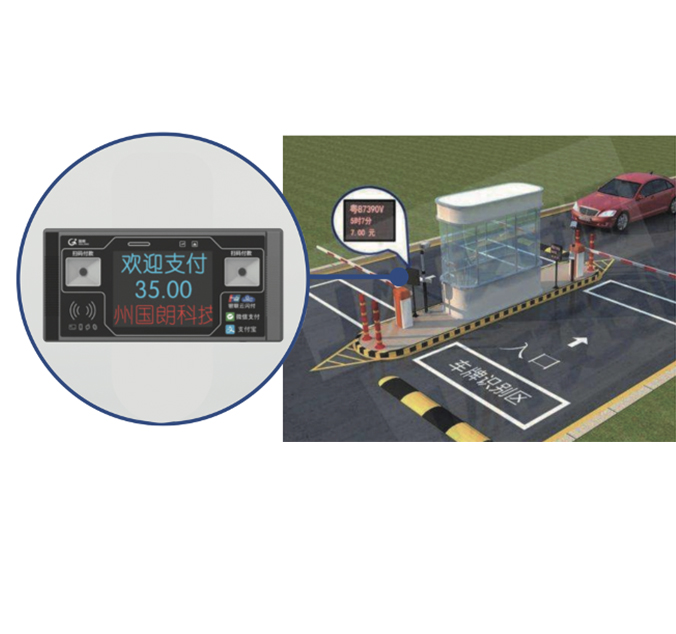
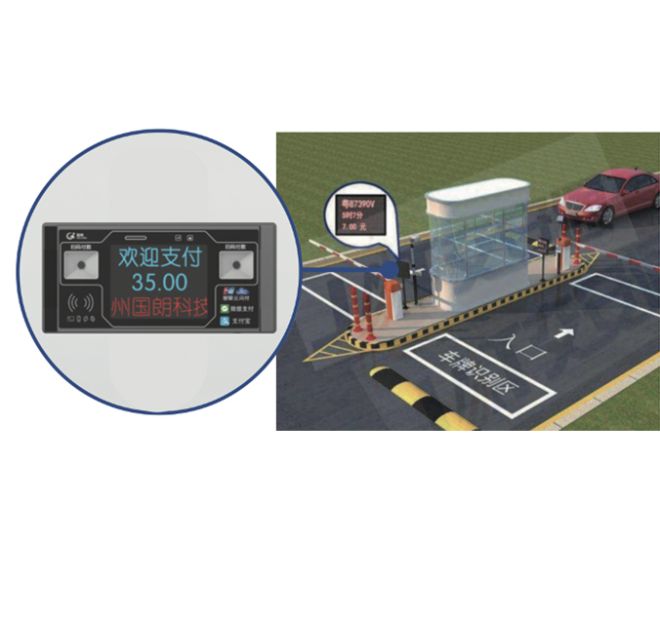
Parking payment machines have become an integral part of modern urban landscapes, facilitating the management of parking spaces in bustling city centers and residential areas. These devices not only streamline the process of paying for parking but also enhance efficiency and customer convenience. As cities grow and traffic congestion increases, the significance of effective parking solutions becomes paramount. In this article, we delve into the operational dynamics of parking payment machines and explore how they are shaping the future of urban parking management.
Types of Parking Payment Machines
Parking payment machines come in various types, each catering to different user needs and technological advancements. Traditional coin-operated machines are still prevalent in many areas, offering simplicity and reliability. As technology advanced, credit card-enabled machines became more widespread, allowing users to pay with ease via swiping or inserting their cards. Contactless options, including NFC-enabled devices, offer even greater convenience, reducing transaction times and enhancing user experiences. Wholesale pay street parking choices vary significantly, and the right selection often depends on factors such as location, the volume of use, and budget constraints.
Technology Behind Parking Payment Systems
The efficacy of parking payment machines lies in their sophisticated technological frameworks. At the core of these systems is advanced software that manages transactions and provides user-friendly interfaces. These machines often require robust networking capabilities to connect with central servers for transaction verification and data collection. The integration of IoT (Internet of Things) technologies has further revolutionized these systems, enabling real-time monitoring and updates. Pay street parking manufacturers are continuously innovating to incorporate the latest tech advancements, ensuring that these machines are both reliable and efficient.
How to Use Parking Payment Machines
Using a parking payment machine is typically a straightforward process. Users park their vehicles, locate the nearest machine, and follow the on-screen instructions to start a transaction. Most machines require users to enter their vehicle license plate number or the assigned parking space number. Users then select the duration of their stay and proceed to payment. Machines designed by pay street parking suppliers may accept various forms of payment, including cash, credit/debit cards, and even mobile payments. Clear instructions and intuitive interfaces ensure that these systems are accessible to users of all ages and technical proficiencies.
Security Features in Parking Payment Machines
Security is paramount in the design and operation of parking payment machines. Modern systems incorporate various anti-fraud measures such as encryption to protect user data and transaction information. The use of secure communications protocols ensures that data transmitted between machines and servers remains confidential and intact. Additionally, machines often feature tamper-resistant designs and real-time monitoring capabilities. Pay street parking factory operators prioritize these security features to protect against unauthorized access and data breaches, providing peace of mind to users and local authorities alike.
Integration with Mobile Payments and Apps
The advent of mobile payments and applications has added a new dimension to parking payment machines. Integration with mobile apps allows users to pay for parking remotely, extend their parking duration, and receive notifications about expiration times. This synergy between traditional payment systems and modern mobile technologies enhances user convenience and flexibility. Moreover, digital payment options enable seamless experiences, reducing dependence on physical currency and speeding up transactions. Wholesale pay street parking systems now often include these functionalities, reflecting shifting consumer preferences towards digital solutions.
Maintenance and Operational Challenges
Despite their numerous benefits, parking payment machines pose certain maintenance and operational challenges. Common issues include hardware malfunctions, network failures, and software glitches. Regular maintenance is crucial to ensure that machines remain functional and available to users at all times. Pay street parking suppliers play a vital role in providing ongoing support and maintenance services. This includes regular software updates, hardware repairs, and user support initiatives. Addressing these challenges promptly is essential to minimize downtime and maintain high service standards in busy urban environments.
Advantages of Automated Parking Payment Systems
Automated parking payment systems offer numerous advantages, both for users and city administrators. By reducing the need for manual intervention, these systems streamline parking operations and enhance efficiency. Users benefit from faster transactions and greater convenience, while municipalities can optimize revenue collection and resource allocation. Additionally, automated systems reduce the potential for human error and free up staff to focus on other tasks. Pay street parking manufacturers are continually innovating to maximize these benefits and meet the evolving needs of cities and communities.
Future Trends in Parking Payment Technology
The parking payment industry is poised for further evolution as new technologies emerge. Contactless payments, already widespread, will likely become even more dominant, driven by consumer demand for speed and convenience. Moreover, artificial intelligence and machine learning hold the potential to enhance predictive analytics and user personalization. Analytic insights could lead to dynamic pricing models, optimizing space utilization and revenue. Pay street parking factories are investing in research and development to stay at the forefront of these trends, ensuring that their solutions remain cutting-edge and effective.
Environmental and Economic Impact of Parking Systems
Parking payment systems can have significant environmental and economic impacts. By reducing the need for paper tickets and receipts, these machines contribute to sustainability efforts. The shift towards digital and contactless payments also reduces the environmental footprint associated with currency production and handling. Economically, efficient parking systems generate steady revenue streams for municipalities and business districts. Pay street parking suppliers provide critical infrastructure that supports local economies by facilitating accessibility and convenience in urban areas.
● Company Profile: Golong
Established in 2015, Golong focuses on public transportation payment aggregation systems, excelling in the development and application of Internet intelligent big data products and services. Recognized for its leadership in the Internet of Things, face recognition, travel payment, digital currency, and software-hardware integration, Golong is a prime driver of innovation in these sectors. With its roots in Hangzhou, the company has expanded its reach globally, contributing to numerous successful projects and continuing to enhance the efficiency and functionality of payment systems worldwide.