

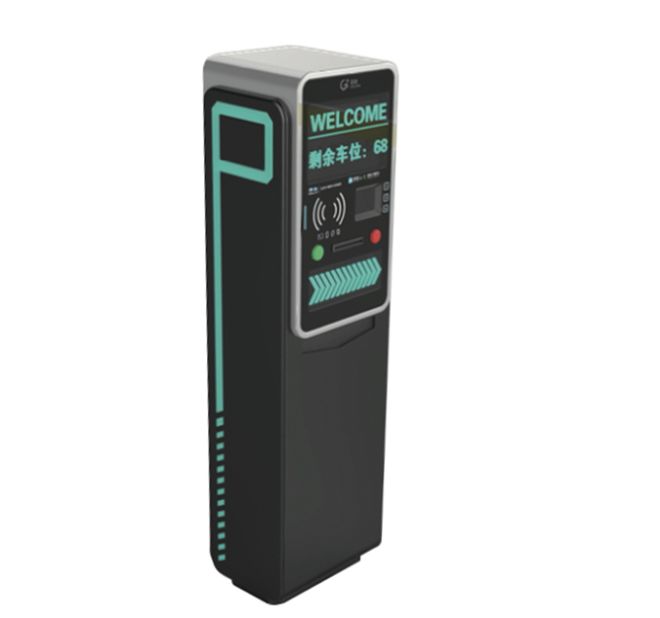
Parking payment machines play a pivotal role in urban environments, facilitating efficient management of parking spaces while ensuring convenience for vehicle owners. This article delves into the intricacies of these machines, highlighting their historical evolution, operational mechanisms, technological advancements, and their economic significance. We will also explore the differences between various systems and touch upon the future trends in parking solutions.
Introduction to Parking Payment Machines
● Definition and Purpose
Parking payment machines are devices used to regulate parking in urban areas and parking lots. They are crucial in managing parking spaces, collecting fees, and ensuring fair usage. These machines serve the dual purpose of convenience for users and revenue generation for municipalities.
● Types of Parking Payment Machines
The broad categories of parking payment machines include Pay and Display, Pay on Foot, and coupon parking systems. Each system offers distinct operational methods tailored to specific needs and environments.
History of Pay and Display Machines
● Origin and Early Development
The inception of Pay and Display machines dates back to the 1950s in the United States, with Park-UR-Self in San Francisco leading the initial development. These machines revolutionized how parking was managed, providing a unified solution for regulating multiple parking spaces from a single point.
● Evolution Over Time
Over the decades, these machines have undergone significant technological advancements. From simple coin-operated devices, they have evolved into sophisticated systems accepting various payment methods, including credit cards and mobile payments.
Different Types of parking machines
● Pay and Display Systems
Pay and Display systems are among the most widely used parking payment solutions. A driver purchases a ticket from the machine and displays it on the vehicle's dashboard, ensuring easy verification by enforcement officers.
● Pay on Foot Systems
Pay on Foot systems provide a ticket upon entering a parking area, with payment made at designated machines before exiting. This system eliminates the need to predetermine parking duration, offering flexibility to users.
Technological Advancements in Parking Machines
● Integration of Credit Card Payments
Modern parking machines are equipped to accept credit card payments, enhancing user convenience by eliminating the need for carrying coins. This integration also reduces the frequency of emptying cash from machines, cutting down operational costs.
● Mobile Payment Options
The rise of digital technology has paved the way for mobile payment options, allowing users to pay for parking via smartphones. This feature provides a seamless experience, aligning with the growing demand for contactless transactions.
Operational Mechanism of Pay and Display
● How Pay and Display Works
Pay and Display machines operate by dispensing a ticket after receiving payment. The user displays this ticket in their vehicle, allowing for easy monitoring by parking enforcement personnel. This system is advantageous in areas where setting up individual meters is impractical.
● Benefits for Cities and Operators
For cities, Pay and Display systems offer reduced installation and maintenance costs compared to individual meters. For operators, these systems ensure a steady revenue stream and reduce the risk of theft or pilfering.
Comparing Parking Coupons and Machines
● Overview of Coupon Parking
Coupon parking involves purchasing pre-paid vouchers instead of using machines. Users display these coupons on their vehicles after indicating the date and time of parking.
● Advantages and Disadvantages
While coupon parking eliminates the need for machine maintenance, it lacks the flexibility and convenience offered by machine-based systems, particularly in terms of accepting multiple payment methods and tracking usage patterns.
Geographical Variations in Usage
● Common Regions for Different Systems
Different parking systems are favored in different regions based on local preferences and infrastructure. Pay and Display is prevalent in many European cities, while coupon parking is more common in parts of Asia and South America.
● Cultural Differences in Parking Management
Cultural attitudes towards parking regulation significantly influence the choice of systems. For instance, some regions prioritize technology-driven solutions to combat urban congestion, while others may focus on cost-effective manual systems.
Economic Impact of Parking Payment Machines
● Revenue Generation for Municipalities
Parking payment machines are vital revenue sources for municipalities. They provide steady cash flow and are instrumental in funding urban development projects.
● Cost-Efficiency and Maintenance
The modern machines offer cost-efficient solutions with minimal maintenance requirements, thanks to advancements in technology such as remote monitoring and automated processes.
Future Trends in Parking Payment Systems
● Innovations on the Horizon
The future of parking payment systems lies in further integration of smart technologies, such as IoT and AI, enhancing the efficiency and user-friendliness of these systems.
● Potential for Digital Transformation
There is a growing trend towards digital transformation, with the potential for fully automated parking systems that integrate with urban infrastructure and provide real-time data analytics.
Conclusion: Choosing the Right System
● Factors to Consider in Selection
Choosing the appropriate parking payment system depends on factors such as the location, expected traffic volume, and available infrastructure. Each system offers unique benefits that must be weighed against operational requirements.
● Balancing Technology and User Experience
While embracing technological advancements is crucial, it is equally important to ensure that the systems remain user-friendly and accessible to all segments of the population.
Introducing Golong
Established in 2015, Golong focuses on public transportation payment aggregation systems, excelling in the development of Internet intelligent big data products. With expertise in Internet of Things, face recognition, and travel payment solutions, Golong holds a leading position in software and hardware product development. The company operates across various sectors, aiming to enhance digital currency applications and offer exceptional operation services.
