

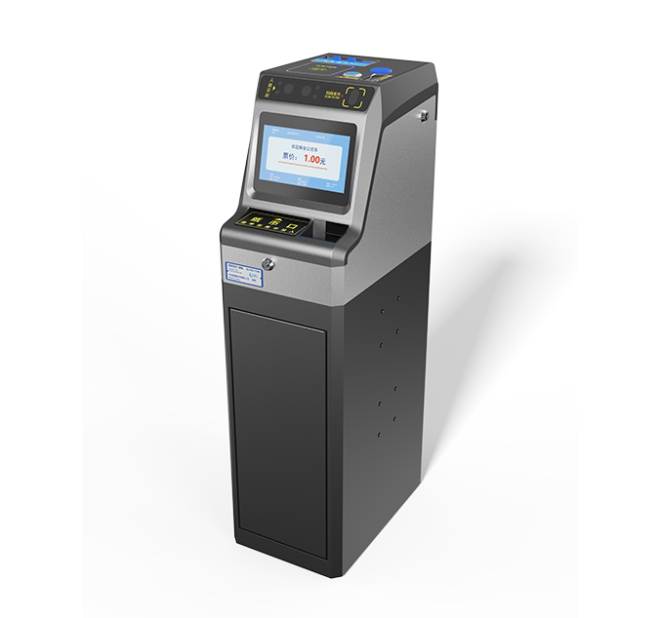
The Role of Fareboxes in Transit Systems
In modern transit systems, fareboxes serve a crucial role in efficiently managing fare collection. These devices are essential to ensuring that revenue collected is secure and that the transit system operates smoothly. As manufacturers and suppliers continue to innovate, the farebox remains a vital component in facilitating accessible and reliable public transport.
Understanding Farebox Types
Fareboxes generally fall into two categories: validating and non-validating. Validating fareboxes are equipped with technology that counts and recognizes deposited bills and coins, while non-validating fareboxes simply collect cash without additional processing. The choice between these two types depends largely on the specific needs of a transit system.
Operational Challenges in Fare Collection
Fare collection is not without its challenges. Rising operational costs and diminishing funds necessitate efficient systems that minimize the burden of fare collection while maximizing revenue retention. As factories and suppliers of fare collection systems respond to these challenges, they offer solutions that simplify operations and reduce costs.
Cost Implications
The more money transit agencies expend on fare collection, the less there is available for service improvements. Investing in advanced farebox technologies can alleviate some of these financial pressures by reducing labor and maintenance costs.
Technology in Fare Collection
As digital payment technologies advance, transit agencies are increasingly integrating contactless payment systems. While a significant portion of fares is now collected electronically, the role of the farebox as a secure repository for cash fares remains significant.
Contactless Payments and Cash Integration
Although many transit systems now collect 70% to 90% of fares through electronic means, fareboxes are crucial for collecting the remaining cash payments. Manufacturers are innovating to support this hybrid model, ensuring that both forms of payment are handled efficiently.
The Process of Collecting Cash Fares
Collecting cash fares involves several steps, from passenger payment to secure cash handling and accounting. The integration of new technologies and systems helps streamline this process, making it more efficient for transit authorities and riders alike.
Cash Handling and Security
Fareboxes are designed to securely store collected cash until it can be safely transferred for processing. This involves robust security measures and design enhancements by suppliers to prevent theft and ensure accuracy in revenue collection.
Efficiencies in Farebox Management
Effective management of fareboxes includes regular maintenance, security updates, and strategic placement within transit systems. By optimizing these aspects, transit agencies can ensure the reliability and efficiency of their fare collection processes.
Maintenance and Costs
The total cost of ownership for fareboxes includes initial purchase, ongoing maintenance, and potential repair costs. Manufacturers are tasked with designing systems that minimize downtime and expenses, allowing agencies to maximize the utility of their investments.
Impact of Legislation on Fare Systems
Legislation plays a critical role in shaping fare collection systems. Government funding and policy decisions influence how transit agencies deploy and manage fare collection technologies, with significant implications for manufacturers and suppliers.
Regulatory Compliance
Fare collection systems must comply with local, state, and federal regulations. Suppliers work closely with transit agencies to ensure their products meet these requirements, thereby maintaining legal and operational standards.
Innovations in Secure Cash Handling
Innovations in fare collection focus on enhancing the security and efficiency of cash handling. As transit systems continue to evolve, suppliers are developing advanced hardware and software solutions to address these needs.
Emerging Technologies
New technologies, such as RFID and NFC, are increasingly integrated into fare collection systems. These advancements provide additional layers of security and convenience, making fare payment and collection more straightforward for all involved.
Evaluating Farebox Total Cost of Ownership
The decision to invest in farebox technology should consider the total cost of ownership, which includes purchase price, installation, maintenance, and operational expenses. By evaluating these factors, transit agencies can make informed decisions that align with their financial and operational goals.
Cost-Benefit Analysis
Calculating the potential savings from reduced fare loss and increased efficiency is essential in determining the value of a farebox investment. Agencies must balance initial and ongoing costs with the expected benefits of improved fare collection and security.
Farebox Data and Operational Decisions
Data collected from fareboxes can inform operational decisions and enhance service delivery. Analyzing this data helps transit authorities optimize routes, schedules, and resource allocation, ultimately improving the overall passenger experience.
Data Utilization
Effective use of farebox data requires robust reporting tools and analytical capabilities. By leveraging data insights, agencies can make strategic decisions that enhance service efficiency and customer satisfaction.
Future Trends in Fare Collection
As the demand for efficient and secure fare collection grows, future trends will likely focus on further integrating advanced technologies and enhancing the passenger experience. Manufacturers and suppliers will play a crucial role in driving these innovations forward.
Anticipating Change
- Increased use of mobile payment solutions
- Greater integration with smart city infrastructure
- Enhanced passenger convenience features
Golong Provide Solutions
Golong offers comprehensive solutions to address the evolving needs of transit fare collection. By providing cutting-edge farebox technologies and seamless integration options, Golong helps transit agencies enhance operational efficiency, reduce costs, and improve passenger experiences. Their expertise ensures that all aspects of fare collection are optimized for reliability and performance.
User hot search: fare box