

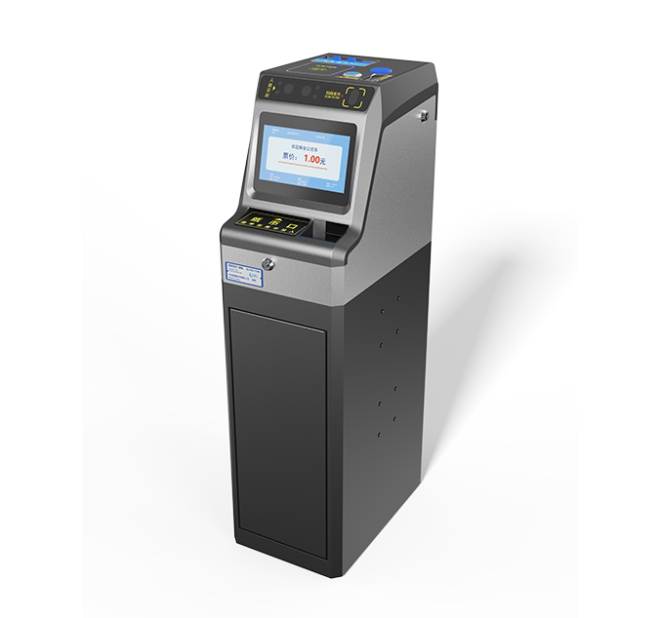
Introduction to automated bus fare collection systems
Automated bus fare collection systems have become a pivotal part of modern public transportation networks, enhancing efficiency, reducing operational costs, and providing valuable data to transit operators. These systems integrate various technologies that streamline the fare collection process, offering convenience for both passengers and transit authorities. Understanding these technologies is essential for manufacturers, factories, and suppliers in the transit industry.
Components of Automated Fare Collection Systems
Core Hardware and Software
An automated fare collection system is composed of a sophisticated array of hardware and software components that work in synergy to facilitate a seamless buying and validation experience. The core components include fare media, readers, and validators, along with back-office software that manages transactions and fare policies.
Integration and Interoperability
Integration with existing transit infrastructure is crucial. Systems must be interoperable to ensure that components like ticket vending machines (TVMs) and validators communicate effectively with central databases. This capability helps maintain the reliability and flexibility of the system.
Fare Media Types in Automated Systems
Smart Cards and Tokens
Smart cards are the most prevalent fare media in automated systems, offering durability and security. These cards often use embedded chips or RFID technology for contactless transactions, reducing wear and tear.
Mobile Payment Options
With the rise of smartphone usage, mobile payment options have become increasingly popular. These include QR code-based tickets and NFC-enabled devices, providing an additional layer of convenience for tech-savvy passengers.
Ticket Vending and Validation Technologies
Ticket Vending Machines (TVMs)
TVMs are strategically placed at transit points to facilitate quick and self-service fare purchases. They accept various payment methods, including cash, debit, and credit cards, ensuring accessibility for all passengers. Factories and suppliers play a critical role in producing and maintaining these machines.
Validation Hardware
Validation hardware includes devices like bus validators and handheld scanners, ensuring that only valid fare media grant passengers access. Speed and accuracy are critical here, as validators need to process transactions in under a second to maintain efficient boarding times.
Cloud-Based Fare Management Solutions
Real-Time Data Processing
Cloud-based systems allow for real-time processing and storage of fare data. This capability enables transit operators to have an up-to-date view of ridership patterns, allowing for better planning and resource allocation.
Scalability and Flexibility
These systems offer scalability and flexibility, allowing transit authorities to easily adjust fare structures or integrate new technologies as they become available. Manufacturers and suppliers provide the necessary technology to ensure these systems remain robust and adaptable.
Contactless and Mobile Payment Technologies
Near Field Communication (NFC)
NFC technology enables passengers to use contactless smart cards or mobile devices to tap and pay, providing a swift and secure payment method. This reduces transaction time and enhances the passenger experience.
Mobile Wallets and Apps
Mobile wallets and transit apps offer end-to-end solutions for fare purchases, with features like automatic reloading, transaction histories, and receipts. These tools empower passengers to manage their travel expenses efficiently.
Benefits of Automated Fare Collection for Passengers
Convenience and Efficiency
Automated fare collection systems streamline the ticketing process, significantly reducing wait times. Passengers can quickly pay and board, improving their overall transit experience.
Cost Savings
With options for discounted passes and promotions, passengers can save money on their commute. Additionally, the reduced need for paper tickets and printed fare media lowers overall costs.
Operational Advantages for Transit Operators
Reduced Labor Costs
The automation of fare collection reduces the need for manual ticket sales and fare validation, thus lowering labor costs. This allows transit operators to allocate resources to other critical areas.
Fraud Prevention and Revenue Assurance
Automated systems decrease the likelihood of fare evasion and fraud, ensuring that revenue collection is consistent and reliable. Accurate data collection also aids in strategic planning and decision-making.
Network Hardware and Connectivity
Reliable Data Transmission
Network hardware ensures seamless data exchange between in-bus systems and central databases. Manufacturers provide robust networking solutions to facilitate real-time communication, essential for operational efficiency.
Backup and Redundancy
To prevent data loss and ensure consistent service, redundancy systems and backup protocols are in place. This ensures that operations continue smoothly, even in the event of hardware failure.
Future Trends in Automated Fare Collection
Account-Based Ticketing
Account-based systems allow passengers to travel without needing a physical ticket, integrating directly with bank accounts and generating new opportunities for manufacturers and suppliers to innovate.
Open Payment Systems
Open payment frameworks are gaining traction, allowing riders to pay with bank cards or mobile wallets directly, thereby enhancing flexibility and interoperability within transit networks.
Golong Provide Solutions
Golong offers comprehensive solutions for automated fare collection systems, leveraging the latest technologies to enhance efficiency and passenger satisfaction. Our solutions include robust hardware and software integration, ensuring seamless operations across transit networks. As a reliable manufacturer and supplier, we focus on delivering customized, scalable, and cost-effective systems tailored to meet the unique needs of modern public transportation. Contact us today to enhance your fare collection capabilities.
