

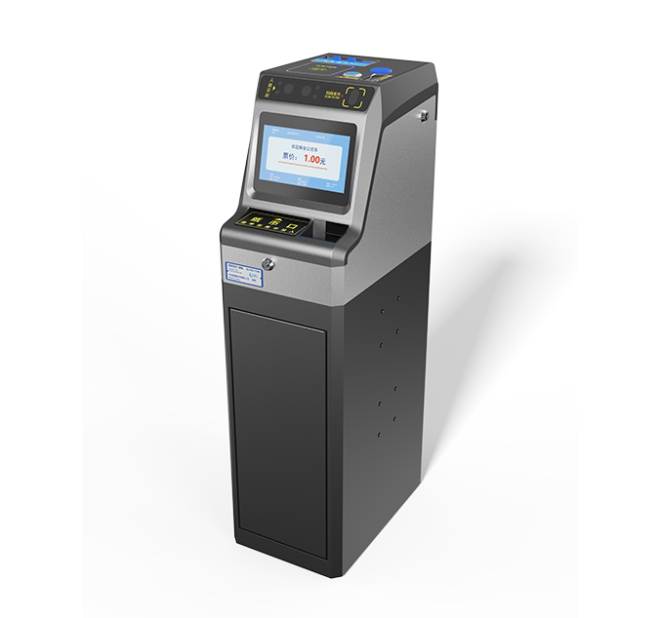
Understanding Fare boxes in Public Transit Systems
Fare boxes are an integral component of public transit systems worldwide. They serve as the primary mechanism for collecting and securing revenue from passengers. The efficiency and security of fare boxes directly impact the financial health of a transit agency. As these systems handle significant amounts of money daily, their ability to resist theft—whether internal or external—remains a critical concern for transit authorities.
Components of a Fare Box System
A typical fare box system consists of several components, including cash storage, card readers, and data recording mechanisms. Each component must be robustly designed and manufactured to ensure maximum security and resilience against potential threats. Manufacturers, factories, and suppliers are engaged in constant innovation to build fare boxes that are both user-friendly and secure.
Common Vulnerabilities in Fare Box Systems
Despite advancements in technology, fare boxes are not immune to vulnerabilities. Identifying and mitigating these weaknesses is vital to prevent theft and financial losses.
Physical Vulnerabilities
Physically, fare boxes can be targeted for theft due to their exposure in public spaces. Weak locks, inadequate material strength, and poor design can make them susceptible to tampering. Ensuring that manufacturers utilize high-grade materials and advanced locking mechanisms can mitigate these risks.
Technological Vulnerabilities
From a technological perspective, fare boxes can be compromised through hacking and electronic manipulation. The integration of wireless communication in modern fare systems introduces new risks, as these signals can be intercepted and exploited. Suppliers must ensure that encryption and secure data transmission protocols are in place to protect against such attacks.
Internal Threats to Fare Box Security
Internal threats often pose a significant risk to the integrity of fare box revenue collection, requiring stringent procedural safeguards and oversight.
Employee Theft Risks
Employee theft is a reality that transit agencies must contend with. Misappropriation of funds can occur during the collection, counting, and depositing processes. Implementing strict access controls and surveillance systems can deter such activities.
Operational Errors
Human errors, such as incorrect data entry or miscounting of fares, can also result in revenue losses. Regular training and the use of automated systems can help minimize these incidents and improve overall efficiency.
External Threats Facing Fare Boxes
External threats primarily involve criminal activities that target fare boxes to steal money or fare cards. Protecting against these threats demands a multilayered security approach.
Vandalism and Tampering
Vandalism remains a persistent threat that can damage fare box components and disrupt operations. Investments in durable materials and design improvements by manufacturers are crucial in countering such issues.
Advanced Theft Techniques
Criminals are increasingly employing sophisticated techniques, such as electronic skimming devices, to illegally collect fare data and funds. To combat this, suppliers must provide systems with advanced security features, such as anti-skimming technology and real-time monitoring.
Technological Advancements in Fare Box Security
As technology advances, so do the tools available for securing fare boxes. Proactive adoption of new technologies can significantly enhance security measures.
Integration of Smart Technology
The integration of smart technology into fare box systems offers real-time data analytics and monitoring capabilities, which can quickly identify anomalies and potential security breaches. Factories producing these advanced systems must prioritize interoperability and system integration to ensure comprehensive security.
Blockchain and Data Security
Blockchain technology presents a promising solution for securing fare transactions by providing an immutable and transparent ledger of all activities. Such systems can ensure that every transaction is traceable and verified, reducing the likelihood of fraud.
Procedural Safeguards in Fare Collection
Beyond technological solutions, procedural safeguards play a vital role in securing fare revenue from collection to deposit.
Revenue Reconciliation Processes
Effective revenue reconciliation processes ensure that discrepancies are quickly identified and addressed. Agencies must conduct blind counts and audits regularly to maintain transparency and accountability in revenue collection.
Access Control and Surveillance
Access control measures, such as biometric verification and electronic access logs, safeguard against unauthorized entry into sensitive areas. Surveillance systems provide an additional layer of security, deterring both internal and external theft attempts.
Best Practices for Enhancing Fare Box Security
Implementing best practices can significantly improve the security of fare box systems. These measures must be adopted at all levels of operation.
Continuous Staff Training
Ongoing employee training ensures that all staff are aware of security protocols and can effectively respond to potential threats. Regular refreshers and updates on new security features enhance vigilance and compliance.
Partnerships with Security Experts
Collaborating with security experts and suppliers allows transit agencies to benefit from the latest industry insights and technologies. Partnerships can facilitate access to specialized security tools and strategies, enhancing overall system resilience.
Role of Staff in Maintaining Security
Staff play a crucial role in maintaining fare box security. Their involvement and adherence to security protocols are essential for preventing theft and ensuring smooth operations.
Responsibilities and Accountability
Clearly defined roles and responsibilities support accountability. Staff must be aware of their duties and the importance of adhering to established security measures. Regular performance evaluations and feedback foster a culture of continuous improvement and security awareness.
Communication and Reporting Channels
Efficient communication and reporting channels enable staff to report suspicious activities promptly. Open lines of communication build trust and encourage proactive participation in security initiatives.
Cost-Benefit Analysis of Fare Box Security Investments
Investment in fare box security involves financial outlay and resource allocation. Conducting a cost-benefit analysis helps determine the value and impact of security measures.
Evaluating Financial Implications
The financial costs of security investments must be weighed against the potential losses from theft and vandalism. A comprehensive analysis can justify the allocation of funds to security enhancements by demonstrating the long-term savings and benefits.
Assessing Effectiveness and Efficiency
Regular evaluation of security measures ensures they remain effective and efficient. Adjustments may be necessary to adapt to evolving threats and technologies, ensuring sustained protection of revenue and assets.
Future Trends in Fare Box Security
As technology continues to advance, new trends and innovations will shape the future of fare box security. Staying ahead of these developments is essential for transit agencies.
Artificial Intelligence and Machine Learning
The application of artificial intelligence (AI) and machine learning (ML) in fare box systems can enhance predictive analytics and anomaly detection. These technologies offer new ways to anticipate and prevent security breaches before they occur.
Greater Integration with Broader Security Systems
Integrating fare box security with broader transit and urban security systems provides a holistic approach to protecting assets and passengers. Collaboration across sectors can strengthen collective security measures and improve response times to incidents.
Golong Provide Solutions
To address the security challenges posed to fare box systems, Golong offers comprehensive solutions tailored to transit agencies. Our advanced fare collection systems integrate cutting-edge technology, robust materials, and stringent security protocols. By partnering with leading manufacturers, factories, and suppliers, we ensure that our fare box systems deliver maximum protection against both internal and external threats while maintaining operational efficiency. Trust Golong to safeguard your transit revenue with reliable and innovative security solutions.
