Introduction: The Evolution of Parking Meters
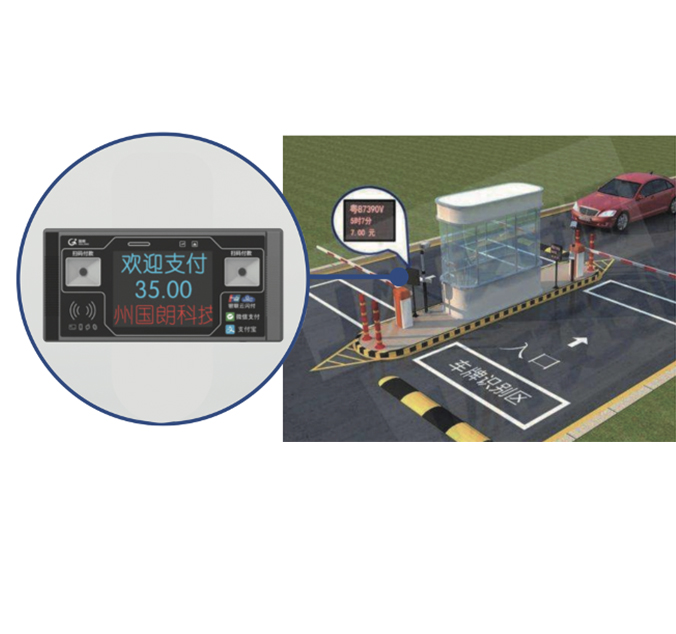
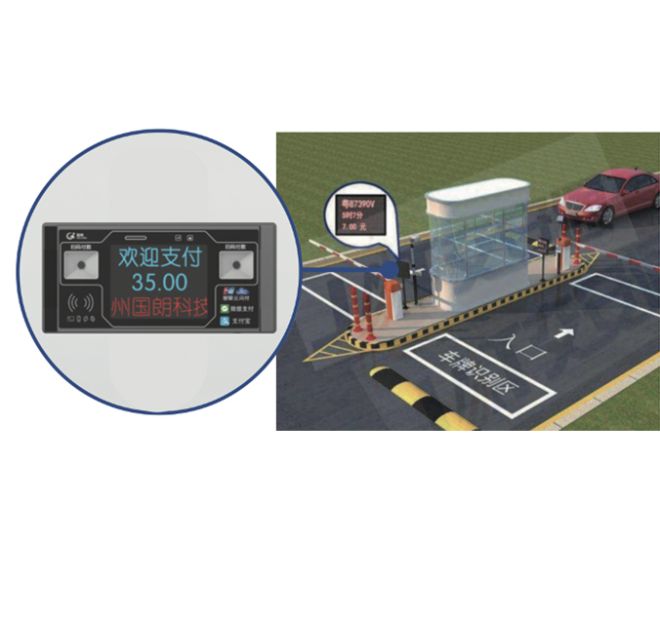
The advent of smart parking meters has sparked a revolution in how urban parking systems operate. From the traditional coin-operated mechanisms to sophisticated digital interfaces, parking meters have come a long way. This evolution is not just about keeping up with technological advancement but also about enhancing operational efficiency, reducing congestion, and leveraging real-time data for smarter city planning. This article explores whether smart parking meters are truly better than the old ones, with a focus on how they are reshaping the landscape of urban mobility.
Limitations of Traditional Parking Meters
● Issues with Mechanical Coin-Based Systems
The classic parking meter, with its coin-operated mechanism, was once a hallmark of urban parking solutions. However, these traditional devices have inherent limitations. The dependency on physical currency often leads to inconvenience for drivers who may not have the correct change. This inconvenience occasionally results in drivers either overpaying or risking fines for underpayment. In addition, maintenance of these mechanical systems can be cumbersome and costly, detracting from the efficiency they are meant to provide.
● Impact of Outdated Technology on Efficiency
Old parking meters lack the capability to provide real-time information on space availability. This absence results in drivers circling blocks in search of parking, contributing to traffic congestion, increased emissions, and lost time. Cities with outdated parking systems also miss out on potential revenue due to the inability to dynamically adjust pricing based on demand, a feature that smart parking meters can offer.
Real-Time Data: A Game Changer
● Benefits of Real-Time Space Availability
Smart parking meters, unlike their predecessors, harness the power of real-time data to inform drivers about available parking spaces. This technological leap allows for more efficient use of parking resources. Drivers can easily find parking, reducing the time spent searching and thereby decreasing traffic congestion and environmental impact. With the integration of smart parking meters, urban planners gain valuable insights into parking usage patterns, enabling them to make informed decisions regarding infrastructure development.
● Examples of Reduced Congestion and Time Savings
Cities that have implemented smart parking systems report significant reductions in congestion. For example, San Francisco's SFpark program uses sensors and dynamic pricing to manage parking availability, resulting in a 30% reduction in the time drivers spend searching for parking. This efficiency showcases the transformative impact of smart parking meters on urban mobility.
Enhanced User Experience with Smart Meters
● Focus on Driver Needs Over Real Estate
The shift from real estate-focused parking solutions to systems centered around driver needs has been profound with the introduction of smart parking meters. These devices prioritize user experience by offering multiple payment options, including credit cards and mobile payments, thus catering to the diverse preferences of today's drivers. This driver-centric approach not only enhances convenience but also ensures that parking resources are allocated more effectively.
● Integration with User-Friendly Mobile Apps
Smart parking meters often integrate with mobile applications that enable users to locate available spots, pay parking fees remotely, and receive alerts when their time is about to expire. The seamless experience afforded by these apps aligns with the growing consumer expectation for convenience and flexibility in managing urban mobility.
Infrastructure Overhaul: From Old to Smart
● Transition from Outdated Infrastructure
The transition from outdated infrastructure to smart systems represents a significant overhaul but one that is necessary for modern urban environments. Smart parking meters, connected via wireless networks, eliminate the need for coin handling and frequent meter repairs. This shift not only reduces maintenance costs but also enhances the sustainability of urban transportation systems by minimizing resource consumption.
● Economic and Social Benefits of Modernization
The economic benefits of smart parking meters extend beyond improved efficiency and reduced operational costs. Dynamic pricing models can optimize revenue generation for municipalities, while reduced traffic congestion contributes to a higher quality of urban life. Socially, smart parking meters facilitate better access to public spaces, promoting inclusivity and accessibility.
Automation and Error Reduction
● How Automation Eliminates Human Error
Automation in parking systems reduces the margin for human error significantly. Smart parking meters automatically record parking durations and process payments, ensuring compliance with rules and reducing wrongful fines. This reliability fosters trust in the system, encouraging compliance and reducing disputes between drivers and enforcement agencies.
● Case Studies of Successful Implementations
Cities like Los Angeles and New York have embraced smart parking solutions with positive outcomes. Automated systems in these cities have streamlined the enforcement process and improved compliance, highlighting the potential of smart parking meters to transform urban parking dynamics. Such examples underscore the practicality and effectiveness of automated parking solutions in addressing the challenges faced by traditional systems.
Connectivity and Networking in Modern Parking
● Networking Capabilities Among Vehicles
Smart parking meters are a crucial component of the broader "smart city" ecosystem, which emphasizes connectivity and communication between devices. Through vehicle-to-infrastructure (V2I) communication, smart parking meters can provide real-time updates to navigation systems, guiding drivers to open parking spaces and reducing unnecessary travel.
● Enhancing Communication for Safer Parking
The integration of networking technology in smart parking meters enhances safety by facilitating better communication between drivers and parking systems. Features such as real-time alerts for expired meters or impending fines improve compliance and reduce instances of illegal parking, contributing to safer and more organized urban environments.
Environmental and Economic Impacts
● Reduction in Emissions and Pollution
By optimizing parking space utilization, smart parking meters contribute to reduced vehicle emissions. Decreasing the time spent searching for parking means fewer cars idling on the roads, leading to improved air quality. This environmental benefit aligns with global efforts to combat climate change and create sustainable urban spaces.
● Cost Efficiency and Revenue Generation
Smart parking meters provide municipalities with the capability to implement dynamic pricing models that adjust to demand, maximizing revenue from parking operations. These systems also reduce operational costs through automated processes and decreased reliance on manual enforcement. The economic advantages of smart parking systems make them a compelling choice for cities looking to enhance their financial stability and service efficiency.
Challenges and Concerns with Smart Parking
● Privacy and Security Concerns
Despite their advantages, smart parking meters raise concerns regarding data privacy and security. The collection and storage of vehicle and driver information necessitate robust cybersecurity measures to prevent data breaches and misuse. Addressing these concerns is critical to gaining public trust and ensuring the successful implementation of smart parking solutions.
● Technical and Operational Hurdles
The deployment of smart parking meters involves overcoming technical challenges, such as ensuring reliable connectivity and integrating with existing infrastructure. Additionally, the transition requires training for personnel and public awareness campaigns to ensure widespread adoption and effective use of the new systems.
The Future of Parking: Intelligent and Integrated Systems
● Predictions for Future Advancements
As technology continues to evolve, smart parking meters will likely become more integrated with other components of urban infrastructure. Future advancements may include the use of artificial intelligence to predict parking demand and optimize resource allocation, further enhancing the efficiency and sustainability of urban transportation systems.
● Integration with Urban Planning and Smart Cities
The integration of smart parking meters is a critical aspect of the broader smart city agenda, which aims to improve urban living through technology. These systems support the development of intelligent transportation networks that are responsive to the needs of citizens, ultimately contributing to more livable and resilient cities.
● Company Profile: Golong
Golong, established in 2015, focuses on public transportation payment aggregation systems and the development of Internet intelligent big data products and services. The company excels in fields such as the Internet of Things, travel payment, and software and hardware product development. Golong's journey includes notable milestones, such as introducing the nation's first all-in-one integrated bus validator and expanding its market presence internationally through partnerships and innovative projects. With a strong commitment to enhancing urban mobility, Golong continues to shape the future of transportation technology.