

Introduction
In the bustling metropolis of London, the Hopper fare introduced by Transport for London (TfL) revolutionized the way people traveled by bus and tram. Offering unlimited journeys within a one-hour window for a flat rate brought convenience and savings to countless commuters. This article delves into the current state of the Hopper fare, examining its relevance, benefits, limitations, and the role of technology such as metrobus fare boxes in its operation. Furthermore, we explore the impact of specialized providers such as metrobus fare boxes manufacturers and suppliers in sustaining the fare system.
Understanding the Hopper Fare
● The Origins and Intent of the Hopper Fare
The Hopper fare was introduced as part of an initiative to improve public transportation accessibility and affordability in London. It allowed travelers to make unlimited bus and tram journeys within an hour for £1.75, catering particularly to those who rely heavily on public transport for short distance commutes. By simplifying travel logistics through the use of contactless payment methods, the Hopper fare quickly gained popularity among London's diverse populace.
● The Mechanics Behind the Hopper Fare
Users of the Hopper fare must touch in with the same card or device across all journeys to take advantage of the fare. It is automatically applied, provided there is enough balance on the traveler’s Oyster card or contactless account. However, should other services like the Tube or River Bus be utilized between bus journeys, standard fares are applied, rendering the Hopper fare inactive until reused within its eligibility conditions.
Target Audiences and Benefit Analysis
● Who Benefits?
The Hopper fare is notably advantageous for various age demographics who require frequent short trips throughout the city. Young residents, including those with 11-15 Zip Oyster photocards, can travel at reduced rates, while older travelers benefit from the cost-effective travel options provided by the fare. Students and low-income earners often find these discounts crucial, saving them significant amounts in daily commuting expenses.
● Cost Saving and Economic Implications
The introduction of the Hopper fare brought clear economic benefits to regular commuters. For those frequently traversing London’s extensive bus network, the one-hour unlimited fare equates to substantial savings compared to single journey fares. This relief is amplified when considering the city’s broader economic landscape, where transport expenses can significantly impact a resident's budget.
Comparing Hopper Fare to Other Fare Options
● Alternatives and Comparisons
While the Hopper fare offers a unique model of travel, other fare options like daily caps, travelcards, and metrobus fare boxes present alternative structures. These alternatives cater to different commuter needs, such as longer trips and cross-modal journeys involving the Tube or Overground networks. The Hopper fare’s niche lies in its efficiency for short, frequent bus and tram rides.
● Evaluating its Effectiveness
Despite its benefits, the Hopper fare has its limitations. It doesn’t apply across all forms of public transport and requires careful usage to maximize savings. Commuters must plan their journeys within the hour limit to avoid additional charges, a consideration absent in flat-rate travelcards or pay-as-you-go models.
Challenges and Limitations
● Conditions Voiding the Hopper Fare
Certain conditions can prevent the Hopper fare from applying, such as a negative balance on an Oyster card after the first journey. Travelers must ensure their cards are topped up promptly to remain eligible. Additionally, standard fares are charged if different transport services are used between bus or tram trips, which can inadvertently increase travel costs.
● Technical and Operational Issues
The reliance on technology like metrobus fare boxes to manage fare collection introduces potential operational hiccups. Malfunctions in these systems could inadvertently affect fare application, though such incidents are typically managed swiftly by TfL. Manufacturers and suppliers of metrobus fare boxes play a crucial role in maintaining seamless operations, ensuring commuters enjoy uninterrupted access to fare benefits.
The Role of Metrobus Fare Boxes
● Technological Integration in Public Transport
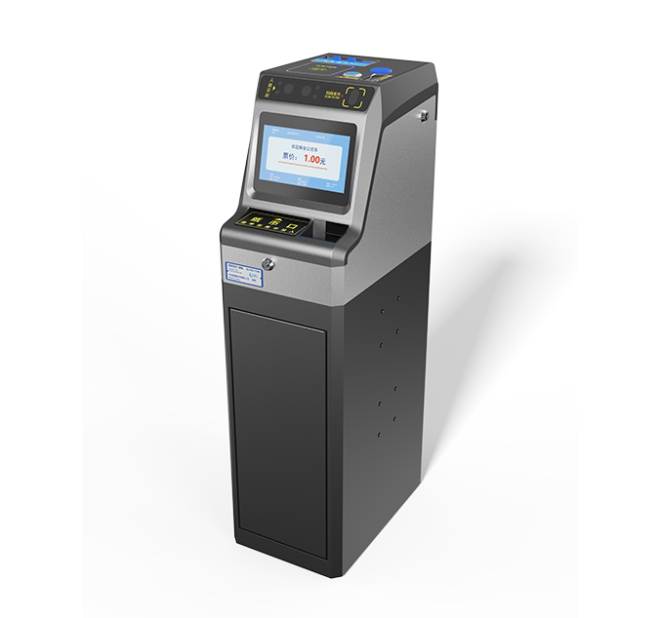
Metrobus fare boxes form the backbone of the Hopper fare's smooth operation, facilitating the application of contactless payments efficiently. These devices, designed and supplied by specialized manufacturers and factories, are integral to ensuring that fares are calculated and applied accurately across London's bus and tram networks.
● Market Influence of Fare Box Suppliers
The production and supply chain of metrobus fare boxes involve numerous stakeholders, from manufacturers developing cutting-edge technology to factories ensuring robust assembly and suppliers delivering units across transportation networks. The durability and reliability of these boxes are paramount, directly impacting the commuter experience.
Public Perception and Its Shifts
● Historical Popularity and Current Sentiment
Since its inception, the Hopper fare has been met with an overall positive reception, attributed to the convenience and affordability it offered. Surveys and commuter feedback reflect a broad approval, although opinions vary with changing economic conditions and personal commuting needs.
● The Evolution of Commuter Attitudes
In recent years, the perception of the Hopper fare may have shifted due to broader economic shifts, including fare price adjustments and evolving travel patterns post-COVID-19. As work-from-home arrangements become more prevalent, the reliance on traditional commuting discounts such as the Hopper fare may dwindle slightly, influencing public sentiment.
The Future Outlook
● Expected Developments from Authorities
Transport for London continues to evaluate the effectiveness of its fare models, including the Hopper fare, to better align with commuter needs. Potential developments could include fare price adjustments, expanded eligibility, or integration with new transport technologies to enhance user convenience.
● Long-term Viability and Adaptation
The Hopper fare’s future hinges on its ability to adapt to changing urban mobility trends and sustain its economic benefits for users. Maintaining a balance between revenue generation for TfL and affordable travel for commuters will be critical in shaping its long-term viability.
Conclusion: Current Status and Importance
In conclusion, the Hopper fare remains an essential component of London’s public transportation fare system, particularly for commuters reliant on buses and trams. Despite its challenges and limitations, it provides significant cost-saving opportunities and simplifies travel logistics. As the city evolves, the Hopper fare's role may shift, but its core value proposition continues to resonate with a large sector of London's commuting populace.
Company Profile: Golong
Golong, established in 2015, specializes in the development of public transportation payment systems. The company leads in Internet, IoT, and digital currency technology, offering innovative software and hardware solutions. Golong's milestones include introducing integrated bus validators used in over 100 cities and expanding globally through partnerships with major financial entities like Visa and UnionPay. Their commitment to technology integration in public transit highlights their ongoing contributions to enhancing commuter experiences worldwide.
