

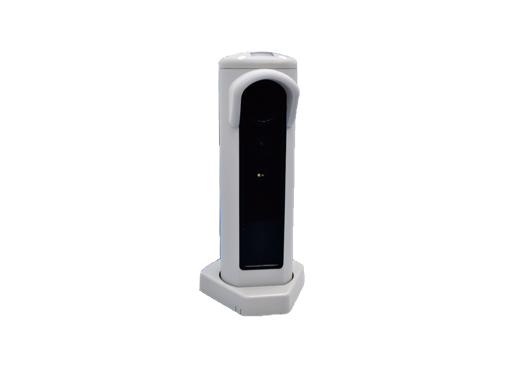
Introduction to smart parking meters
In the quest for more efficient urban transportation solutions, smart parking meters have emerged as a pivotal technology, transforming the way cities manage vehicle parking while positively impacting the environment. As municipalities strive to reduce carbon emissions and improve the quality of urban life, these technological advancements offer promising solutions. This article delves into , exploring their history, benefits, challenges, and future potential. Keywords like smart parking meters, wholesale smart parking meters, smart parking meters manufacturer, smart parking meters factory, and smart parking meters supplier are discussed throughout to provide insights into the industry.
● Historical Evolution of Parking Meters
The journey from traditional to smart parking meters reflects a significant evolution in urban infrastructure. The initial parking meters, introduced in the early 20th century, served as rudimentary timekeepers for vehicles parked on city streets. However, the integration of digital technology has revolutionized these devices, transforming them into sophisticated tools capable of real-time data collection and communication. This historical transition underscores the role of technological innovation in modernizing urban planning and enhancing the operational efficiency of parking systems.
● Environmental Benefits of Smart Parking Meters
Smart parking meters offer substantial environmental benefits, primarily through the reduction of traffic congestion and associated emissions. By providing real-time data on available parking spaces, these meters minimize the time drivers spend searching for parking, thereby reducing fuel consumption and emissions. Additionally, the optimized use of parking spaces leads to lower traffic volumes and decreases the urban heat island effect caused by excessive vehicle presence. The environmental advantages extend to improved air quality, contributing to healthier urban living conditions.
● Role of IoT and Data Analytics
The integration of the Internet of Things (IoT) and data analytics into smart parking meters enhances their environmental efficacy. IoT technology facilitates seamless connectivity between parking meters and central management systems, allowing for real-time updates and efficient space allocation. Data analytics further refines this process by offering insights into parking patterns, enabling predictive modeling that can lead to proactive measures in urban planning. These technologies contribute significantly to reducing the environmental footprint of urban transport systems.
● Smart Parking Meters in Urban Planning
Smart parking meters are integral to modern urban planning strategies aimed at promoting sustainability. By streamlining parking management, these devices alleviate traffic congestion, leading to reduced emissions and improved air quality. Their integration with other smart city initiatives, such as intelligent traffic management and public transportation systems, further enhances their environmental benefits. Smart meters contribute to creating greener urban spaces, aligning with broader environmental goals of reducing carbon footprints across cities.
● Case Studies: Real-World Implementations
Several cities worldwide have successfully implemented smart parking meters, realizing tangible environmental benefits. For instance, City X’s deployment of these meters has led to a noticeable decrease in traffic congestion and improved air quality. Similarly, a shopping mall replaced its traditional parking management system with smart meters, resulting in enhanced space utilization and reduced vehicular emissions. These case studies highlight the practical environmental advantages of smart parking meter solutions, emphasizing their contribution to urban sustainability.
● Challenges in Smart Parking Meter Deployment
Despite their benefits, the deployment of smart parking meters is not without challenges. Infrastructure and cost implications pose significant barriers, particularly in developing urban areas. The initial investment required for sensor installation and system integration can be substantial, raising concerns about affordability and scalability. Additionally, privacy and data security considerations emerge as critical issues, necessitating robust measures to protect user information amidst growing concerns over data breaches and misuse.
● Technological Developments and Future Trends
As technology continues to advance, smart parking meters are poised to become even more effective tools for environmental management. Emerging technologies, such as machine learning and blockchain, promise to enhance the functionality and security of these systems. Furthermore, the potential integration with electric vehicles and autonomous systems could revolutionize urban mobility, offering seamless parking solutions that align with sustainable transportation goals. The future of smart parking meters holds exciting possibilities for reducing environmental impact.
● Controversies and Public Perception
The role of private companies in the deployment and management of smart parking meters has sparked debates over equity and control. Concerns about the commercialization of essential urban services and the potential for monopolistic practices are prevalent. Public perception plays a crucial role in the acceptance of these technologies, underscoring the need for transparent policies and equitable access. Balancing private sector involvement with public interest is essential to ensure widespread adoption and maximum benefits.
● Conclusion: Environmental Impact and Future Outlook
In conclusion, smart parking meters present a viable solution for addressing urban environmental challenges. Their ability to reduce traffic congestion, optimize parking space utilization, and improve air quality underscores their significance in sustainable urban development. However, addressing challenges related to cost, infrastructure, and privacy is crucial for their broader adoption. Looking ahead, the potential integration with emerging technologies promises to enhance their effectiveness, paving the way for smarter, greener cities.
● Company Profile: Golong
Established in 2015, Golong is a pioneer in public transportation payment aggregation systems, specializing in the development of Internet intelligent big data products. With expertise in IoT, face recognition, travel payment, and digital currency, Golong leads in software and hardware development. The company has a remarkable history of innovation, evidenced by its domestic milestones and international market expansion. Golong continues to innovate, offering advanced smart parking meters and other solutions to enhance urban mobility and environmental sustainability.
