

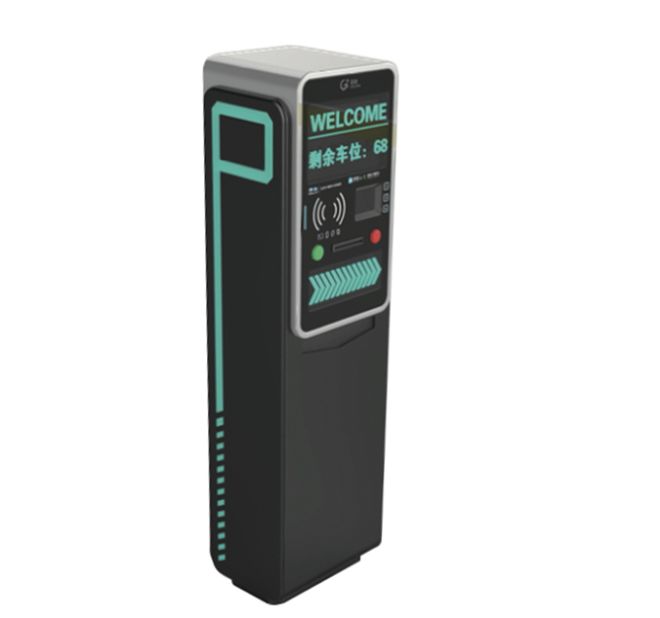
You fumble with your card, wave your phone twice, block the gate, and pretend you meant to do that. Modern ticket validation can feel like a mini-boss battle before you even reach your seat.
By using updated validators, contactless standards, and clear digital prompts, public transport systems now speed you through gates with fewer errors and queues, as detailed in the UITP ticketing report.
🚋 Evolution of ticket validation technology and standards in public transport by 2026
By 2026, ticket validation in public transport uses fast, data‑driven systems. Validators link cloud backends, open standards, and secure hardware to support many ticket formats.
Cities upgrade from simple paper checks to integrated devices, such as the Bus Farebox System Manufacturer | Intelligent Farebox Terminal solutions, combining cash, cards, and digital wallets.
1. From paper tickets to smart cards
Smart cards use contactless chips and standard formats like ISO/IEC 14443. Validators read card IDs, check validity in milliseconds, and update stored value or passes.
- Less wear and tear than magnetic stripes
- Faster boarding during peak hours
- Easier to integrate with fare capping rules
2. Rise of account‑based ticketing
Account‑based systems store rights in the back office, not on the card or phone. Validators only read identifiers and request authorization from central servers.
- Supports contactless bank cards and mobile wallets
- Allows flexible products and distance‑based fares
- Simplifies device upgrades and policy changes
3. Standardized validation protocols
Open standards ensure that hardware from different vendors can talk to the same backend. This reduces lock‑in and makes upgrades smoother for operators.
| Layer | Typical Standard |
|---|---|
| Card/Media | EMV, MIFARE, QR formats |
| Communication | TCP/IP, MQTT, HTTPS |
| Data Models | NeTEx, Transmodel‑inspired schemas |
4. Hybrid cash and digital validation
Many fleets still accept coins while promoting digital media. Devices like the Dark Green Bus Intelligent Coin Box-Real and Fake Coin Identification help validate cash and detect fake coins in real time.
- Supports unbanked riders
- Enables gradual migration to digital tickets
- Improves revenue protection on mixed‑payment routes
📱 Mobile and contactless validation workflows, including QR and NFC tickets
By 2026, most new validators support QR codes, NFC wallets, and contactless bank cards. They provide quick taps, offline checks, and clear status lights or sounds.
Modern devices, including the Alipay code scanning POS machine, read app‑based tickets, generate audit logs, and sync trip data to cloud dashboards.
1. QR code ticket validation steps
In QR workflows, riders buy or receive a code in an app. The validator scans it, verifies signatures and time limits, then unlocks gates or logs boarding.
- Camera or laser scans the on‑screen or paper QR
- Device decodes ticket ID and security token
- System checks validity locally or via server
2. NFC and contactless card taps
NFC readers create a short‑range radio link with cards or phones. They read secure application data, then apply fare rules and display a clear result.
| Media | Typical Use |
|---|---|
| Transit smart card | Stored value, passes |
| Bank card | Pay‑as‑you‑go taps |
| Phone wallet | Tokenized, multi‑mode access |
3. Workflow performance and adoption analysis
Agencies track boarding speed and adoption to tune validator settings, add readers, or change policies. Below is a simple example bar chart using ECharts.
4. Offline and degraded‑mode validation
Reliable transport needs fallback modes. Validators cache product keys, block lists, and recent taps so they can still work when the network is down.
- Local rules for time‑limited tickets
- Sync stored events once online
- Clear alerts for staff when in offline mode
🔐 Security mechanisms preventing ticket fraud and unauthorized access to transport networks
Security in 2026 combines encryption, signed tickets, device hardening, and strong access control to protect revenue and rider data across the whole system.
Operators deploy layered defenses so that even if one control fails, other measures still block most fraud and misuse.
1. Cryptographic protection of tickets
Each QR, card token, or mobile pass carries signed data. Validators verify signatures and timestamps to stop cloned codes or modified products.
- Public‑key signatures for QR and barcodes
- Secure elements on cards and phones
- Frequent key rotation policies
2. Secure devices and communication
Validators and fareboxes use hardened firmware and encrypted channels. They log access attempts, update over secure links, and block tampered hardware.
| Area | Security Control |
|---|---|
| Device | Secure boot, signed firmware |
| Network | TLS, VPN tunnels |
| Monitoring | Centralized log review |
3. Fraud detection and audit trails
Backends analyze taps by time, place, and device. Suspicious patterns trigger alerts, blacklists, or targeted checks by inspectors on vehicles or at gates.
- Unusual repeated taps on same ID
- Out‑of‑sequence device reports
- Hot lists for blocked media
⚙️ Backend validation systems, real-time data exchange, and integration with Golong platforms
Backend validation engines now handle fare rules, capping, and risk checks. They talk to onboard devices and business tools in real time.
Integration with Golong platforms supports unified dashboards, open APIs, and flexible settlement between agencies and partners.
1. Real-time validation and fare engines
When a rider taps, the backend quickly checks rights, recent trips, and caps. It sends an approve or deny response back to the validator.
- Rules for zones, distance, and time bands
- Fare capping for daily or weekly use
- Cross‑mode journeys on bus, metro, and tram
2. Data exchange with fleet and payment systems
Validation data flows into fleet platforms and payment gateways. This links passenger counts, route planning, and settlement in a single ecosystem.
| System | Key Data From Validation |
|---|---|
| Fleet management | Boardings per stop, load factors |
| Payments | Transactions, refunds, disputes |
| Planning | Demand by route and time |
3. Golong platform integration benefits
Using integrated Golong solutions, agencies manage devices, software versions, and financial reports from one console while keeping options open for future upgrades.
- Unified monitoring of validators and fareboxes
- Consistent APIs for mobile apps and partners
- Support for regional and cross‑border expansion
👥 Impact of validation methods on passenger convenience, accessibility, and fare compliance
Modern validation tools aim to be simple for riders, friendly for people with disabilities, and strict enough to keep fare evasion low.
Design choices around readers, gates, and apps directly affect travel times, crowding, and trust in the public transport system.
1. Convenience and speed for riders
Fast tap‑and‑go or scan‑and‑go flows cut dwell times at doors and gates. Clear lights and sounds reduce confusion and boarding delays.
- Simple “green for go” indicators
- Support for multiple media in one reader
- Minimal extra steps for tourists and visitors
2. Accessibility and inclusive design
Accessible validators use large fonts, contrast displays, tactile guides, and audio cues. They are placed at wheelchair height and near priority doors.
| Need | Design Feature |
|---|---|
| Visual impairment | Voice prompts, high contrast |
| Mobility issues | Lowered readers, wider gates |
| Cognitive support | Simple, consistent icons |
3. Fare compliance and public trust
Robust validation makes paying easy and cheating harder. Clear rules, fair pricing, and visible checks improve compliance and support stable funding.
- Random inspections guided by data
- Transparent penalty policies
- Public reports on revenue use
Conclusion
By 2026, ticket validation combines secure hardware, flexible backends, and rider‑friendly interfaces. Systems support cash, cards, QR, and NFC while enforcing clear rules.
With strong security, real‑time data, and platforms like Golong, agencies can improve service quality, protect revenue, and make public transport easier to use every day.
Frequently Asked Questions about ticket validation
1. What is ticket validation in public transport?
Ticket validation is the process of checking if a card, QR code, or other ticket is valid for a specific trip, time, and zone before travel.
2. Why are QR and NFC tickets becoming so common?
QR and NFC tickets are fast, low‑cost, and easy to update. They work well with smartphones and allow agencies to change products without new cards.
3. How do systems prevent cloned or fake tickets?
Systems use cryptographic signatures, secure chips, and central checks. Validators confirm that ticket data is genuine and has not been changed or copied.
4. Can validators work if the network connection fails?
Yes. Modern validators cache keys, lists, and recent taps. They keep working offline and sync events and updates back to the server when links return.
5. How does ticket validation improve passenger experience?
Good validation reduces queues, speeds up boarding, and gives clear feedback. It supports many payment options, making public transport easier and more attractive to use.