

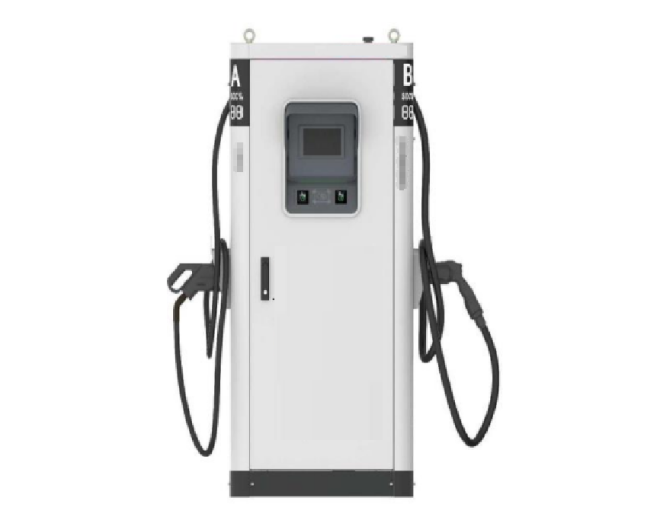
Introduction: Merging Charging Piles with POS Systems
In an era where technology revolutionizes every aspect of daily life, integrating charging piles with Point of Sale (POS) systems is a natural progression. This partnership elevates the electric vehicle (EV) charging experience by enhancing payment flexibility, improving transactional security, and providing operational efficiency. By adopting these integrated systems, operators can meet the evolving demands of consumers and regulatory bodies. This article delves into the multifaceted benefits of using charging piles equipped with POS systems.
Enhancing User Convenience with POS Systems
Seamless Payment Experience
The integration of POS systems into charging piles facilitates a seamless payment experience for users. By allowing drivers to use familiar payment methods such as credit and debit cards, POS systems eliminate the need for multiple mobile apps or RFID cards. This straightforward approach simplifies the charging session and reduces barriers to adoption, especially for new EV drivers.
Real-time Charging Management
With POS systems, users can manage their charging sessions in real-time. The capability to track energy consumption, session duration, and incurred costs encourages informed decision-making and efficient use of charging infrastructure. This real-time information is invaluable for maximizing the availability and utility of charging stations.
Payment Flexibility and Options
Variety of Payment Methods
Charging pile POS systems offer an array of payment options, catering to diverse consumer preferences. In addition to physical cards, digital wallets and contactless payments are supported, accommodating the increasing trend towards cashless transactions. This flexibility is attractive to both wholesale buyers and manufacturers seeking to standardize payment processes across diverse markets.
Global Compatibility
POS systems are designed to comply with international payment standards, making them suitable for global deployment. This compatibility is crucial for manufacturers and factories looking to expand their operations internationally, ensuring consistency in payment methods and user experiences across different regions.
Improved Transaction Security and Trust
Secure Payment Processing
POS systems in charging piles incorporate robust security protocols, including encryption and tokenization, to safeguard sensitive payment data. These measures prevent data breaches and unauthorized access, fostering consumer trust. For wholesale operators, ensuring secure transactions can enhance brand reputation and customer loyalty.
Transparent Transaction Records
The digital nature of POS transactions allows for comprehensive and transparent record-keeping. Electronic records provide an audit trail that is crucial for resolving disputes or discrepancies swiftly. This transparency is particularly beneficial for factories and manufacturers, enabling precise financial planning and inventory management.
Streamlining Operational Efficiency for Operators
Automated Financial Processes
Integrating POS systems automates financial transactions, reducing the need for manual processing and minimizing human error. This automation streamlines accounting operations, benefiting charging station operators by lowering administrative costs and improving accuracy in financial reporting.
Data-Driven Business Insights
Through POS systems, operators can access valuable data analytics on consumer behavior and charging patterns. These insights support strategic decision-making, allowing operators to optimize pricing strategies and enhance customer service offerings. As the factory installation of these systems grows, data analytics become a vital tool for maintaining competitive advantage.
Regulatory Compliance and Industry Standards
Adherence to Regulatory Requirements
The integration of POS systems ensures compliance with national and international regulatory mandates, such as the European Union's Payment Services Directive. These regulations often require cashless payment options at charging stations to promote accessibility and inclusivity for all EV drivers.
Supporting Sustainable Practices
By facilitating efficient and secure payments, POS systems support the broader adoption of electric vehicles, contributing to environmental sustainability goals. Factories and manufacturers committed to eco-friendly practices can leverage this technology to align with global sustainability standards.
Encouraging Adoption of Electric Vehicles
Reduced Charging Barriers
The convenience and efficiency offered by POS-equipped charging piles lower the barriers to EV adoption. Users are more likely to transition to electric vehicles when charging infrastructure is straightforward and hassle-free, thus driving demand for EV products from manufacturers and factories.
Enhanced Consumer Satisfaction
With simplified payment processes and reduced waiting times at charging stations, consumer satisfaction increases. This positive user experience is crucial in promoting the sustained growth of the electric vehicle market, benefitting all stakeholders involved, from wholesale suppliers to end-users.
Competitive Advantage for Charging Station Providers
Differentiation in a Growing Market
As the number of EV charging stations proliferates, distinguishing oneself through value-added services like POS integration becomes a competitive advantage. This differentiation can attract more wholesale customers and establish brand authority in a fast-evolving industry.
Scalability of Infrastructure
The scalability of POS systems allows operators to expand their network efficiently. By supporting increased transaction volumes without compromising service quality, charging station providers, manufacturers, and factories can scale operations to meet rising consumer demands.
Reducing Barriers for New EV Drivers
Simplifying the Transition to Electric Vehicles
For potential EV users, the simplicity of POS payment systems at charging stations is instrumental in overcoming initial resistance to change. By making the charging process as intuitive as traditional fueling, manufacturers and factories can increase the appeal of electric vehicles.
Minimizing Learning Curve
With straightforward payment methods and user-friendly interfaces, POS systems minimize the learning curve for new EV drivers. This ease of use is pivotal in accelerating the transition from internal combustion engine vehicles to electricity, promoting a broader shift towards sustainable transportation options.
Future Prospects: Innovations in POS and EV Charging
Integration with Emerging Technologies
The future of charging piles with POS systems lies in their ability to integrate with emerging technologies such as IoT and AI. These advancements will enable predictive maintenance, personalized user experiences, and dynamic pricing models, further enhancing the efficiency and attractiveness of EV charging infrastructure.
Continual Advancement and Adoption
As technology evolves, continual refinement of POS systems will be essential for keeping pace with consumer expectations and industry trends. The wholesale adoption of these innovations will ensure that manufacturers and factories remain at the forefront of the electric vehicle revolution.
Golong Provide Solutions
Golong is committed to providing comprehensive solutions for integrating POS systems with EV charging infrastructure. Our services include consultation, installation, and maintenance, ensuring seamless implementation and operation. By choosing Golong as your partner, you can leverage cutting-edge technology to enhance user experiences, improve operational efficiency, and meet regulatory standards. Contact us today to learn how we can support your transition to a modern EV charging ecosystem.
User hot search: charging pile with pos system