

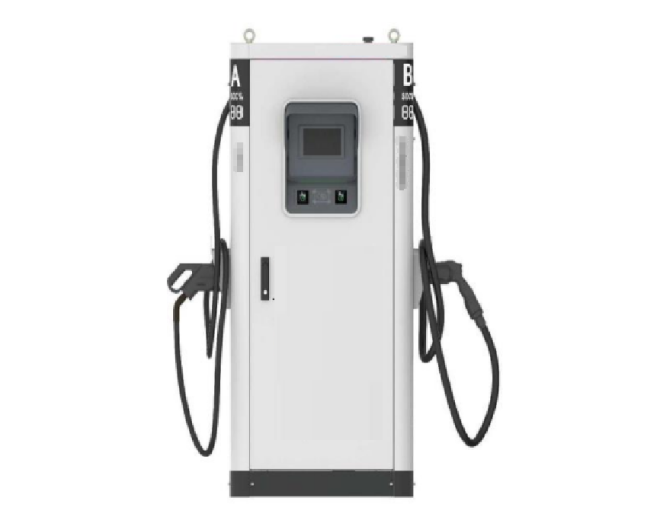
Overview of charging stations
As electric vehicles (EVs) continue to gain traction across the globe, the infrastructure supporting them—namely charging stations—has become increasingly important. Charging stations vary in function and accessibility, ranging from home-based units to public and commercial installations. These stations have different capacities, speeds, and technologies, making them suitable for various needs.
Level 1 Charging Stations
Basic Specification and Usage
Level 1 charging stations are the most straightforward option for EV owners. They use a standard 120-volt AC outlet and provide a charging power of about 1.2 to 2.4 kW. This setup is typically used for home charging, making it suitable for overnight charging.
Advantages and Limitations
The primary advantage of Level 1 chargers is their accessibility, as they do not require special installation or equipment. However, their main limitation lies in their slow charging rate, which generally offers only 4 to 5 miles of range per hour, making them less ideal for drivers needing to charge quickly.
Level 2 Charging Stations
Enhanced Charging for Residential and Commercial Use
Level 2 chargers operate on a 240-volt outlet, allowing them to deliver power at 3 to 19 kW. This significantly reduces charging time, offering approximately 10 to 60 miles of range per hour. These chargers can be installed at home, in workplaces, or public locations.
Impact on Charging Infrastructure
The availability of Level 2 chargers is critical for the adoption of EVs, as they provide a balanced solution for both speed and cost. They are often the choice for manufacturers and factories setting up charging services in commercial areas, as they accommodate a wide range of users.
DC Fast Charging Stations
Rapid Charging for Quick Turnaround
DC fast charging stations provide a high-powered solution to charging needs, delivering 50 to 350 kW. They can charge an EV battery up to 80% in about 30 minutes, offering a rapid turnaround for drivers on long journeys.
Role in Commercial and Public Spaces
These stations are essential for highways and major transit routes, serving as a strategic investment for wholesale suppliers and manufacturers aiming to support long-distance EV travel. The time efficiency they offer makes them indispensable, despite their higher installation and operational costs.
Ultra-Fast Charging Stations
Pushing the Boundaries of Charging Technology
Ultra-fast chargers, delivering up to 350 kW, represent the cutting edge of charging technology. These stations can provide over 200 miles of range in less than 20 minutes. They are crucial for future-proofing the charging infrastructure as battery technology continues to evolve.
Technical and Economical Challenges
While the implementation of ultra-fast charging stations is gaining momentum, the cost can be prohibitive. Wholesale costs for components and infrastructure development are significant, necessitating collaboration between manufacturers, governments, and factory operators.
Wireless Charging Stations
Innovative Solutions for Seamless Energy Transfer
Wireless charging eliminates the need for physical connectors, using electromagnetic fields to transfer energy. These systems, still in developmental stages for wide-scale use, promise convenience, and ease of use.
Potential Applications and Challenges
Wireless systems are being tested for both public and residential applications, with promising results in urban settings. However, technical and cost challenges remain, particularly in achieving efficiencies comparable to wired solutions.
Solar-Powered Charging Stations
Sustainable and Renewable Energy Solutions
Solar-powered stations integrate photovoltaic panels with traditional charging technology, allowing them to harness renewable energy. This system makes logistical and environmental sense, providing a sustainable option for remote locations and green-conscious areas.
Impact on Energy Efficiency and Cost
The initial investment in solar infrastructure can be extensive, but the long-term benefits include reduced reliance on the grid and operational savings. Factories and manufacturers invested in green technologies see these as strategic implementations for reducing their carbon footprint.
Home Charging Stations
Customized Solutions for Residential Needs
Home charging stations are tailored to individual user preferences and vehicle specifications. Level 1 and Level 2 systems are common, with users opting for installations that align with their driving patterns and energy consumption goals.
Installation Considerations
Despite the convenience, installing a home charger involves certain prerequisites, such as adequate electrical infrastructure and potential service upgrades. Wholesale providers and manufacturers often offer packages that simplify this process, making it accessible for the average consumer.
Public Charging Stations
Expanding Access and Convenience for EV Users
Public charging stations are vital for supporting the increasing number of EV users, offering easy access to chargers in urban and rural settings. These stations contribute to the feasibility of EV ownership for people without residential charging access.
Strategic Locations and Partnerships
Selecting locations for public charging involves various stakeholders, including municipalities and wholesale energy suppliers, to ensure optimal placement. Factories manufacturing charging equipment play a crucial role in meeting the demand for these installations.
Future Trends in Charging Station Technology
Technological Innovations and Market Dynamics
The industry is on the brink of several innovations that could redefine the charging landscape. Trends like bidirectional charging, which allows vehicles to return energy to the grid, and advancements in battery technology promise to enhance charging efficiency and efficacy.
Market Implications and Strategic Developments
As manufacturers solicit feedback and data from current systems, they drive advancements that meet consumer expectations for faster and more reliable charging. Factories and wholesale distributors are instrumental in realizing these next-generation solutions, supporting a rapidly evolving market.
Golong Provide Solutions
Golong offers comprehensive solutions for the development and deployment of charging stations, utilizing cutting-edge technologies and strategic partnerships. As a wholesale supplier and leading manufacturer, Golong is committed to advancing EV infrastructure. Our extensive network and factory partnerships provide tailored installations, ensuring compatibility and sustainability. Whether addressing local community needs or large-scale commercial projects, Golong's solutions integrate seamlessly with existing systems, setting the standard for future-ready technology. With a commitment to innovation, we empower a cleaner, more connected world.
