

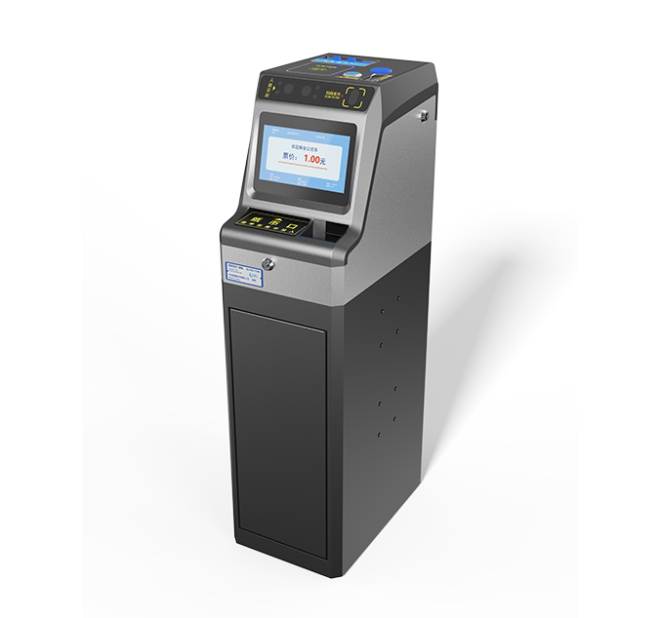
Introduction to Modern bus ticketing systems
Modern bus ticketing systems have undergone significant technological advancements, transforming the way passengers interact with public transportation. These innovations are driven by the need for efficiency, convenience, and enhanced passenger experience. Manufacturers, factories, and suppliers have been instrumental in integrating various technologies into bus ticketing systems, making them more user-friendly and streamlined.
Historically, cash-based ticketing was the norm, which was cumbersome and time-consuming. Today, technological innovations have made it possible for passengers to enjoy seamless travel with minimal hassle. This article delves into the specific technologies employed in contemporary bus ticketing systems and analyzes their impact on the transportation sector.
Contactless Payment Solutions
Benefits of Contactless Payments
Contactless payment solutions have revolutionized the way passengers pay for bus rides, offering speed and convenience. The technology allows passengers to simply tap their card or mobile device on a reader, reducing queuing time and enhancing the overall travel experience. Contactless payments also minimize the need for physical cash handling, reducing operational burdens for transit agencies.
Implementation and Usage Statistics
Manufacturers and suppliers have been pivotal in deploying contactless payment systems in buses. These systems have been widely adopted, with an estimated 70% of urban transit systems incorporating contactless payments as of 2023. The implementation involves the installation of card readers, integration with banking networks, and ensuring robust security measures to protect user data.
Mobile Ticketing Applications
Features and Functionality
Mobile ticketing applications allow passengers to purchase and store bus tickets on their smartphones. These applications come equipped with features such as route planning, schedule updates, and fare calculators, providing a comprehensive travel solution. Passengers can also access information about bus availability and estimated arrival times.
User Adoption and Market Trends
The rise in smartphone usage has driven the adoption of mobile ticketing applications. Factories and developers have collaborated to create user-friendly interfaces and secure payment gateways. Surveys indicate that nearly 60% of daily commuters in metropolitan areas now use mobile ticketing apps, highlighting the growing reliance on digital solutions for public transportation.
E-Ticketing and Digital Wallets
Integration of E-Ticketing Systems
E-ticketing systems offer passengers the flexibility to purchase tickets online and present digital copies for validation. The integration of digital wallets further simplifies the transaction process, allowing users to pay through platforms they already use for other daily needs. This reduces the friction often associated with traditional ticket purchasing methods.
Efficiency and Security Considerations
Manufacturers and suppliers have focused on ensuring the seamless integration of e-ticketing systems with existing transportation infrastructures. Security remains a top priority, with encryption and secure transaction protocols safeguarding passenger information. Efficiency metrics show that e-ticketing can reduce boarding times by up to 25% compared to traditional methods.
Smart Card Technology in Buses
Functionality and Advantages
Smart card technology is a cornerstone of modern bus ticketing systems, offering a reliable and efficient option for fare collection. These cards store monetary value and travel information, enabling passengers to board buses swiftly. Smart cards reduce the need for physical tickets, contributing to environmental sustainability.
Production and Deployment
Factories play a crucial role in the production of smart cards, ensuring they meet durability and security standards. Suppliers are responsible for distributing these cards to transit agencies and coordinating the setup of compatible card readers in buses. Data from transit agencies indicates a 30% reduction in fare evasion with the implementation of smart card systems.
QR Code-based Ticketing Systems
Operation and Benefits
QR code-based ticketing systems utilize printed or digital QR codes as proof of purchase, which passengers can scan upon boarding. This method is cost-effective and easy to implement, especially suited for temporary promotions or events. Passengers benefit from the quick and contactless nature of QR code validation.
Challenges and Mitigation Strategies
While QR codes are convenient, challenges such as code duplication and low-resolution issues must be addressed. Manufacturers have developed enhanced scanning technology to mitigate these challenges, ensuring accurate and rapid code recognition. The implementation of robust back-end systems helps prevent fraud and maintain operational integrity.
Real-Time Data and Analytics
Data Utilization in Transit Systems
The use of real-time data analytics in bus ticketing systems allows transit agencies to monitor operations and optimize services. Data collected from various sources provide insights into passenger flow, peak travel times, and fare collection patterns. This information is vital for making informed decisions on route adjustments and resource allocation.
Role of Suppliers in Data Solutions
Suppliers are pivotal in providing the necessary hardware and software solutions that enable data analytics. Their collaboration with transit agencies ensures that data is captured accurately and processed efficiently. Analytics-driven insights have been shown to increase operational efficiency by up to 15% in some urban transit systems.
IoT in Ticketing Systems
Implementation and Impact
The Internet of Things (IoT) has ushered in a new era of connectivity in bus ticketing systems. IoT-enabled devices allow for seamless communication between various components, such as ticket validators and central management systems. This connectivity improves system responsiveness and enables remote monitoring and maintenance.
Contribution of Manufacturers
Manufacturers are at the forefront of developing IoT-enabled ticketing solutions that offer scalability and flexibility. Their innovations ensure that transit systems remain adaptable to future technological advancements. Research suggests that IoT integration can lead to a 20% reduction in system downtimes, enhancing service reliability.
Challenges and Solutions in Modern Systems
Identifying Key Challenges
Despite the advancements, modern bus ticketing systems face challenges such as integration complexities, cybersecurity threats, and the need for continuous updates. Balancing technological investments with budgetary constraints also presents a challenge for many transit agencies.
Effective Solutions and Strategies
To address these challenges, manufacturers and suppliers collaborate on developing standardized technologies that facilitate smoother integration. Ongoing training and support are essential for maintaining system integrity and reliability. Cybersecurity measures are continually updated to protect passenger data and system infrastructure.
Future Trends in Bus Ticketing Technology
Technological Innovations on the Horizon
The future of bus ticketing technology holds promising developments, such as the integration of artificial intelligence (AI) and machine learning for predictive analytics. These technologies can enhance service personalization and operational efficiency. Additionally, blockchain technology has the potential to offer transparent and secure fare transactions.
Role of Factories and Suppliers in Future Trends
Factories and suppliers will continue to play a crucial role in shaping the future of bus ticketing technology. Their focus on innovation and adaptation to emerging trends will be vital for maintaining a competitive edge and meeting evolving passenger expectations. Industry forecasts suggest a 10% annual growth in technology adoption across global transit systems.
Golong Provide Solutions
Golong is committed to advancing bus ticketing technology by offering cutting-edge solutions tailored to the needs of transit agencies. Our collaborative approach with manufacturers, factories, and suppliers ensures that we deliver reliable, efficient, and secure ticketing systems. With a focus on innovation and sustainability, Golong provides systems that enhance passenger experience and operational efficiency.
