

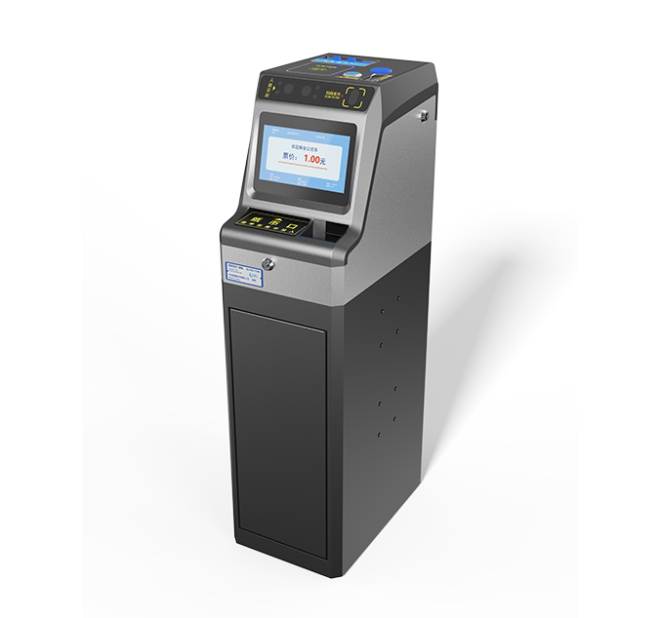
Introduction to Fare Boxes
In the world of public transportation, the fare box is a critical component, acting as the physical manifestation of fare collection. A fare box is typically a metal box installed in buses, streetcars, or other vehicles for the collection of passenger fares. Despite its seemingly simple function, the fare box plays an essential role in the financial and operational aspects of public transportation systems. In this article, we delve into the intricacies of fare boxes, their history, functionality, and future in the context of modern technology.
Historical Origins of Fare Boxes
● Evolution of Fare Collection
The concept of fare collection has been integral to public transportation since its inception. Initially, fare collection was a manual process, with conductors collecting cash directly from passengers. The introduction of fare boxes revolutionized this system, providing a secure and organized means of collecting fares.
● Key Milestones in Fare Box Development
From simple lockboxes to sophisticated electronic systems, fare boxes have evolved significantly. The late 19th and early 20th centuries saw the widespread adoption of mechanical fare boxes, while the latter half of the 20th century introduced electronic fare boxes, paving the way for today's smart systems. Throughout this evolution, fare boxes have adapted to changing technologies and passenger needs.
Purpose and Functionality of Fare Boxes
● Role in Fare Collection
Fare boxes serve the fundamental purpose of collecting fares from passengers, ensuring that transportation services can recoup operational costs. This function is crucial for maintaining the financial stability of public transit systems, allowing them to provide consistent services to the public.
● Fare Boxes and Public Transportation Efficiency
Beyond fare collection, fare boxes contribute to the efficiency of public transportation systems. By automating the fare collection process, they reduce boarding times and streamline operations, enhancing the overall passenger experience. Additionally, fare boxes help prevent fare evasion, ensuring that all passengers contribute their fare share.
Design and Structure of Fare Boxes
● Materials Used in Fare Box Construction
Fare boxes are typically constructed from durable materials such as metal and reinforced plastics to withstand the rigors of daily use. The choice of materials is crucial, as fare boxes need to be resistant to tampering and environmental factors.
● Typical Design Features
Modern fare boxes often incorporate features such as secure locks, tamper-proof designs, and transparent panels for easy inspection. The design of a fare box must balance security, ease of use, and integration with other systems, such as electronic validators and contactless payment interfaces.
Technological Advancements in Fare Collection
● Transition from Manual to Electronic Fare Boxes
The transition from manual to electronic fare boxes marked a significant technological leap in fare collection. Electronic fare boxes allow for more accurate and efficient fare processing, reducing human error and the potential for fraud. These systems can also integrate with digital payment methods, expanding their utility.
● Integration with Contactless Payment Systems
In recent years, the integration of contactless payment systems with fare boxes has transformed fare collection. This development allows passengers to pay fares using cards or mobile devices, offering convenience and reducing the need for cash handling. The adoption of these technologies is a testament to the ongoing innovation in fare box design and functionality.
Economic Impact of Fare Boxes on Public Transit
● Fare Box Revenue and Its Significance
Fare box revenue is a vital source of funding for public transit systems. It directly impacts their ability to maintain and upgrade services. Efficient fare collection via fare boxes ensures that transit agencies can sustain operations and invest in improvements, benefiting both passengers and the broader community.
● Cost Implications for Transit Agencies
While fare boxes generate significant revenue, they also come with costs. Transit agencies must consider the expenses associated with the purchase, installation, and maintenance of fare boxes. Additionally, the advent of sophisticated electronic systems introduces new costs related to technology upgrades and cybersecurity.
Challenges in Fare Box Usage
● Issues Such as Fare Evasion
Fare evasion is a persistent challenge for transit systems worldwide. Without effective fare collection mechanisms, such as secure fare boxes, transit agencies risk losing substantial revenue. Addressing fare evasion requires robust fare box designs and supportive policies to deter non-compliance.
● Maintenance and Operational Challenges
Maintaining fare boxes can be challenging, especially in large transit systems. Issues such as mechanical failure, vandalism, and the need for regular updates to software systems necessitate ongoing attention and resources from transit agencies to ensure optimal performance.
Comparative Analysis: Fare Boxes vs. Modern Alternatives
● Comparison with Digital Ticketing Solutions
Digital ticketing solutions, such as mobile apps and e-tickets, present an alternative to traditional fare boxes. While these solutions offer convenience and operational advantages, fare boxes remain essential for accommodating passengers who rely on cash transactions and for transit systems transitioning toward full digitalization.
● Benefits and Drawbacks of Traditional Fare Boxes
Traditional fare boxes offer simplicity and ease of use but lag in terms of adaptability and integration with emerging technologies. Understanding the benefits and limitations of these systems helps transit agencies decide the best approach to fare collection in their context.
Future Trends in Fare Collection Systems
● Innovations Shaping the Future of Fare Boxes
The future of fare boxes lies in continued innovation, with trends focusing on improving security, expanding payment options, and enhancing data collection capabilities. These advancements aim to provide better service for passengers and enable data-driven decisions for transit agencies.
● Potential Shifts Towards Fully Digital Systems
As digital technology becomes more prevalent, some transit systems may shift towards fully digital fare collection systems, potentially phasing out physical fare boxes. This transition, while complex, could lead to increased efficiency and flexibility for public transit services.
Cultural and Social Implications of Fare Boxes
● Fare Boxes as Societal Symbols
Fare boxes hold cultural significance as symbols of public transportation and urban mobility. They represent the democratization of travel, providing access to essential services for all societal segments.
● Public Perceptions and Attitudes Towards Fare Boxes
Public attitudes towards fare boxes have evolved alongside technological advancements. While some view fare boxes as relics of a bygone era, others appreciate their reliability and ease of use. Understanding these perceptions is crucial for transit agencies as they plan future fare collection strategies.
Conclusion: The Significance of Fare Boxes in Public Transportation
Fare boxes, though often overlooked, are vital components of public transportation systems. Their roles in fare collection, revenue generation, and operational efficiency underscore their importance. As transit systems continue to evolve, fare boxes will adapt, integrating new technologies to meet the needs of modern passengers and service providers.
Golong: Pioneering Public Transportation Solutions
Golong, established in 2015, specializes in public transportation payment aggregation systems and the development of Internet intelligent big data products. With expertise in Internet of Things, face recognition, travel payment, digital currency, and software and hardware development, Golong is at the forefront of innovation. Their solutions enhance public transportation efficiency, providing advanced services across domestic and international markets.
