

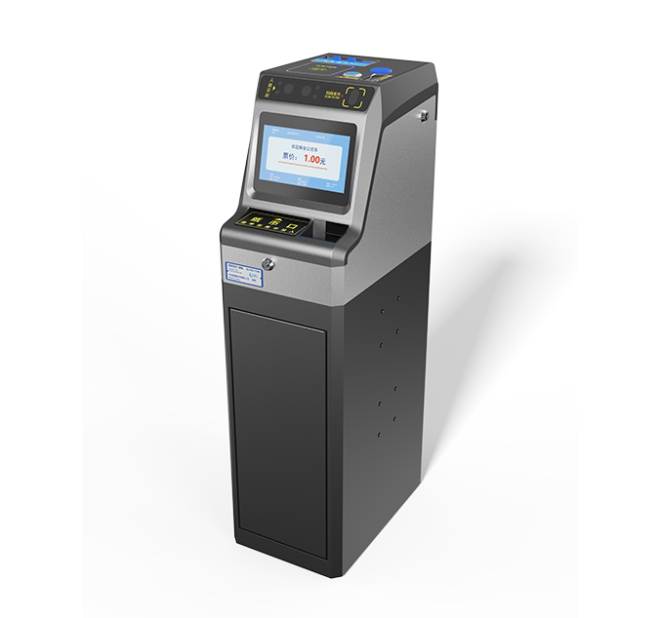
Understanding how to use a TAP card on the metro bus system is vital for efficient and seamless travel in many cities where this technology is implemented. With advancements in public transportation systems, TAP cards have become essential tools for commuters, offering a convenient, cashless way to pay for rides. This article will guide you through the process of using a TAP card on metro buses, covering everything from obtaining a card to making the most of its features, while also touching on key industry players, such as the metro bus farebox suppliers and manufacturers.
1. Understanding the TAP Card System
● Overview of TAP Cards and Their Purpose
TAP (Transit Access Pass) cards are part of a broader initiative to modernize public transportation systems by offering a more efficient and streamlined payment method. These smart cards store cash value or travel passes that can be used to pay fares on participating metro buses and other forms of public transit.
● Types of TAP Cards Available for Riders
There are various types of TAP cards designed to cater to different rider needs, including regular, senior, and student cards, as well as those for persons with disabilities. Each card type may offer different benefits and fare options, ensuring that all passengers have access to suitable transit solutions.
2. Where to Obtain a TAP Card
● Locations to Purchase or Reload a TAP Card
TAP cards can be purchased at various locations, including transit stations, designated retail outlets, and some supermarkets. There are also TAP vending machines available at key transit hubs that provide an easy and quick option for purchasing or reloading cards.
● Online TAP Card Purchasing Options
For increased convenience, TAP cards can also be ordered online through official transit websites. This option allows passengers to plan their travel ahead of time and avoid any potential queues at physical purchase locations.
3. Preparing for Your Metro Bus Ride
● Planning Your Trip with Schedules and Route Information
A successful metro bus trip begins with thorough planning. Utilize available tools such as online route planners, mobile apps, or printed schedules to map out your journey. This preparation ensures that you are aware of the bus timings and routes, making your transit experience smoother.
● Arriving at the Bus Stop Early to Prevent Delays
Regardless of how well-planned a trip may be, unexpected delays can occur. Arriving at your designated bus stop a few minutes ahead of schedule can help mitigate these issues, allowing for discrepancies between your watch and the metro bus schedule.
4. How to Use the TAP Card on Metro Buses
● Steps to Board the Bus Using Your TAP Card
Once your TAP card is loaded with fare value, boarding the metro bus is straightforward. Approach the bus entrance and locate the farebox. Ensure that the digital display on the bus confirms the route before boarding.
● Tapping the Card Correctly at the Farebox
When you enter the bus, hold your TAP card against the designated reader on the metro bus farebox. The system will deduct the appropriate fare amount from your card balance. Confirm your fare deduction by checking for a green light or an audio beep, indicating a successful transaction.
5. Boarding the Metro Bus: Key Steps
● Recognizing Transit Authority Signs and Bus Information
Understanding transit authority signs and bus numbering is crucial for selecting the correct bus. Look for digital displays or side panel signage indicating the bus number and destination.
● Proper Boarding Etiquette and Seat Selection
Upon boarding, move swiftly to your seat to avoid obstructing the entrance. If seats are unavailable, secure a safe standing position by holding onto the available handrails. Always consider priority seating for elderly or disabled passengers.
6. Exiting the Metro Bus Safely
● Notifying the Driver of Your Stop in Advance
Alerting the driver well before your intended stop ensures that the bus halts at the right location. You can do so by pressing the designated stop request button or pulling the overhead cord.
● Tips for Safe Bus Exiting and Street Crossing
Wait until the bus has come to a complete stop before leaving your seat. Exit through the nearest rear door to maintain the flow of passengers. Once off the bus, wait for it to move away before crossing the street, ensuring optimal visibility.
7. Safety and Courtesy on Metro Buses
● Following Safety Guidelines for a Smooth Experience
Adhering to safety guidelines keeps both you and fellow passengers secure. Stay seated when possible, avoid distracting the driver, and report any suspicious activity immediately.
● Keeping Aisles Clear and Minimizing Disruptions
Keep personal belongings close to you and out of the aisle to prevent tripping hazards. Avoid loud conversations or phone calls that may disrupt the journey for others.
8. Accessibility Features for All Riders
● ADA Compliance and Accessible Buses Information
Metro buses are equipped with features complying with the Americans with Disabilities Act (ADA), such as wheelchair ramps and priority seating. These adaptations ensure that public transit is accessible to everyone, irrespective of physical ability.
● Assistance for Seniors and Riders with Disabilities
Drivers are instructed to assist seniors and riders with disabilities, providing necessary support for boarding and securing wheelchairs. This ensures a safe and comfortable journey for all passengers.
9. Managing TAP Card Issues and Replacements
● What to Do in Case of Lost or Malfunctioning TAP Cards
If your TAP card is lost or becomes dysfunctional, contact customer service promptly for replacement procedures. Keep your TAP card information handy for quick resolution.
● Contacting Customer Support for Additional Help
For further assistance, reach out to the transit authority’s customer service via phone or through their official website. They can provide guidance on card issues, travel tips, or general inquiries.
10. Benefits of Using TAP Cards
● Cost Savings and Convenience of Using TAP Cards
TAP cards simplify payment with a cashless system that often includes fare discounts and transfer benefits, offering significant savings over time.
● Encouraging Sustainable Transportation and Community Impact
By using a TAP card, you participate in a sustainable transportation model that reduces cash handling and speeds up boarding times, contributing positively to community transit operations.
● Industry Insights: The Role of Metro Bus Farebox Systems
The efficiency of TAP cards is supported by metro bus farebox systems, which facilitate quick and accurate fare collection. Wholesale metro bus farebox manufacturers, suppliers, and factories are critical in providing the technology needed for this streamlined process, ensuring that municipalities can offer reliable transit payment solutions.
Company Profile: Golong
Established in 2015, Golong is a pioneering company in the field of public transportation payment aggregation systems. With a focus on the development and application of Internet intelligent big data products, Golong maintains a leading position in areas including Internet of Things, face recognition, and digital currency. As innovators of both software and hardware solutions, Golong aims to enhance travel payment systems worldwide, providing operational services that improve urban transit experiences. Their commitment to technological advancement and customer satisfaction has marked them as a key player in this evolving industry.
