

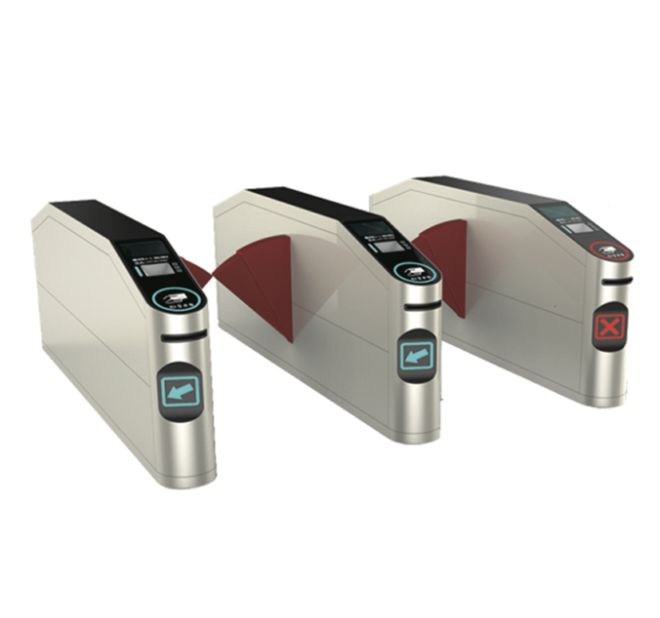
Introduction to smart parking machines
In the modern urban landscape, smart parking machines are revolutionizing the way we manage vehicle parking. These machines are not only saving time for drivers but also enhancing the efficiency of parking management for cities worldwide. As the demand for parking solutions grows, wholesale and manufacturer interest in smart parking technology has surged, pushing innovation forward.
Definition and Basic Functionality
Smart parking machines are advanced devices used to streamline the process of parking vehicles. These machines use sensors, cameras, and real-time data processing to automate the parking process. They offer functions like identifying vacant spots, guiding drivers to available spaces, and managing payments seamlessly.
Historical Context
The concept of smart parking has evolved over the decades. Initially, parking meters were the only tools available, requiring manual operation. However, technological advancements in the late 20th century began to integrate digital payment systems and sensors, laying the groundwork for modern smart parking solutions.
How Smart Parking Machines Work
Understanding the mechanics of smart parking machines provides insight into their significant impact on urban environments. These systems consist of various components working in harmony to offer a seamless parking experience.
Key Components and Operations
Smart parking machines typically include hardware components such as sensors, cameras, and digital interfaces. The sensors detect the presence or absence of vehicles in parking spots, while cameras can capture images or videos for security and data analysis. These hardware elements are complemented by software systems that process data in real-time, providing accurate parking information and facilitating efficient decision-making.
Data Collection and Usage
Data is at the core of smart parking systems. Sensors collect data on parking space availability, while payment systems track transaction details. This data is used to optimize parking space usage, reduce congestion, and improve traffic flow, ultimately enhancing urban mobility.
Benefits of Smart Parking Machines
Smart parking machines offer numerous benefits for both drivers and city planners. From reducing time spent searching for parking to minimizing emissions, the advantages are multifaceted.
Efficiency and Convenience
Smart parking machines reduce the average time drivers spend searching for a parking spot by up to 30%, as per recent studies. This increase in efficiency translates to reduced fuel consumption and lower emissions, promoting environmental sustainability.
Economic Advantages
Cities implementing smart parking solutions report revenue increases due to optimized parking space usage and reduced traffic fines. For manufacturers and factories producing these machines, there is a growing wholesale market driven by city initiatives to modernize infrastructure.
Features of Advanced Parking Machines
Advanced smart parking machines come equipped with state-of-the-art features designed to enhance user experience and operational efficiency.
Automated Payment Systems
One of the most significant features is the automated payment system, which allows drivers to pay for parking via mobile apps, credit cards, or digital wallets. This convenience reduces the need for physical cash and streamlines the payment process.
User-Friendly Interfaces
These machines often feature intuitive digital displays that guide users through the parking and payment process. Such interfaces are designed to be accessible to a wide range of users, including those with limited technological proficiency.
Technology Behind Smart Parking Systems
Smart parking systems rely on a blend of hardware and software technologies to deliver their benefits efficiently.
Sensor Technology
Sensors are crucial for detecting vehicle presence in parking spaces. They use technologies like infrared, ultrasonic, or magnetic detection to provide real-time data on parking spot occupancy.
Cloud Computation and IoT
Cloud computing and the Internet of Things (IoT) enable the integration and processing of vast amounts of data collected by smart parking systems. This technology facilitates real-time communication between machines and users, improving the overall parking experience.
Impact on Urban Planning and Development
Smart parking machines are reshaping how cities plan and manage urban spaces. Their impact is both systemic and transformative.
Reducing Urban Congestion
By optimizing parking space utilization, these machines help decrease traffic congestion, particularly in densely populated areas. This optimization supports urban planners in designing more efficient transportation networks.
Influence on Real Estate
The implementation of smart parking solutions can increase the value of nearby real estate properties by improving accessibility and reducing traffic-related nuisances. Developers are increasingly considering these factors in their projects.
Challenges in Implementing Smart Parking Solutions
Despite their benefits, deploying smart parking machines comes with several challenges that need to be addressed to ensure their success.
Technical and Operational Challenges
Maintaining technical systems to keep them operational and secure is a significant challenge. Ensuring data privacy and protecting systems from cyber threats are vital to maintaining public trust.
Cost and Investment
Initial investment in smart parking infrastructure can be substantial, posing a barrier for some cities and regions. The cost-effectiveness of these solutions depends on long-term planning and alignment with smart city objectives.
Case Studies of Successful Implementations
Various cities have successfully implemented smart parking solutions, offering valuable lessons for others looking to adopt this technology.
Example City A
This city launched a comprehensive smart parking initiative, integrating thousands of sensors and implementing a centralized data management system. As a result, the city reported a 25% decrease in traffic congestion within the first year.
Example City B
Another city's focus on user experience led to the development of a highly-rated mobile app that integrates seamlessly with parking machines. The city experienced a significant reduction in parking-related complaints, showcasing the effectiveness of user-centered design.
Future Trends in Smart Parking Technology
The future of smart parking technology is promising, with innovations continually emerging to improve efficiency and effectiveness.
Integration with Autonomous Vehicles
As autonomous vehicles become more prevalent, smart parking systems will need to adapt to accommodate these vehicles, which require less space and can park themselves without human intervention.
Enhanced Data Analytics
Future systems will likely leverage advanced data analytics to predict parking trends and provide dynamic pricing models, further optimizing the use of available spaces and generating additional revenue streams.
Conclusion and the Way Forward
Smart parking machines represent a critical component of modern urban infrastructure, offering significant benefits in efficiency, convenience, and economic opportunity. As cities and manufacturers continue to innovate and collaborate, these systems will play an increasingly vital role in shaping sustainable urban environments.
Golong Provide Solutions
Golong offers innovative smart parking solutions designed to meet the complex demands of urban environments. By integrating cutting-edge technology with user-centric design, Golong ensures efficient parking management and enhanced user experience. Whether your need is for a wholesale purchase or partnering with a manufacturer, Golong's solutions are tailored to support cities and businesses in achieving smarter parking systems. Contact Golong today to discover how their solutions can transform your parking infrastructure.
