

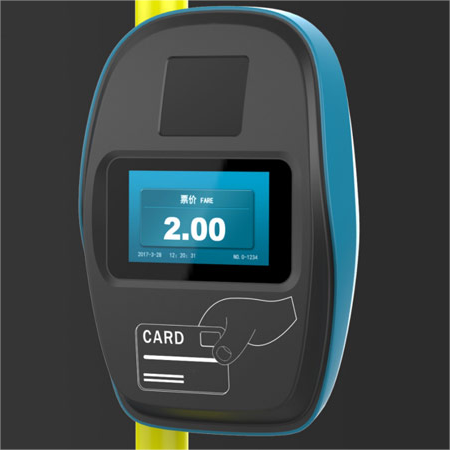
Introduction to validator buses
Validator buses have become a cornerstone of modern technology infrastructure, particularly in the realm of blockchain and distributed systems. These buses serve as crucial components that validate transactions and ensure the integrity and security of the network. They are integral not only in maintaining consensus but also in supporting scalability and efficiency in blockchain operations. As the demand for robust and secure digital ledgers increases, the importance of validators in maintaining the integrity of these systems cannot be overstated.
Role in Blockchain Systems
Maintaining Network Consensus
The primary role of a validator bus in blockchain systems is to maintain network consensus. Consensus mechanisms, such as Proof of Work (PoW) and Proof of Stake (PoS), rely heavily on validators to verify transactions and add new blocks to the blockchain. By doing this, validators help to prevent double-spending and ensure that all participants in the network agree on the current state of the ledger.
Enhancing Security and Trust
Another critical role of validator buses is to enhance security and trust within the network. By verifying transactions, validators act as gatekeepers, ensuring that only legitimate transactions are processed. This is particularly important in public blockchains, where participants may not know or trust each other. Validator buses establish a trustless environment where security is maintained through cryptographic methods.
Components of a Validator Bus
Hardware and Infrastructure
The hardware components of a validator bus typically include high-performance processors, ample RAM, and secure storage solutions. These components must work seamlessly to handle large volumes of transactions efficiently. Data centers, often established by manufacturers or suppliers, play a crucial role in hosting these hardware setups, ensuring they operate without interruption.
Software and Protocols
Software is the backbone of a validator bus’s operation. Protocols define how validators communicate and agree on the state of the blockchain. Manufacturers and developers of validator bus software ensure that their products are robust and secure, adhering to industry standards and regulatory requirements. Frequent updates and security patches are essential to counteract emerging threats.
Technical Specifications and Requirements
Processing Power and Scalability
Validator buses require formidable processing power to handle the validation workload efficiently. For instance, a validator might need to process thousands of transactions per second. Ensuring scalability is critical, and this relies on both hardware capacity and network optimization to accommodate growing transaction volumes without sacrificing performance.
Energy Consumption and Efficiency
Energy efficiency is another important aspect of validator buses. As factories develop more powerful systems, they must balance performance with energy consumption. For example, in PoW systems, energy consumption can be substantial, prompting a shift towards more energy-efficient models like PoS. Suppliers of energy-efficient components are in high demand as businesses aim to reduce operational costs and environmental impact.
Validator Bus Network Topology
Centralized vs. Decentralized Networks
Validator bus networks are typically structured in either centralized or decentralized topologies. In centralized networks, a single entity controls the validation process, which can streamline operations but may introduce vulnerabilities. On the other hand, decentralized networks distribute validation across multiple nodes, enhancing security and resilience against attacks.
Interoperability and Connectivity
Interoperability is a key requirement for validator buses operating across different blockchain platforms. Connectivity solutions provided by suppliers facilitate seamless communication between various blockchain protocols, allowing for greater flexibility and utility in validator operations. Manufacturers must design buses that can adapt to multiple environments without compromising performance.
Security Measures for Validator Buses
Cryptographic Techniques and Protocols
Security is paramount in validator bus design. Cryptographic techniques such as hashing and digital signatures ensure that data is transmitted securely and only accessible to authorized parties. Suppliers of cryptographic solutions must comply with evolving security standards to protect against new threats.
Physical and Cyber Security
In addition to virtual threats, physical security is critical for validator buses. Manufacturers often implement stringent physical security protocols, including surveillance and access controls, to protect data centers hosting validator hardware. Cybersecurity measures include firewalls, intrusion detection systems, and regular security audits to identify vulnerabilities.
Performance Optimization Techniques
Load Balancing and Latency Reduction
Performance optimization ensures that validator buses operate at peak efficiency. Load balancing techniques distribute the transaction processing workload evenly across the network, reducing latency and enhancing throughput. Manufacturers develop specialized algorithms to minimize delays and maximize the speed of transaction processing.
Monitoring and Maintenance
Regular monitoring and maintenance of validator buses are essential to maintain optimal performance. Suppliers offer tools and services for real-time performance tracking, identifying bottlenecks, and scheduling preventive maintenance. These activities help in avoiding downtime and maintaining the reliability of validation processes.
Regulatory and Compliance Considerations
Data Privacy and Protection Laws
Compliance with data privacy and protection laws is a major concern for validator bus operators. Regulations such as GDPR impose strict requirements on how data is collected, processed, and stored. Manufacturers must ensure that their validator buses are equipped with features that support compliance with these laws.
Licensing and Certification
Engaging in validation activities often requires specific licenses and certifications. Suppliers must navigate complex regulatory landscapes to ensure that their products are legally compliant. This can involve acquiring certifications that verify the security and performance standards of validator buses.
Challenges Facing Validator Buses
Technological and Operational Hurdles
Validator buses face various technological challenges, including the need for constant updates to keep up with fast-evolving blockchain technologies. Operational challenges involve maintaining uptime, managing costs, and scaling effectively. Manufacturers and suppliers need to innovate continually to address these challenges.
Market Competition and Pricing
The validator bus market is highly competitive, with numerous manufacturers and suppliers vying for market share. Competitive pricing is essential, but it must be balanced with the need to maintain high product quality and innovation. Finding the right balance is key to succeeding in this dynamic market.
Future Trends and Developments
Advancements in Blockchain Technology
The future of validator buses is closely tied to advancements in blockchain technology. Developments in quantum computing, sharding, and cross-chain operations require validator buses to adapt and evolve. Manufacturers are investing in research and development to anticipate and integrate these future technologies.
Emerging Use Cases and Applications
Validator buses are expected to play a pivotal role in emerging blockchain applications, such as decentralized finance (DeFi), supply chain management, and digital identity verification. Suppliers must be agile and innovate continuously to cater to these burgeoning markets and their unique validation needs.
Golong Provide Solutions
Golong offers comprehensive solutions to meet the demands of modern validator bus operations. Our approach includes state-of-the-art hardware and software designed for high performance and energy efficiency. We provide tailored interoperability and security solutions to ensure seamless integration with existing blockchain systems. Our team of experts offers continuous support and maintenance, ensuring that your validator operations are both compliant with regulatory standards and optimally efficient. Partner with Golong to leverage cutting-edge technology and secure your network's future.
