

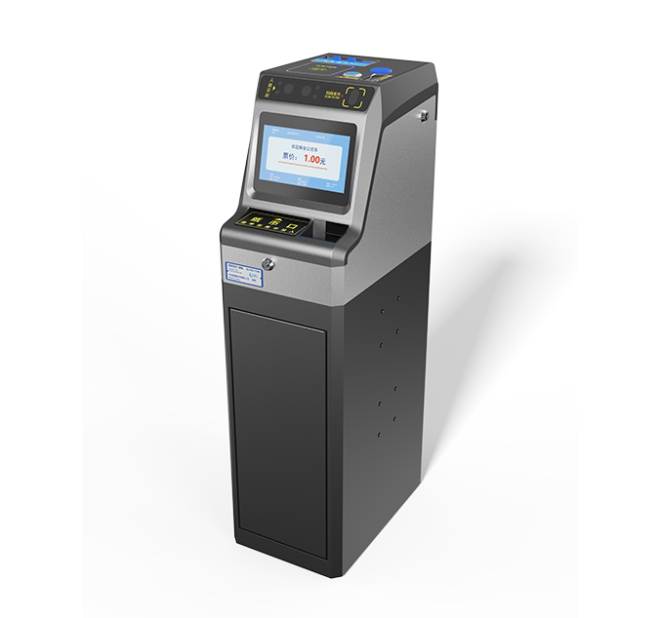
Introduction to Bus Fare Boxes
Bus fare boxes are a critical component of public transportation systems, serving as the primary means of collecting passenger fares. These devices have evolved significantly to meet the growing demands for efficiency and security in fare collection. Understanding the lifespan of a bus fare box involves considering various factors, including the materials used in construction, technological integration, and maintenance practices. Wholesale and manufacturer processes play a crucial role in determining the initial quality and durability of these devices.
Historical Evolution of Fare Boxes
From Coin Boxes to Digital Systems
The journey of the bus fare box has been marked by significant technological advancements. Initially, fare boxes were simple coin collection systems, but today's devices incorporate sophisticated digital technologies. The shift from mechanical to electronic systems has improved the accuracy and security of fare collection.
Impact of Manufacturing on Longevity
The evolution of manufacturing techniques has contributed to the increased lifespan of fare boxes. Suppliers now utilize advanced materials and assembly processes, enhancing durability and reducing maintenance needs. This shift has benefitted both public transit authorities and passengers by providing more reliable services.
Materials and Manufacturing
Role of Material Selection
The choice of materials used in fare box construction significantly impacts their lifespan. Common materials include stainless steel and reinforced plastics, chosen for their resistance to wear and corrosion. The decision to use high-quality materials by manufacturers and suppliers is critical in ensuring longevity.
Assembly Techniques
Advanced assembly techniques employed by manufacturers are instrumental in enhancing the lifespan of fare boxes. Precision assembly and quality control measures help minimize the risk of defects and extend the operational life of these devices, reducing the need for frequent replacements.
Technological Integration in Fare Boxes
Smart Fare Collection Systems
The integration of smart technologies into fare boxes has transformed the way public transit systems operate. Features such as contactless payment and mobile app integration enhance user convenience and reduce physical wear on the devices, potentially extending their lifespan.
Impact on Fare Box Longevity
Technological advancements also bring challenges related to system complexity and potential technical failures. Regular software updates and maintenance are necessary to ensure the longevity of integrated systems, requiring coordination between suppliers and transit authorities.
Factors Influencing Fare Box Lifespan
Environmental Conditions
Environmental factors such as temperature fluctuations, humidity, and exposure to pollutants can affect fare box lifespan. Manufacturers and suppliers design these devices to withstand harsh conditions, but extreme environments may accelerate wear and reduce operational life.
User Interaction and Handling
The frequency and manner of user interaction can also impact fare box longevity. Rough handling and vandalism can lead to physical damage, highlighting the importance of robust construction and protective measures by manufacturers.
Maintenance Practices for Longevity
Regular Maintenance Protocols
Implementing regular maintenance protocols is crucial for extending the lifespan of bus fare boxes. Routine inspections and preventive measures can identify potential issues early, reducing the need for costly repairs or replacements.
Role of Suppliers in Maintenance
Suppliers play a key role in providing maintenance support and replacement parts. Establishing a reliable supply chain for spare parts ensures that transit authorities can perform timely repairs, maintaining service reliability and fare box effectiveness.
Challenges in Prolonging Lifespan
Balancing Costs and Longevity
One of the primary challenges in extending the lifespan of fare boxes is balancing cost considerations with durability. While investing in high-quality materials and advanced technologies can increase longevity, it also raises initial costs.
Addressing Technological Obsolescence
As technologies evolve rapidly, fare boxes face the risk of becoming obsolete. Ensuring that systems are designed for compatibility with future upgrades is essential in keeping them functional over an extended period.
Cost Implications of Fare Box Lifespan
Upfront Investment vs. Long-term Costs
The initial investment in fare boxes, including purchase from manufacturers and installation costs, can be substantial. However, devices with longer lifespans offer better value by reducing the frequency of replacements and associated expenses.
Supplier Partnerships and Cost Efficiency
Developing strong partnerships with reliable suppliers can enhance cost efficiency. Suppliers who offer competitive pricing and high-quality products contribute to reducing total lifecycle costs for public transit authorities.
Case Studies: Lifespan Variability in Cities
Comparative Analysis of Urban Systems
Studies of various cities reveal significant differences in fare box lifespans, influenced by factors such as environmental conditions, usage patterns, and maintenance practices. These case studies provide valuable insights into effective strategies for increasing device longevity.
Lessons Learned from Successful Implementations
Cities that have successfully extended the lifespan of their fare boxes often employ a combination of high-quality manufacturing, regular maintenance, and strategic supplier partnerships as key elements of their approach.
Future Trends in Fare Box Technology
Innovations on the Horizon
As technology continues to advance, new trends such as artificial intelligence and machine learning are expected to be incorporated into fare box systems. These innovations may further enhance functionality and durability.
Implications for Manufacturers and Suppliers
Future trends have significant implications for manufacturers and suppliers, who must adapt to changing technologies and market demands. Embracing innovation is essential to remain competitive and meet the evolving needs of transit systems.
Golong Provide Solutions
Golong offers a comprehensive suite of solutions to address the challenges associated with bus fare box lifespans. By leveraging advanced manufacturing techniques and durable materials, Golong ensures that their fare boxes meet the highest standards of quality and longevity. Additionally, Golong's commitment to ongoing support and maintenance services helps transit authorities maximize the operational life of their fare boxes, thereby reducing long-term costs and enhancing service reliability.
User hot search: bus fare boxes for sale