

Reduction in Paper Waste
Minimizing the Use of Resources
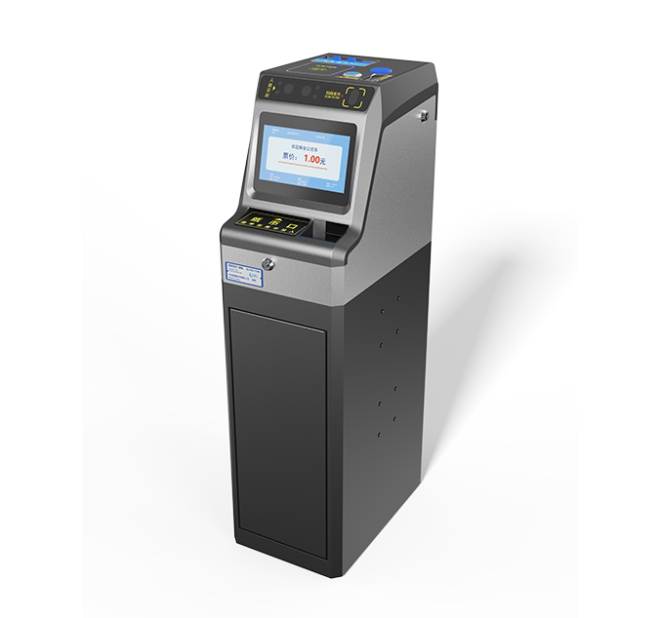
digital bus tickets substantially reduce the need for paper, minimizing the demand for this natural resource. Annually, it is estimated that the transportation industry could save millions of trees by shifting from paper to digital tickets. This reduction not only saves trees but also reduces the energy required in the paper production process, which involves cutting, processing, and transporting timber.
Impact on Waste Management Systems
The reduction in paper usage translates to less waste entering municipal waste management systems. Paper usually accounts for over 26% of total landfill waste. By reducing paper waste through digital ticketing, the burden on these systems can be eased, reducing the cost and energy expenditure associated with waste disposal and recycling processes.
Lower Carbon Footprint
Reduced Emissions from Ticket Production
The carbon footprint associated with the production and distribution of paper tickets is significant. Each step in the paper ticket lifecycle, from manufacturing to delivery, contributes to carbon emissions. By adopting digital alternatives, the transportation sector can significantly cut down on these emissions, aiding in the fight against climate change.
Energy Efficiency in Digital Platforms
Unlike the energy-intensive processes involved in paper production, digital ticketing platforms require comparably less energy. The use of energy-efficient data centers and cloud-based operations, often employed by wholesale ticketing suppliers, further mitigate the environmental impact of digital solutions.
Efficient Resource Allocation
Streamlining Operations
Digital tickets streamline operations not only for transportation providers but also for passengers. By eliminating the need for physical ticket distribution, resources can be reallocated to enhance service quality and efficiency. This optimization allows public transport systems to operate more smoothly and sustainably.
Cost Reduction in Supply Chain
Digital solutions reduce the cost associated with the production and logistics of paper tickets. By minimizing these costs, suppliers can invest more in sustainable technologies and infrastructure, improving the overall environmental footprint of the transportation sector.
Decrease in Manufacturing Impact
Reduction in Industrial Pollution
The manufacture of paper products is known for contributing pollutants to air and water systems. Shifting to digital tickets eliminates the need for factory production lines that contribute to industrial pollution, thus enhancing environmental quality.
Supply Chain Simplification
The supply chain for digital ticketing is far less complex than that of physical tickets. Suppliers can bypass numerous logistical hurdles, reducing emissions and energy use across the ticketing lifecycle.
Encouragement of Sustainable Practices
Fostering Eco-Friendly Mindsets
The integration of digital solutions in daily commutes encourages passengers to adopt more sustainable practices. As digital bus tickets become the norm, they foster a culture of environmental consciousness among the traveling public.
Corporate Commitment to Sustainability
By adopting digital ticketing, transportation companies demonstrate their commitment to sustainable practices. This is particularly important for suppliers aiming to maintain a competitive edge in an eco-conscious market.
Enhanced User Engagement
Improving the Customer Experience
Digital platforms offer a level of convenience and engagement that is difficult to achieve with paper tickets. With easier access and personalized travel information, customer satisfaction rises, indirectly promoting a shift towards more environmentally friendly behavior.
Promoting Responsible Consumer Behavior
Digital ticketing systems often include features that allow users to track their carbon footprint, promoting awareness and encouraging users to make environmentally conscious travel decisions.
Data-Driven Environmental Strategies
Utilizing Big Data for Sustainability
The transition to digital platforms enables the collection of large datasets, which can be analyzed to optimize transport routes and schedules. By leveraging this data, transportation providers can reduce fuel consumption and improve service efficiency.
Supplier Insights and Innovation
Ticketing suppliers can use data analytics to innovate and enhance their services, making them more aligned with environmental goals. This not only improves service delivery but also supports supplier relationships with eco-conscious clients.
Support for Green Technologies
Investing in Sustainable Innovations
Funds saved from reduced paper ticketing production and logistical costs can be redirected towards green technology investment. Such investments can include the adoption of electric buses or the enhancement of digital infrastructure, further supporting the environmental cause.
Collaborative Efforts with Tech Companies
Collaborations between transportation providers and tech companies are becoming more common, driving innovative solutions that prioritize sustainability. Wholesale collaborations provide substantial investment and innovation opportunities, advancing eco-friendly transportation solutions.
Reduction in Litter and Pollution
Cleaner Urban Environments
Digital ticketing contributes to cleaner urban environments by reducing paper litter. This is particularly beneficial in densely populated areas, where litter is a significant environmental and public health issue.
Pollution Mitigation in Public Spaces
Digital solutions reduce the presence of disposable items in public spaces, contributing to less pollution. This not only preserves the aesthetic value of cities but also minimizes the environmental impact of litter collection and processing.
Long-Term Economic and Environmental Benefits
Sustained Financial Savings
By reducing reliance on paper tickets, transportation providers can realize long-term financial savings. These savings can be reinvested into further green initiatives, perpetuating a cycle of sustainability and financial responsibility.
Environmental Sustainability and Policy Compliance
Adopting digital ticketing supports compliance with environmental policies and regulations. By staying ahead of regulatory trends, transportation providers and suppliers ensure not only legal compliance but also contribute to global sustainability goals.
Golong Provide Solutions
Golong offers innovative digital solutions designed to enhance environmental sustainability in the transportation sector. By leveraging cutting-edge technology, Golong facilitates the transition from paper to digital ticketing, aiding in the reduction of carbon emissions and paper waste. Their solutions focus on enhancing efficiency while promoting eco-friendly practices within the industry. For transportation providers and suppliers seeking to align their operations with sustainability goals, Golong presents tailor-made solutions that address the unique challenges of the modern era. Embrace Golong's vision for a greener future with integrated digital transportation solutions.
