
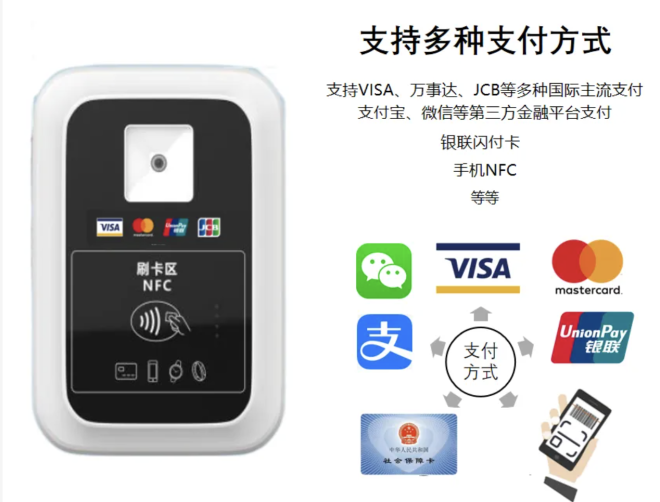
As the world of business goes digital, a new payment solution is gaining popularity. The All-in-One card reader payment terminal is changing how merchants handle transactions and connect with customers.
Streamlining Business Operations and Enhancing the Customer Experience

An All-in-One payment terminal is more than a simple card swiper. It is a strong platform that makes payment processing easier. It also helps with back-office management.
What is an All-in-One Payment Terminal?
An All-in-One payment terminal is a device that combines a Point-of-Sale (POS) system with various payment options. It combines hardware, such as a touchscreen, card reader, and NFC area, with software.
This creates a system that can handle payments from different sources. These sources include credit cards, debit cards, mobile wallets like Apple Pay and Google Pay, and QR code scans.
This design combines everything into one system. It helps merchants avoid using many different devices. This makes the checkout process easier.
Key Features Driving Market Adoption
The widespread popularity of All-in-One payment terminals is driven by their diverse core features:
- Diverse Payment Options: We support traditional magnetic stripe cards, EMV chip cards, NFC contactless payments, and QR code scanning. This helps meet the different payment habits of today’s consumers.
- Seamless POS Integration: This feature connects directly with current POS systems. It allows real-time updates and unified management of sales, inventory, and customer data. This greatly reduces manual work and errors.
- Enhanced Security: This system has advanced encryption technology. It can read EMV chips and meets industry security standards like PCI DSS. These features help prevent fraud and keep transactions safe for both merchants and customers.
- Flexibility and Mobility: Many suppliers now provide portable or mobile terminals. This lets merchants complete transactions anywhere in the store or even outside.
Significant Advantages for Modern Businesses
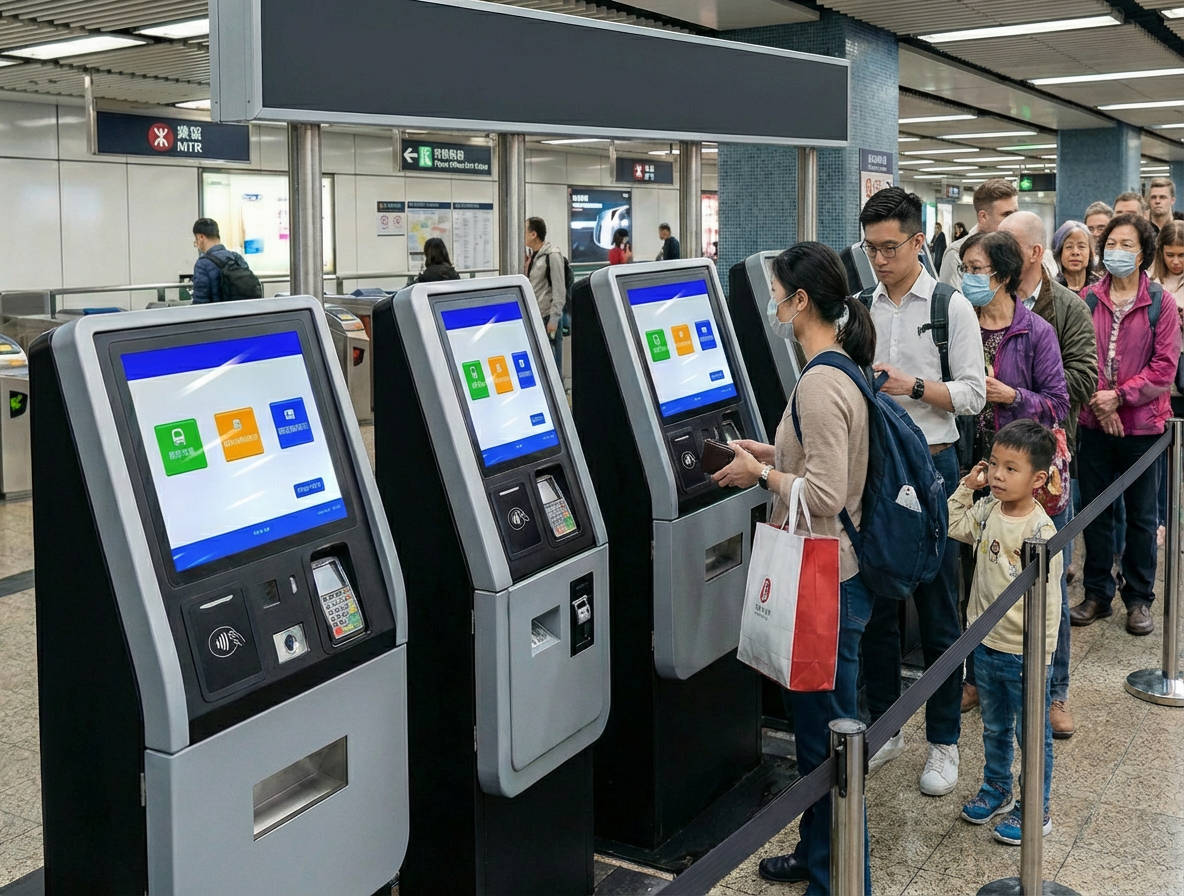
For small and medium-sized enterprises (SMEs), adopting an All-in-One payment terminal brings numerous benefits. First, it significantly improves operational efficiency by automating the transaction process, allowing employees to focus more on customer service.
Second, instant processing of digital payments helps manage cash flow better. Funds enter the business account more quickly. Furthermore, offering flexible and convenient payment options can effectively reduce sales lost due to payment limitations, thereby increasing revenue.
Current Market Trends and Innovations
In recent years, the payment industry has seen many new technologies. These are being added to the latest All-in-One terminals.
- Artificial Intelligence and Machine Learning: AI is widely used to improve payment approval rates. It helps detect fraud in real-time. By analyzing large amounts of transaction data, AI can spot potential risks. This makes the payment process safer and smarter.
- Tap-to-Pay Technology: This lets merchants use their smartphones as payment terminals. They can accept contactless payments without extra hardware. This makes it much easier for merchants to accept digital payments.
- Cross-Border and Real-Time Payments: As globalization increases, more people want faster and better cross-border payment solutions. Future payment systems will better support Real-Time Payment (RTP) networks, enabling the instantaneous flow of funds.
What's Next for Payment Solutions?
payment terminals will evolve to become even more seamless and intelligent. Industry experts predict that biometric technologies (such as fingerprint or facial recognition) may become central to payment authentication, further enhancing transaction security and convenience.
As payment data increases, it will be important to use this information. This will help provide useful business insights to merchants.
Future development will focus on this area. Ultimately, the industry is striving to build an open, interconnected global payment ecosystem through the collaboration of financial institutions, tech companies, and merchants.