

Ever circled a parking lot, clutching a mysterious paper ticket, wondering if the validator will beep politely or scream “INVALID” and trap your car behind the barrier like a sitcom gone wrong?
Modern parking ticket validators fix this chaos with automatic scanning, time tracking, and secure payment, cutting errors and queues (Transportation Research Board report).
1. 🚗 Core components and signal flow in parking ticket validator systems
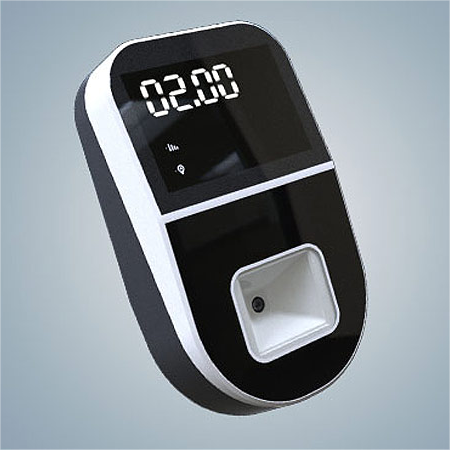
Modern parking ticket validators combine sensors, controllers, and network modules to read tickets, check validity, and send results to central software in seconds.
Clear signal flow ensures fast entry and exit. Data moves from ticket input to logic board, then to display, gate controller, and cloud platform.
1.1 Ticket input and sensing module
The input module detects a ticket or card, reads its data, and passes the raw signal to the validator’s processor for decoding and verification.
- Optical readers for barcodes and QR codes
- Magnetic heads for stripe tickets
- NFC and RFID antennas for contactless cards
1.2 Processing unit and firmware logic
The CPU runs firmware that checks format, time, and tariff rules. It also logs each event for audits and performance tracking.
- Validates ticket structure and checksum
- Applies rate rules based on time and zone
- Triggers success or error states
1.3 User interface and feedback
The interface uses screens, LEDs, and buzzers so drivers understand if the ticket is accepted, rejected, or needs further action.
| Element | Purpose |
|---|---|
| Screen | Shows price, time, and next steps |
| LEDs | Quick pass/fail feedback |
| Buzzer | Warns of errors or timeouts |
1.4 Communication and gate control
After validation, the unit sends a secure signal to the barrier or payment system, while logging data to the parking management platform.
- Relay outputs for barrier arms
- Ethernet, 4G, or Wi‑Fi links
- Encrypted messages to backend systems
2. ⚙️ How Golong validators process barcodes, QR codes, and magnetic strips
Golong validators read many media types with one device. They decode, verify, and rate tickets quickly to keep vehicle queues short.
Optical and magnetic readers capture data, while software checks each code against live rules, databases, and parking sessions in real time.
2.1 Optical decoding of barcodes and QR codes
High-speed cameras capture code images, then algorithms turn them into ticket IDs and timestamps, even in low light or poor print quality.
| Code Type | Typical Use |
|---|---|
| 1D barcode | Short ticket IDs |
| QR code | Rich data, promo info, plate |
2.2 Magnetic stripe reading workflow
As the ticket passes through, the magnetic head senses flux changes, converts them into bits, and sends track data to the main processor.
- Reads multiple tracks when needed
- Checks parity and error codes
- Matches ID with stored parking record
2.3 Validation rules and pricing engine
The logic engine combines entry time, location, and discounts to compute fees. It then updates usage records in the central database.
- Applies free periods and coupons
- Supports dynamic pricing by demand
- Flags expired or reused tickets
2.4 Data analysis and performance metrics
Golong solutions use analytics to optimize throughput and reduce fraud. Managers can see media usage and error trends in real time.
3. 🔒 Security, anti-counterfeiting, and data protection in modern validation workflows
Modern systems must block fake tickets and protect personal data while still offering quick, smooth user experiences for drivers and operators.
Golong validators combine secure hardware, strong encryption, and smart software checks to detect fraud and comply with privacy rules.
3.1 Anti-counterfeit ticket design
Tickets can include complex QR patterns, encrypted payloads, and unique IDs so copying or guessing valid codes becomes very hard.
- Encrypted QR content
- One-time ticket IDs
- Short expiry windows
3.2 Encrypted communication and storage
Validators use TLS for data in transit and secure storage for logs. Role-based access controls keep sensitive records safe.
| Layer | Protection |
|---|---|
| Network | TLS encryption |
| Device | Signed firmware |
| Database | Access control and audits |
3.3 Compliance and privacy controls
Systems minimize stored personal data and follow local laws. Logs keep needed details for disputes without exposing identities.
- Data retention limits
- Anonymized analytics
- Configurable privacy policies
4. 🔌 Integration of Golong validators with parking management software and payment terminals
Golong validators link with central software, gates, and payment devices to create a single, automated flow from entry to payment.
They support open APIs and standard protocols so operators can scale from small lots to large smart city parking networks.
4.1 Connection to parking management platforms
Validators push live entry, exit, and payment events into the host system so occupancy, revenue, and alarms stay fully up to date.
- RESTful APIs and webhooks
- Centralized tariff management
- Integration with ANPR cameras
4.2 Payment terminals and self-service devices
Drivers can pay with cash, card, or digital wallets via integrated kiosks and terminals, then use the validated ticket at the exit.
| Device | Main Role |
|---|---|
| Self-service Kiosk | Full self-pay flows |
| Smart Parking Meter | On-street and off-street payment |
4.3 Advanced multi-modal payment and ID
For fleets or public transport hubs, validators can pair with the Purple bus facial recognition all-in-one machine-supports QR code scanning & NFC payment to support seamless journeys.
- Face, QR, and NFC in one device
- Unified user profiles and passes
- Shared loyalty and discounts
5. 📊 Real-time monitoring, maintenance alerts, and performance optimization for validators
Live dashboards and alerts help operators keep validators online, spot bottlenecks, and reduce downtime through predictive maintenance.
By tracking errors, media usage, and transaction times, managers can fine-tune layouts, tariffs, and hardware replacement plans.
5.1 Remote status dashboards
Cloud tools show each validator’s health, from network status to reader errors, so staff act before queues form at the gate.
- Online/offline indicators
- Transaction and error counts
- Firmware version tracking
5.2 Automated maintenance alerts
The system raises alarms when jams, unusual rejects, or hardware faults appear, and can trigger service tickets automatically.
| Alert Type | Typical Action |
|---|---|
| Reader jam | Dispatch technician |
| High reject rate | Check media or optics |
| Offline device | Inspect power/network |
5.3 Performance and throughput optimization
Analytics on peak hours, media types, and dwell times guide decisions on lane counts, validator placement, and hardware upgrades.
- Adjust staffing by demand
- Refine ticket design for faster scans
- Plan capacity expansions with data
Conclusion
Modern parking ticket validators combine precise hardware, smart software, and secure communication to keep traffic moving smoothly while protecting revenue.
Golong’s integrated validators, meters, and kiosks deliver fast validation, flexible payment, and rich analytics, helping operators scale reliable, user-friendly parking services in busy urban environments.
Frequently Asked Questions about validating parking ticket
1. How does a parking ticket validator know my ticket is valid?
The validator reads your code or stripe, checks it against stored session data and rules, then approves or rejects it within the control software.
2. Can I reuse an old validated ticket?
No. Most systems mark tickets as used after exit or payment. Attempts to reuse them will fail, and the validator will show an error message.
3. Why does the validator sometimes reject my ticket?
Tickets can fail due to damage, expired time, unpaid fees, or unreadable codes. Try smoothing the ticket or ask staff for assistance.
4. Are my personal details safe when I validate a ticket?
Modern systems store minimal personal data, use encryption, and follow privacy rules. Operators keep logs secure and limit who can access them.
5. Do validators work if the network is down?
Many validators support offline modes with cached rules and logs. They sync data back to the server once network service is restored.