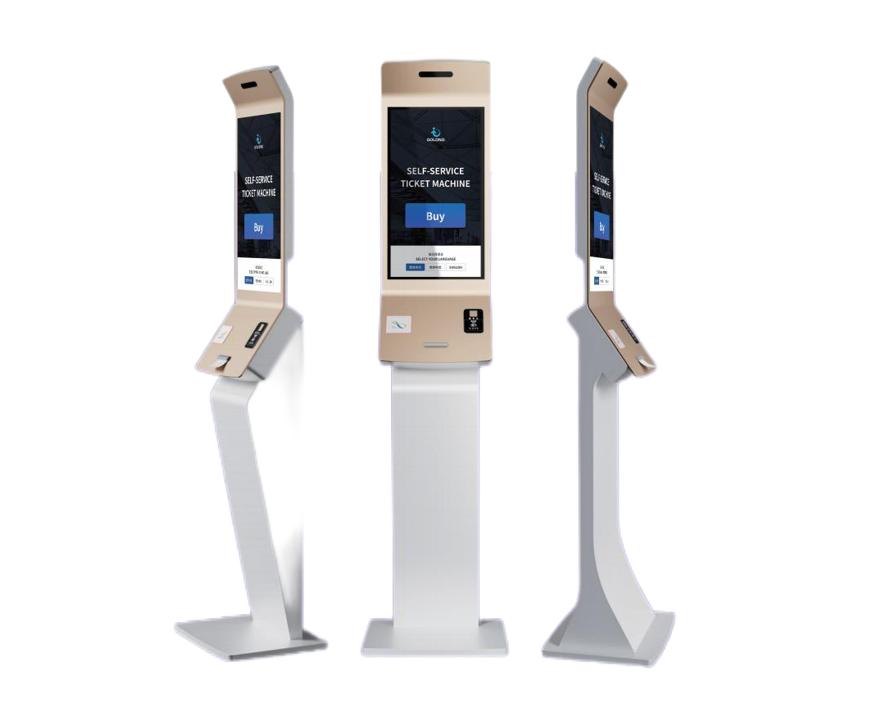
Evolution of Contactless Payment Technology
Contactless payment technology has transformed the retail landscape, providing enhanced convenience and speed for both consumers and businesses. As the demand for quick and efficient transactions continues to rise, wholesale, manufacturers, and factories have increasingly adopted contactless systems. From its inception using Radio Frequency Identification (RFID) to current Near Field Communication (NFC) technologies, contactless systems have been crucial in minimizing physical contact, especially during periods of heightened health concerns.
The Rise of Contactless Payments
Data from recent years indicates a significant increase in contactless payment adoption. By 2021, over 53% of global transactions were conducted via contactless methods, a substantial jump from 37% in 2019. This shift has been driven primarily by consumer preference for safer and faster transactions, bolstered by wholesale and manufacturer support.
Technological Enhancements Over Time
Technological advancements like Dynamic Data Authentication (DDA) and tokenization have further secured contactless payments. These innovations have been instrumental in reassuring consumers and businesses alike about the system's integrity.
Security Features of contactless pos terminals
Contactless POS terminals are equipped with state-of-the-art security measures to protect user data and prevent fraud. These systems are designed to address the increasing concerns associated with data breaches and unauthorized access.
Encryption and Tokenization
Each contactless transaction generates a unique encrypted token, ensuring the protection of sensitive data. This encrypted data is useless to hackers, adding a robust layer of security. Factories and manufacturers have adopted these technologies to enhance payment security across their networks.
Dynamic Data Authentication (DDA)
DDA creates a unique transaction code for each payment, preventing unauthorized use even if data interception occurs. This technology is a critical component in the security framework of contactless payments.
Risks and Vulnerabilities in Contactless Payments
Despite their advantages, contactless payment systems are not immune to vulnerabilities. Recent studies have shown that contactless card fraud complaints increased significantly between 2018 and 2021, driven by misuse of cards without necessary security protocols.
Potential for Misuse
The ease of contactless payments, which often do not require PIN verification for transactions under specific limits, has been exploited by criminals using lost or stolen cards. In some cases, cardholders are unaware of the misuse until they review their account statements.
Skimming and Data Interception
Fraudsters can use illicit devices in crowded areas to skim data from unsuspecting individuals. Although the information obtained is often limited, it can still be used for other malicious activities, highlighting the need for ongoing security improvements.
Comparing Contactless with EMV Chip Cards
Both contactless and EMV chip cards offer heightened security compared to traditional magnetic strip cards. However, there are distinct differences in their security measures and overall user experience.
Security Trade-offs
EMV chip cards require physical contact with the terminal and often need PIN entry, making them slightly more secure in terms of user verification. In contrast, contactless cards offer speed and convenience, which comes with a small trade-off in security due to the absence of mandatory user verification for smaller transactions.
Consumer Preferences and Business Implications
Research indicates a growing consumer preference for contactless payments due to their speed and ease of use. Consequently, businesses, including wholesalers and manufacturers, are adapting their systems to accommodate these preferences while maintaining robust security standards.
Addressing Misconceptions About Contactless Security
Misconceptions about contactless payments often deter potential users from adopting this technology. It is crucial to address these concerns to promote its widespread acceptance and usage.
Electronic Pickpocketing Myths
Many fear that criminals can easily access contactless payment information, but the risk is negligible compared to physical card theft. Stringent regulations and sophisticated encryption methods ensure minimal risk from electronic pickpocketing.
Liability for Fraudulent Transactions
Financial institutions have policies in place to reimburse cardholders for unauthorized transactions, further reducing the risk associated with contactless payments. Most transactions above a certain amount require PIN entry, adding another layer of protection.
Role of Financial Institutions in Ensuring Security
Financial institutions play a crucial role in maintaining the security of contactless payment systems. They invest heavily in advanced technologies and fraud prevention mechanisms to safeguard user data.
Continuous Monitoring and Updates
Financial bodies continually monitor transaction patterns to detect anomalies and prevent fraud. Regular updates to security protocols ensure that vulnerabilities are addressed promptly, keeping the payment ecosystem secure.
Consumer Education and Support
Banks and financial institutions are pivotal in educating consumers about best practices for using contactless payments. This includes guidance on monitoring account activity and promptly reporting any suspicious transactions.
Mobile Wallets as a Secure Alternative
Mobile wallets have emerged as a secure alternative for contactless payments, utilizing advanced security measures such as biometrics and tokenization.
Enhanced Security Features
Features like fingerprint recognition and facial ID provide an additional layer of security, making mobile wallets a preferred choice for many users. These wallets also use tokenization, where the card details are replaced with a unique identifier.
Limitations and Considerations
While mobile wallets offer increased security, they rely on mobile device functionality and acceptance by retailers, highlighting the importance of having physical cards as a backup.
Consumer Best Practices for Safe Usage
Consumers can take several steps to enhance the security of their contactless transactions. These measures help mitigate risks and ensure safe usage of contactless payments.
Regular Account Monitoring
Regularly checking account statements and transaction alerts can help detect unauthorized activities early, allowing for prompt reporting and mitigation of potential losses.
Responsible Card Management
Protecting physical cards and minimizing their exposure in public spaces can significantly reduce the risk of theft. Utilizing cardholders or RFID-blocking wallets adds an extra layer of security.
Future Advancements in Contactless Payment Security
The future of contactless payments promises even greater security as technology continues to evolve. Researchers and developers are exploring new methods to enhance security features for consumers and businesses.
Emerging Technologies
Advancements such as biometric verification, enhanced encryption algorithms, and improved machine learning techniques will play a significant role in the next generation of contactless payments.
Regulatory Developments
Global regulatory bodies are continually developing and updating standards to ensure the safety and security of contactless payment systems, providing a framework for ongoing enhancements.
Balancing Convenience and Security in Contactless Payments
While contactless payment systems offer unparalleled convenience, it is crucial to maintain a balance with security measures. Wholesale, manufacturers, and factories must continually assess and enhance their payment systems to ensure both efficiency and safety.
Consumer Trust and Adoption
Building consumer trust is essential for the widespread adoption of contactless payments. By implementing robust security protocols, businesses can provide users with the confidence to embrace these technologies fully.
Continuous Innovation and Improvement
As contactless payment systems evolve, continued innovation and improvement in security measures are vital to addressing emerging threats and ensuring the safety of global transactions.
Golong Provide Solutions
Golong offers comprehensive solutions for enhancing the security and efficiency of contactless payment systems. Our state-of-the-art technology ensures secure transactions for businesses of all sizes, from wholesalers to manufacturers and factories. Golong’s advanced encryption, tokenization, and biometric features provide an unparalleled level of security, addressing modern security challenges effectively. Partner with Golong to enhance your payment system’s security and trust, ensuring seamless and safe transactions for your business and customers.