

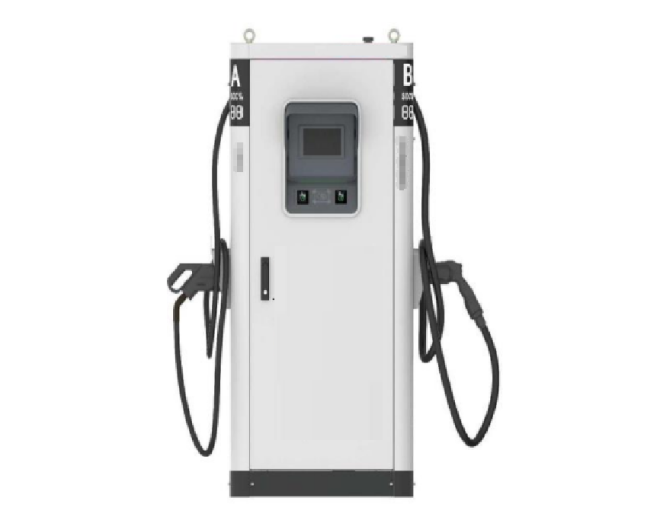
Introduction to ev charging piles
Electric vehicle (EV) charging piles are pivotal components of the growing EV infrastructure. These installations provide the necessary interface for powering electric vehicles, facilitating their widespread adoption. As the automotive industry transitions from traditional internal combustion engines to electrified mobility, the role of charging piles becomes increasingly significant.
Types of EV Charging Piles
There are various types of EV charging piles based on charging speed and utility. Level 1 chargers offer basic residential charging at around 2-5 miles of range per hour of charging. Level 2 chargers, prevalent in commercial spaces and homes, deliver around 10-60 miles of range per hour. Fast chargers, or Level 3 chargers, utilize direct current (DC) and can recharge batteries to 80% capacity in about 30 minutes. These variations cater to different user needs and logistical scenarios.
Environmental Benefits of EV Charging Piles
One of the primary advantages of EV charging piles is their potential to reduce carbon emissions by facilitating the use of electric vehicles over traditional fossil fuel-powered cars.
Reduction in Greenhouse Gas Emissions
According to a study by the International Energy Agency, transitioning to EVs can reduce greenhouse gas emissions by up to 40% per vehicle annually. This reduction is contingent on the energy source powering the charging piles, with renewable energy offering more substantial benefits.
Promotion of Sustainable Energy
Charging piles integrated with renewable energy sources, such as solar or wind, encourage sustainability. This integration not only minimizes environmental impact but also promotes energy independence. Suppliers and manufacturers of charging stations are increasingly incorporating renewable solutions to enhance environmental benefits.
Challenges in EV Charging Infrastructure
Despite their benefits, EV charging piles face several challenges that need addressing to maximize their environmental friendliness.
Infrastructure and Installation Costs
The initial setup cost for charging infrastructure can be substantial. Wholesale pricing from suppliers helps mitigate these expenses, but comprehensive infrastructure still demands significant investment. Public funding and incentives are necessary to offset these costs for widespread implementation.
Urban vs. Rural Deployment
Urban areas benefit from denser infrastructure, which supports more frequent charging and shorter travel distances. In contrast, rural areas face challenges due to dispersed populations and limited existing infrastructure. Addressing these disparities is crucial for equitable environmental benefits.
Comparison with Traditional Fueling Stations
Comparing EV charging piles with traditional gasoline stations highlights several environmental advantages of the former.
Efficiency and Clean Energy Use
While gasoline stations rely on fossil fuels, charging piles can use clean, renewable energy. This shift not only reduces pollution but also enhances energy efficiency, as electric drivetrains are typically more efficient than internal combustion engines.
Space and Resource Utilization
EV charging stations often require less space than traditional gasoline stations, allowing for more flexible deployment in urban areas. Moreover, the lack of combustible fuel reduces environmental risks related to spills and soil contamination.
Electricity Sources for EV Charging
The environmental impact of EV charging is heavily influenced by the electricity sources used.
Renewable vs. Non-Renewable Energy
Electricity from renewable sources, such as hydroelectric, solar, and wind, significantly lowers the carbon footprint of EV charging. Conversely, relying on coal or natural gas can diminish potential environmental gains. Diversifying energy sources is key to optimizing the environmental benefits of EVs.
Grid Capacity and Energy Storage
The expansion of EVs and charging piles imposes additional demand on the electrical grid. Suppliers and manufacturers are urged to innovate in energy storage and grid management to ensure stable and sustainable energy delivery. Energy storage solutions can mitigate demand spikes and improve grid resilience.
Material and Manufacturing Considerations
The environmental footprint of charging piles is also influenced by the materials and manufacturing processes involved.
Sustainable Materials and Design
Using recycled materials and designing for longevity can reduce the environmental impact of EV charging piles. Suppliers are increasingly investing in research to improve material sustainability and reduce waste.
Manufacturing Emissions
Manufacturing processes for charging piles can generate significant emissions. Transitioning to cleaner manufacturing technologies and improving supply chain efficiencies can mitigate these emissions. Wholesale adoption of such technologies by manufacturers is essential for more sustainable production.
Technological Advancements in Charging Piles
Technological innovations play a crucial role in enhancing the environmental performance of EV charging piles.
Smart Charging Solutions
- Intelligent load management optimizes energy use, reducing waste.
- Automated demand response systems align charging with renewable energy peaks.
Vehicle-to-Grid (V2G) Technology
V2G technology allows EVs to return electricity to the grid, contributing to energy balance and sustainability. This bidirectional flow can support grid stability and maximize renewable energy utilization.
Recycling and Disposal of Charging Piles
Proper end-of-life management for charging piles is essential to minimize environmental impacts.
Recycling Components
Recycling metal and electronic components can prevent environmental harm and recover valuable materials. Suppliers must prioritize recycling programs to ensure sustainable disposal practices.
E-Waste Management
Given the electronic nature of charging piles, e-waste management is crucial. Regulatory frameworks should enforce responsible disposal and recycling to reduce the environmental burden.
Policy and Regulation Impact
Government policy and regulation significantly influence the environmental performance of EV charging infrastructure.
Incentives and Support
Incentives such as tax rebates and grants for charging station installation can accelerate infrastructure growth. Policies encouraging renewable energy integration further enhance environmental benefits.
Regulatory Standards
Establishing stringent environmental standards for charging pile production and operation ensures compliance and promotes sustainability across the industry. This requires collaboration between manufacturers, suppliers, and regulatory bodies.
Future Outlook of EV Charging Piles
The future of EV charging infrastructure holds promise for further environmental benefits as technology and policy evolve.
Growth and Expansion
Continued investment in infrastructure is expected to improve accessibility and convenience for EV users, further reducing reliance on fossil fuels. Forecasts suggest a significant expansion in the number of charging stations worldwide, driven by government initiatives and private sector investment.
Innovation and Collaboration
Advancements in battery technology, renewable energy integration, and smart grid solutions will continue to enhance the sustainability of charging piles. Collaboration among stakeholders, including wholesalers, manufacturers, and suppliers, is vital for ongoing innovation and success.
Golong Provide Solutions
Golong is committed to addressing the environmental issues related to EV charging piles through innovative solutions. By focusing on sustainable materials, energy-efficient technologies, and comprehensive recycling programs, Golong aims to minimize the environmental impact of charging infrastructure. We work closely with manufacturers and suppliers to ensure that our products contribute positively to the ecosystem. Our goal is to provide efficient and eco-friendly charging options that support the global transition to clean energy.
