

The Impact and Significance of Smart Bus Electronic Signage on Smart Cities
With the gradual implementation of smart public transportation construction in major cities across the country, the goal of changing citizens' travel experience and alleviating travel difficulties is gradually being achieved. The smart public transportation system includes new hardware facilities such as buses equipped with GPS devices, as well as software systems such as arrival announcements. At the same time, the replacement of traditional bus stop signs is also becoming a trend, with a large number of smart electronic bus stop signs being purchased, installed, and serving the general public.
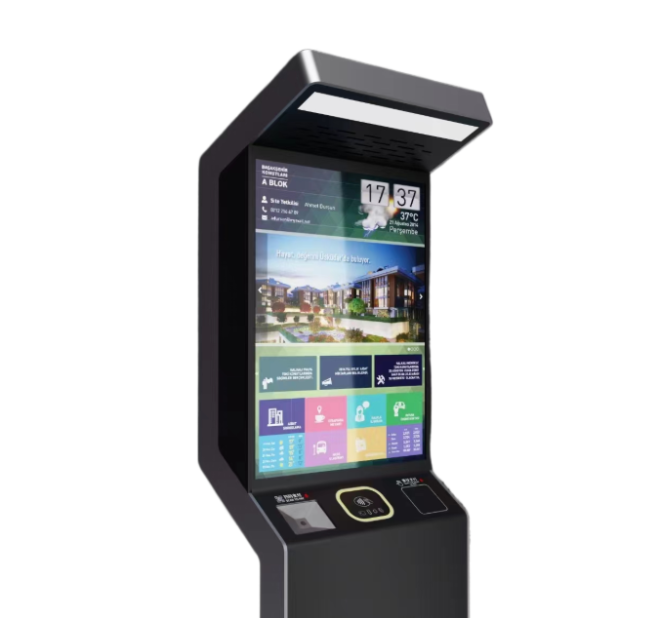
Unlike traditional bus stop signs, electronic bus stop signages are equipped with one or more high-definition LCD screens and embedded with intelligent chips, making them not only capable of displaying information but also possessing intelligent attributes, truly realizing the intelligent display of electronic signage.
However, electronic bus stop signages are definitely more than just display screens. They can integrate various functions, such as internal air conditioning systems, core chips, surveillance systems, and various sensors, making them comprehensive intelligent systems. In the future, electronic bus stop signs will have significant implications for the construction and development of the entire city.
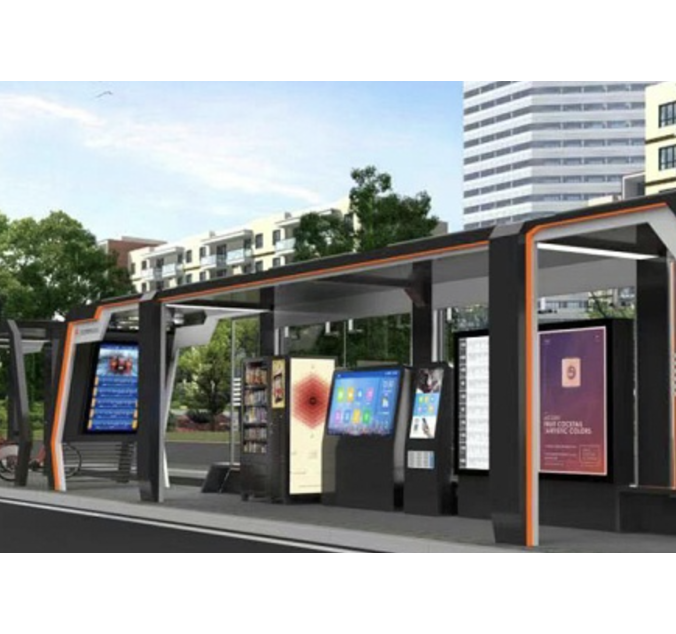
Firstly, electronic bus stop signages have the function of displaying stop information. This is obvious since the main purpose of electronic bus stop signages is to be used as bus stop signs. However, unlike traditional bus stop signs, electronic bus stop signages are revolutionary in terms of material, functionality, and display effects. Their emergence breaks the notion that bus stop signs are merely identification carriers and instead fills them with functionality and intelligence. By connecting to the Internet via underground fiber optics, various types of information can be transmitted to the bus stop signs, allowing citizens to see weather information, vehicle information, upcoming arrival information, as well as enjoyable programs such as video advertisements and short videos while waiting for buses. When vehicles are about to arrive, there will also be voice announcements to remind passengers to pay attention to vehicle information, and there are even USB ports for citizens to conveniently charge their phones or mobile devices. This makes waiting for the bus no longer monotonous but rather enjoyable.
However, electronic bus stop signages are not just stop signs because they also have various other uses. This diversification of uses is also a manifestation of their role as carriers of electronic bus stop signage system.
Each electronic bus stop signage is equipped with a camera that can record or monitor station information in real time. We call this function the electronic platform monitoring system. Electronic platform monitoring systems generally use professional cameras with starlight-level capabilities, which can display high-definition full-color videos in low-light conditions at night, and they are of significant importance for collecting information on platform passenger situations, collecting road traffic information, public security monitoring, and reporting damage to road stations. Particularly in terms of information collection at the platform, it is not only an important reference for rational adjustments to public transportation planning but also an important data collection direction for solving travel difficulties, as it can collect passenger and vehicle flow information at various stations during peak hours, thus providing assistance for more accurate allocation of public transportation resources.

In terms of equipment, electronic bus stop signages also have alarm buttons. When the button is pressed, the monitoring backend immediately receives video and audio information from the platform camera, and then stores and makes warning judgments, prompting relevant personnel to arrive at the scene for processing as quickly as possible. In addition, electronic bus stop signages are also equipped with card-tapping supplement systems, allowing passengers to supplement and query the specific balance in their cards at any time, providing citizens with a convenient travel experience.