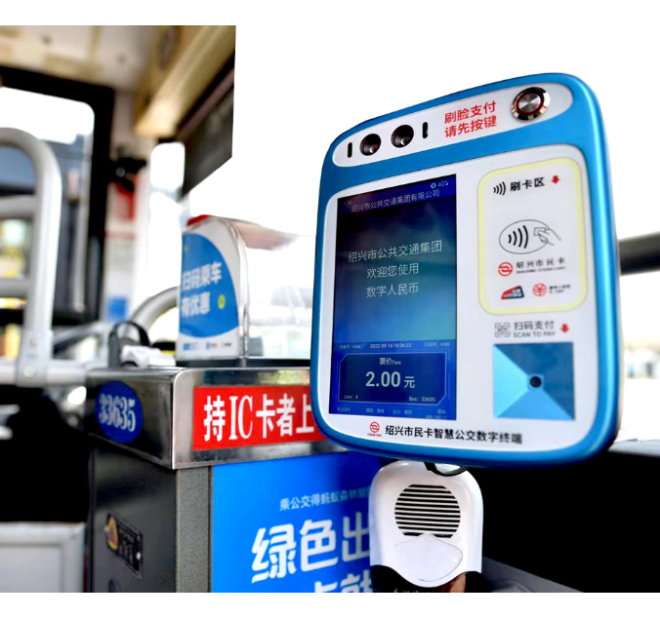
Bus validators are changing the way we ride. With a simple scan of a QR code, boarding becomes swift and effortless. This tech speeds up the process by cutting down on wait times at the front of the bus, making trips smoother for everyone involved.
A quick tutorial shows just how easy it's to use these devices—activate your digital ticket and scan away! Moreover, in our world today, hygiene matters more than ever. By reducing close contact and lessening cash or ticket exchanges that many hands may touch, bus validators promote better health protocols too.

Understanding Bus Validators
Bus validators play a key role in public transport systems. They check and confirm passengers' fare payments as they board buses, ensuring everyone pays their due share for the ride. Modern bus validators are equipped with technology that reads various forms of digital payment, like smart cards or mobile passes, quickly processing transactions to keep lines moving swiftly.
This method reduces delays caused by cash transactions or ticket inspections, leading to more punctual services. Furthermore, these devices gather critical data on passenger numbers and travel patterns. Transport authorities use this information to optimize routes and schedules based on actual demand rather than estimations or outdated surveys.
By leveraging advanced technologies in fare collection through bus validators., cities can provide smoother rides for all while maintaining efficient operations without sacrificing security measures against fare evasion.
Efficient Fare Collection Solutions
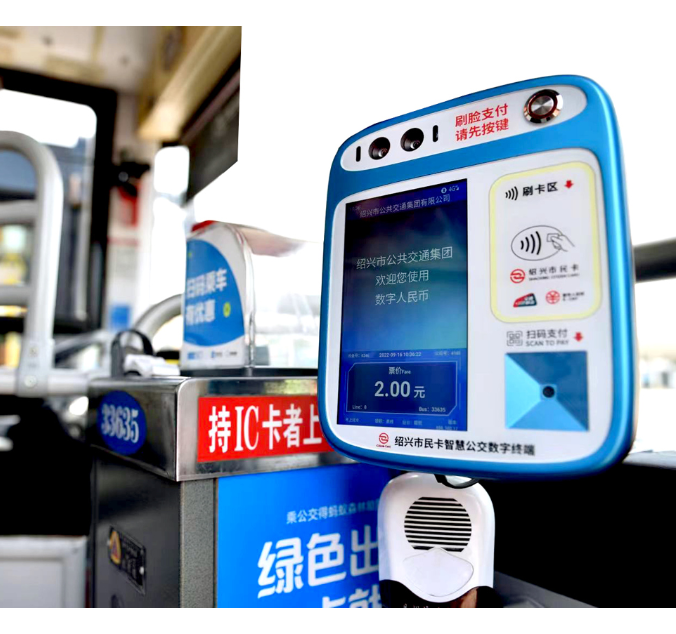
Bus validators offer a smart solution for collecting fares. They work by quickly scanning tickets or digital passes, making the boarding process faster and more efficient. This system cuts down on the time buses spend at stops, which can lead to smoother rides and less traffic overall.
For transit companies, this means better use of resources and potentially higher profits as more people find bus travel convenient. Moreover, these systems provide accurate data on passenger numbers and travel patterns. With such insights, routes can be optimized based on real demand rather than guesswork — ensuring that services meet user needs while remaining cost-effective.
Enhanced Passenger Experience
Enhanced passenger experience through bus validators makes trips faster and simpler. Riders use a tap-and-go action with their own credit, debit cards or smartphones for payment. This method cuts down time spent paying fares compared to cash methods; it's quicker by seconds per transaction.
It also helps people unfamiliar with local systems, like visitors, pay easily without needing special tickets or coins. Plus, this system is kinder to those who prefer not handling cash due to health concerns—offering a touch-free option reduces germ spread risk. For employees driving the buses, less cash handling means focusing better on safe driving rather than fare collection tasks which improves job satisfaction and safety during late hours or in remote areas.
Streamlining Revenue Management
Streamlining revenue management in the context of bus validators boosts accuracy and speed. These systems track payments in real-time, making cash flow more visible to operators. With digital tracking, errors decrease significantly compared to manual counting methods.
It's a shift that cuts down on lost income due to mistakes or fraud. Moreover, the data gathered helps companies understand peak times and adjust services accordingly. This adaptability can lead to better resource allocation - for example, adding more buses during busy hours without blindly expanding services across all times.
Companies see an upturn in profits not just from better fare collection but also through operational adjustments informed by accurate data usage patterns collected by these validators.
Reducing Fraud and Leakage
Bus validators cut down on fraud and money loss in big ways. They check each fare for its right amount, making sure people pay what they should. This step stops people from paying less or not at all when they ride the bus.
Reports show that before using these devices, some transit systems lost up to 5% of their income due to unpaid fares. With validators in place, this number drops significantly. Validators also track payment trends over time.
This data helps companies find out where most fare dodging happens and then take steps to stop it there first. This setup does more than just save money; it makes sure funds are there for maintenance and service improvements—key factors that keep riders happy and coming back.
Advantages of Contactless Payments
Contactless payments in public transport offer significant advantages. They simplify fare collection by allowing riders to use their existing contactless cards, digital wallets, or devices for boarding buses and trains effortlessly. This system eliminates the need for additional tickets or top-up processes, making travel easier and more appealing to both regular commuters and occasional users alike.
It also supports automatic application of discounts based on travel frequency, benefiting pay-as-you-go passengers with cost savings similar to those offered by traditional passes but without upfront expenses. Moreover, this method addresses common frustrations related to cash payments and complex fares while potentially increasing service usage by 27%, as identified in a study by Visa and Stanford University.
Improved Operational Efficiency
Using bus validators cuts down the time it takes for passengers to board. This leads to a faster, more on-time service. Buses can stick closer to their schedules, making public transport more reliable.
With fewer delays, there's less need for extra buses on popular routes during peak times. This efficiency reduces operational costs significantly over months and years. Companies see savings as they spend less money on fuel and maintenance due to shorter idling times at stops.
Moreover, this improvement in operation allows transit agencies to reallocate resources better—either enhancing other services or investing in further technology upgrades that continue the cycle of increased efficiency and customer satisfaction.
Seamless Data Integration Possibilities
In the realm of bus fare collection, seamless data integration marks a leap forward. With this technology, transit systems can now merge passenger information and payment details in real-time. This move allows for faster processing times at validators, cutting down on boarding delays significantly.
It not only boosts system efficiency but also enhances service reliability across routes. Additionally, operators gain from detailed analytics that help identify trends and optimize operations further. Such capabilities ensure more accurate forecasting and resource allocation—key components in managing peak travel periods effectively while maintaining high levels of customer satisfaction within public transport networks.
Eco-Friendly Ticketing Options
Eco-friendly ticketing through bus validators significantly boosts sustainable travel. With geolocation, passengers find the best journeys and cut down on wait times. This efficiency lessens fuel use and cuts emissions.
By offering data on varied transport mixes, these systems push for lesser car use, aiding in reducing pollution. They guide users to greener options like biking or walking, further dropping carbon output. Real-time info lets transit bodies optimize routes based on actual demand thus enhancing service without extra trips that harm the environment more than needed.
Such smart solutions merge convenience with care for our planet by making public transport a preferred choice.
Validator Technology Updates
Bus validators have evolved significantly since their initial testing phases. Early attempts to streamline fare collection involved simple Check-In and Check-Out (CICO) systems, requiring user action at both boarding and departure points. By 2005, the ALLFA project marked a notable advancement with its first large-scale test of Be-In/Be-Out (BIBO) technology in Dresden, utilizing electronic devices for automatic passenger detection.
In recent years, experiments shifted towards incorporating multiple technologies to overcome previous limitations. Bluetooth Low Energy (BLE) became a focal point for public transport BIBO systems. Various tests from 2014 to 2017 across Europe demonstrated its potential, ranging from BLE beacon-based smartphone apps for ticket validation at events to mobile ticketing solutions that combine BLE with NFC.
Technological strides show public favor toward convenient BIBO setups, as feedback from over 2500 testers indicates. However, challenges persist, leading some projects to revisit planning stages after unsuccessful pilot runs. Wi-Fi, Bluetooth, and mobile data now enable real-time transfer of vital operational data.
Passengers can choose how to interact, either through CICO mechanisms or BIBO configurations, which may include auto-payment based on their device capabilities.

Future-Proof Your Transit System
To future-proof a transit system means to ready it for tomorrow's demands. Bus validators play a big role here. They ensure fare collection keeps up with fast-paced changes, making every ride smooth and quick for passengers.
This tech also helps in gathering data on travel patterns which is key to planning better routes and schedules, adapting as cities grow and change. It cuts down wait times at stops and boosts trust among users by keeping transactions transparent. With this setup, systems can easily update without major overhauls - an essential step to stay ahead in the transportation game while keeping costs manageable.
Using bus validators for fare collection makes travel easy and fast. It cuts down on wait times, allowing buses to stick to schedules better. This method is also great for keeping track of payments and rides in real-time, making sure everything runs smoothly.
For both riders and transit teams, this system offers a clear win-win situation by boosting efficiency without sacrificing service quality. Thus, embracing technology like Golong pay's solutions in public transport not only enhances the rider experience but also streamlines operations significantly.