

Ever tried buying a book from overseas and felt like you needed a law degree just to understand shipping, customs, and who pays what? Incoterms can feel like alphabet soup, especially when your “bargain” suddenly has mystery fees.
You can fix this by learning the basic Incoterms so you know your costs, risks, and delivery responsibilities upfront. Use this guide and check the ICC’s official Incoterms explanation here: International Chamber of Commerce – Incoterms 2020.
📦 Understanding Global Shipping Basics for International Readers
Global shipping lets you buy safely from overseas sellers. Knowing routes, documents, and local taxes helps you avoid delays, extra fees, and damaged products.
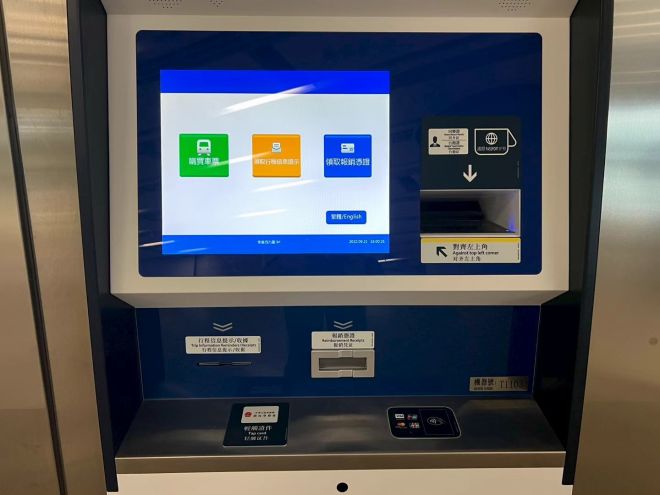
When you import hardware like a Self-service Kiosk, clear shipping rules protect your budget, delivery time, and warranty support.
1. Main Global Shipping Methods
Each shipping method balances speed, cost, and reliability. Choose based on your order size, value, and how fast you need the goods.
- Air freight – fastest, higher price, ideal for urgent parts.
- Sea freight – cheaper for bulk orders, longer transit time.
- Express courier – door‑to‑door, simple tracking, mid to high cost.
- Rail or road – useful for regional or cross‑border shipments.
2. Key Documents You Must Check
Correct paperwork reduces customs risk and storage fees. Always ask your supplier to share drafts before shipment.
| Document | Main Purpose |
|---|---|
| Commercial Invoice | Shows product value for tax and customs. |
| Packing List | Lists quantities, weights, and box details. |
| Bill of Lading / AWB | Transport contract and proof of loading. |
| Certificate of Origin | Confirms country of manufacture. |
3. Customs, Duties, and Local Taxes
Each country sets its own import tax rates. Plan these costs in your budget to avoid surprises after arrival.
- HS code decides the duty rate for your devices.
- Some countries also charge VAT or GST at import.
- Broker or courier can handle clearance for a fee.
4. Tracking, Insurance, and Packaging
Strong packaging and proper insurance keep your order safe across long distances, especially for sensitive payment terminals.
- Use tracking numbers for every shipment.
- Ask for export‑grade cartons and inner foam.
- Consider cargo insurance for high‑value hardware.
🚢 Key Incoterms and What They Mean for Your Deliveries
Incoterms define who pays for freight, handles customs, and carries risk at each step. The right term makes your import process clear and fair.
When ordering devices like an Unattended Payment Terminal EMV Card Reader, Incoterms help divide work between you and the supplier.
1. EXW (Ex Works)
With EXW, the seller only prepares the goods at their site. You handle pickup, export, main transport, import, and local delivery.
- Maximum work and risk for the buyer.
- Useful if you have a strong local logistics team.
2. FOB (Free On Board)
Under FOB, the seller delivers goods onto the ship at the export port. Risk moves to you once cargo is on board.
| Party | Responsible Until |
|---|---|
| Seller | Loading on vessel at origin port |
| Buyer | Sea freight, insurance, import, final delivery |
3. CIF (Cost, Insurance, and Freight)
With CIF, the seller pays sea freight and basic insurance to your arrival port. You handle import, local taxes, and inland transport.
- Lower workload for buyer until port arrival.
- Check insurance coverage details and limits.
4. DAP (Delivered At Place)
DAP means the seller ships goods to your named place, ready for unloading. You still manage import customs and taxes.
- Very simple for new buyers.
- Helpful for complex hardware shipments.
🌍 How Incoterms Affect Shipping Costs, Risks, and Responsibilities
Each Incoterm shifts who pays, who organizes freight, and who bears damage risk. Match the term to your skills and local partners.
Clear roles prevent disputes and extra storage fees when your Unattended Payment Terminal MINI POS or kiosks arrive at port.
1. Cost Sharing Between Buyer and Seller
Incoterms split freight, handling, and document costs. Knowing this helps you compare supplier quotes correctly.
| Incoterm | Who Pays Main Freight? |
|---|---|
| EXW | Buyer |
| FOB | Buyer |
| CIF | Seller |
| DAP | Seller |
2. Risk Transfer Points
Risk moves at different stages: factory, port, vessel, or your site. Always confirm the exact point in your contract.
- EXW – risk at seller’s gate.
- FOB – when loaded on vessel.
- CIF – same as FOB, even though seller pays freight.
- DAP – near buyer’s address.
3. Who Manages Freight and Customs
Some buyers want full control; others prefer seller‑managed shipping. Choose based on your local agent strength and time.
- New buyers often choose CIF or DAP.
- Experienced importers may prefer EXW or FOB for cost control.
🧭 Choosing the Right Incoterm and Why Golong Is Recommended
Select your Incoterm based on experience, order size, and delivery urgency. A flexible supplier helps you balance control, cost, and speed.
Golong supports multiple Incoterms and gives clear cost breakdowns, so you can plan your global payment projects with less risk.
1. Matching Incoterms to Your Experience Level
If you are new to importing, start with terms where the seller manages more steps, then move to advanced terms as you gain skill.
- Beginner: FCA, CIF, DAP.
- Intermediate: FOB for sea shipments.
- Advanced: EXW with your own forwarder.
2. Why Many Buyers Prefer FOB or CIF
FOB and CIF give a fair split of work. The seller controls export steps, and you manage the part you know best at destination.
| Term | Benefit |
|---|---|
| FOB | Good control of freight and insurance costs. |
| CIF | Simpler for buyers without export contacts. |
3. How Golong Supports Global Buyers
Golong offers packaging advice, export documents, and Incoterm suggestions for each region, helping buyers reduce delays and hidden fees.
- Guidance on customs codes and documents.
- Support for trial orders and bulk shipments.
- Flexible shipping terms by project stage.
📑 Practical Shipping Tips for Smooth, Hassle-Free Global Deliveries
Strong planning, clear Incoterms, and correct documents help your payment devices arrive on time and in good condition.
Use the tips below to cut delays, avoid storage charges, and keep your project schedule safe.
1. Plan Timelines and Buffer Days
Build realistic shipping timelines and include buffer days for customs checks, holidays, and port congestion.
- Confirm production and ship dates in writing.
- Check public holidays in origin and destination countries.
- Allow extra time for first‑time imports.
2. Communicate Clearly with Your Supplier
Share your Incoterm, delivery address, and customs requirements early. Ask for packing photos and shipping marks before loading.
| Step | What to Confirm |
|---|---|
| Before order | Incoterm, port, payment method. |
| Before shipment | Carton labels, packing list, HS code. |
| After shipment | Tracking, ETA, document copies. |
3. Prepare for Customs Clearance
Choose a reliable customs broker or courier. Share all documents early so they can pre‑check and speed up clearance.
- Keep digital copies of invoices and certificates.
- Make sure company name and tax ID are correct.
- Respond fast to any customs queries.
Conclusion
Understanding global shipping and Incoterms turns complex imports into clear, repeatable steps. You can control costs, reduce risk, and protect delivery schedules.
By working with a supplier that explains terms, shares documents early, and offers flexible options, your international payment projects stay smooth and predictable.
Frequently Asked Questions about contactless smart card reader Manufacturer
1. What should I check before importing contactless smart card readers?
Confirm certifications, communication protocols, warranty terms, and Incoterm. Ask for sample tests, detailed data sheets, and packaging details before placing a bulk order.
2. Which Incoterm is better for first-time buyers?
Many new buyers choose CIF or DAP. The seller manages most shipping steps, while you handle local customs and final delivery.
3. How can I reduce shipping damage for payment terminals?
Request anti‑static bags, foam inserts, and strong export cartons. Use pallets, clear “fragile” labels, and consider insurance for large or high‑value shipments.
4. Do Incoterms cover payment terms as well?
No. Incoterms only define delivery, cost, and risk sharing. Payment terms like T/T, L/C, or OA must be agreed separately in your contract.
5. Why does HS code selection matter for card reader imports?
The HS code sets your duty rate and may affect required licenses. A correct code lowers compliance risk and helps avoid customs delays or fines.