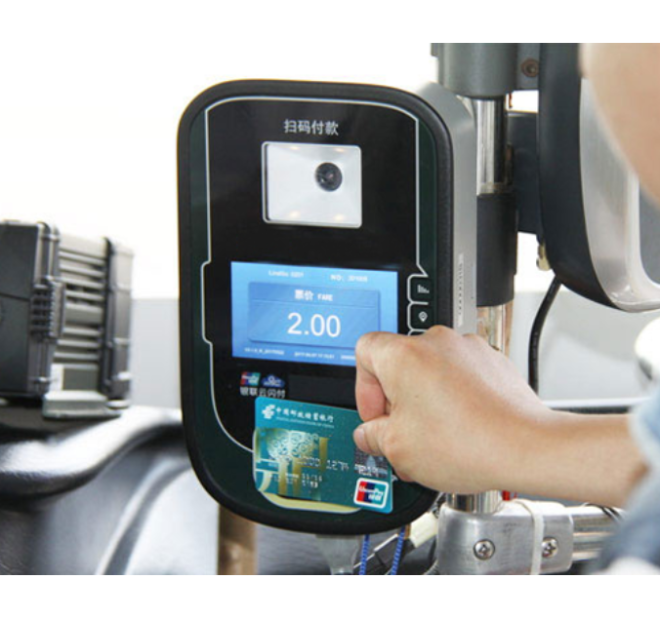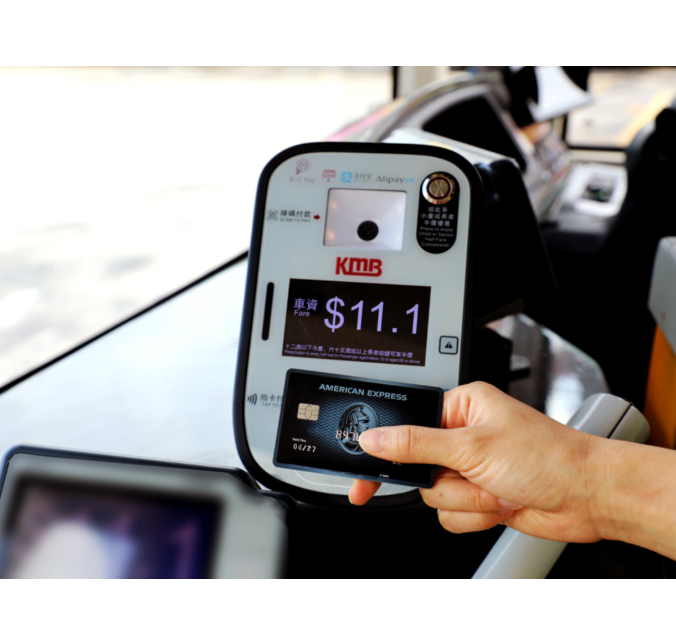
Bus operators face the challenge of fare evasion, which can severely impact their revenue. Bus ticket validators serve as an essential tool in this fight. With a validator on board, passengers must prove they've paid for their ride; failing to do so could lead to hefty fines—as high as $173—or even actions like being reported to collection agencies or losing auto insurance privileges.
Since British Columbia's recent legislation supporting stricter enforcement measures, data shows a drop in violations and suggests that heightened awareness via media and rigorous checks are prompting more riders to pay honestly.
Curbing Losses with Validation
In my years of writing, I've seen how buses lose money. People get on and don't pay; it's that simple. But here's the fix: bus validators.
Picture this little machine right by the driver—smart and quick. You step up, flash your card or phone, and boom—it knows you've paid. It logs every fare with a time stamp too—a neat record for later checks if needed.
No more guessing who paid their way or not; data doesn’t lie. They work because they're always watching. Folks think twice before skipping out on a fare.
Enhancing Compliance Onboard
In my years penning insights on transit systems, I've seen how bus ticket validators are key to ensuring passengers pay their fares. They work simply: a rider boards, scans a ticket or pass, and the system logs it instantly. This tech cuts down on folks slipping through without paying—a real problem for revenue.
Let me share with you that accurate fare collection isn't just about money; it's also about data integrity. The numbers collected can show where and when buses are busiest. But if people dodge fares, these figures won’t add up right.
So we lean heavily into reliable machines at every door of our buses—validators that promptly detect valid passes from invalid ones or fakes. This move is smart—it improves compliance dramatically by catching errors fast while giving honest riders hassle-free entry so they keep coming back happy day after day.
Validator Integration Advantages
In my two decades of experience, I've seen validators change the game for bus companies. These devices are lifesavers; they check each ticket quickly and spot fakes like a charm. Validators link up to systems that track every ride in real-time.
This means drivers focus on driving, not tickets—big win for safety there. Let's talk numbers: some reports show a 30% drop in fare-dodging with these gadgets onboard—it’s huge! Plus, they're easy to use; passengers tap or swipe without hassle at entry points—a smooth flow keeps buses punctual too.
Data from validators helps bosses make smart choices about routes and schedules based on who rides and when. It all adds up: more money comes in legally, fewer rule-breakers slide by unnoticed—the bottom line looks better already!
Monitoring Ridership Trends
Watching how many people ride the bus tells us a lot. When we look at this data, often given every hour or day, it shows patterns. Like when buses are full and when they're not.
This info helps plan better routes and times so that everyone can have a seat without waiting too long. Nowadays, technology gives us real-time numbers through ticket validators on each ride. These machines count every tap of a pass or scan of a ticket as folks get on board.
They catch those who might slip by without paying too – which sure does help keep cash flowing in. In my years with transit systems, I've noticed clear trends in the stats. Certain days bring in more revenue as events downtown pack the buses; seasons also affect ridership, with more heading to the beach in summer.
And let me tell you – having this knowledge means companies can adjust quick to keep money coming in steady.
Revenue Protection Strategies
I've been digging through data and real-world examples to shine a light on revenue protection strategies, particularly in the context of bus ticket validators. Take London's Underground system—it's fenced with tight gates but still sees a 2% fare evasion rate despite hefty investment in enforcement and infrastructure. While we look at this model for inspiration, let me be clear: introducing similar robust validators on our buses won't wipe out fare dodging entirely.
Even so, such measures could slash current levels if paired with strategic penalty fares that feed back into transit funding—not government pockets—and persistent inspections both aboard buses and trains. From experience though, I can tell you it’s not just about installing hardware; significant resource allocation toward enforcement is required—which might make financial returns less attractive than expected. Yet without these steps taken together as part of an integrated approach?
Well, then we're missing chances to secure vital revenues streams essential for maintaining high-quality public transportation services.
Ticketless Travel Deterrence
To stop folks from riding buses without paying, we set up ticket validators. These machines check if a passenger’s fare is good before they get on board. When someone tries to hop on for free, the validator alerts us right away.
This keeps everyone honest and makes sure money that should come in doesn't slip through our hands. Our system records every tap of a pass or swipe of a ticket. It's smart tech; it knows who has paid their way and who hasn’t.
We see less people trying to sneak by as word gets out: no valid ticket means you’re not getting aboard. For me, I've noticed fewer attempts at dodging fares since these devices took their place at bus doors—it's clear evidence they're doing what we put them there for.
Understanding Fare Evasion Impact
Dodging fares hurts us all, really. I've seen the damage it does—less money for crucial bus services and higher costs down the line. Now, with tech stepping up, things are changing.
Take TRAINSFARE; this smart system uses cameras to watch over ticket spots at subway stations. It's quite clever: if someone tries to sneak by without paying or sharing their fare in some sneaky way—the software knows! It alerts inspectors fast so they can step in before that person even gets on board.
I'll tell you what makes me happy about this—a focus on those who cheat the system means regular folks get hassled less often during checks. Plus, our teams work smarter now—not harder—and commuters keep moving smoothly through gates without jams. We're not just saving money—we're making rides better for everyone.
Bus Ticket Validators Explained
Bus ticket validators are vital tools in our fight against fare evasion. Let's dig right into how they work on my bus. When you hop on, there's a small machine by the door.
This gadget reads your ticket and checks if it's valid for this ride. It beeps or flashes to say "all good" or signals an issue with a different sound or light pattern which I immediately notice. Some folks think skipping fares won't hurt — that’s where they're wrong; every penny lost affects all of us riders eventually.
Now, these clever devices help keep everyone honest, nudging people who might otherwise slip through without paying their share. I've seen passengers' habits change since we put them in place: less cheating thanks to tech reminding them someone’s always watching!