

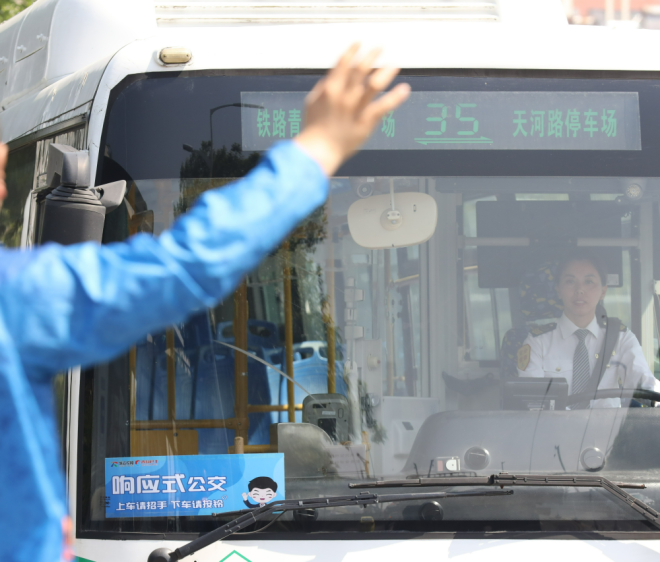
Challenges and Breakthrough Directions for Traditional Public Transport
In recent years, the public transport industry has faced multiple challenges: declining ridership due to private car ownership, competition from ride-hailing services, and metro network expansion; rigid fixed routes and schedules failing to meet fragmented and personalized travel demands; and inefficiencies such as overcapacity during peak hours and underutilization during off-peak periods, leading to high operational costs. Amid evolving passenger needs and technological advancements, public transport operators must explore new models—Demand-Responsive Transit (DRT)—to achieve cost efficiency, service flexibility, and user value through intelligent solutions.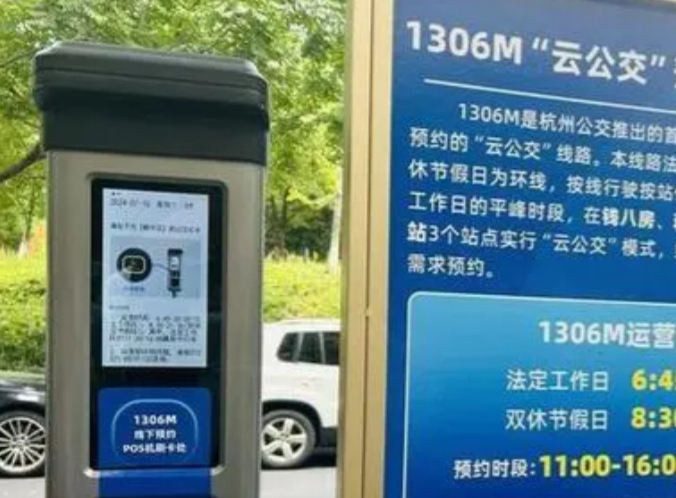
1. The Necessity of DRT: Why Must Public Transport Operators Adopt It?
- Demand-Side: Changing Travel Habits Require Precision Services
Post-pandemic, passengers increasingly prefer "low-crowding, minimal waiting" travel modes, driving demand for flexible, on-demand transit. Scenarios such as tidal commuting patterns, dispersed nighttime travel, and diverse urban-rural transfer demands call for dynamic response capabilities.
(Data: Ministry of Transport statistics show a 30% drop in daily public transport ridership in 2023 compared to 2019, while customized travel demand surged by over 50%). - Supply-Side: Traditional Models Hit Efficiency Limits, Wasting Resources
Fixed routes leave coverage gaps, while low-efficiency lines result in wasted energy and labor due to empty runs. Manual scheduling struggles to match real-time supply and demand, exacerbating peak-hour mismatches. - Policy-Side: A Strategic Choice Under Smart Transportation Initiatives
China’s *14th Five-Year Plan for Modern Integrated Transportation* mandates intelligent and customized public transport transformation. Many cities have integrated DRT into smart infrastructure pilots, supported by subsidies.
2. Core Advantages of DRT: How It Creates Value for Operators
- Smart Scheduling for Cost Efficiency
AI algorithms optimize routes and vehicle allocation in real-time, reducing empty runs by 10%-30%. Flexible deployment of mid-sized or small buses cuts off-peak waste, lowering operational costs by over 15%. - Dynamic Demand Response to Expand Markets
Coverage of commuter shuttles, campus routes, night rides, and tourism charters attracts younger users and premium segments. Features like "reserved trips" and "dynamic ride-pooling" address long-tail needs such as rural-urban transfers and corporate park mobility. - Data-Driven Decisions to Enhance User Loyalty
Travel data builds user profiles for refined route planning and marketing. Real-time feedback, loyalty programs, and membership perks boost engagement, creating a service ecosystem.

3. Implementation Roadmap: How to Roll Out DRT
Phase 1: Pilot Testing and Rapid Iteration
Launch 1-2 DRT lines in high-demand areas (e.g., tech hubs, university towns) via mini-apps/APPs. Test user acceptance and cost models with "dynamic pricing + government subsidies."
Phase 2: Technology Integration and Platform Upgrades
Adopt SaaS platforms or build in-house systems for order management, route optimization, and vehicle monitoring. Partner with map services and payment platforms to streamline user experience.
Phase 3: Scaling and Ecosystem Expansion
Replicate successful pilots citywide, forming a "trunk lines + DRT micro-cycles" network. Explore B2B partnerships (e.g., corporate shuttles, tourist transfers) for diversified revenue.
4. Success Stories: Pioneers’ Experience and Returns
Jinan’s "iBus": Surpassed 10,000 daily orders within 3 months, 92% user satisfaction, and 40% higher off-peak vehicle utilization.
Qingdao’s "Dynamic Bus": Hybrid "demand-responsive + fixed-stop" model boosted monthly revenue by 25%, winning provincial innovation awards.
Changzhou’s "Cloud Bus": Addressed needs of seniors and children, achieving all-age inclusivity and public acclaim.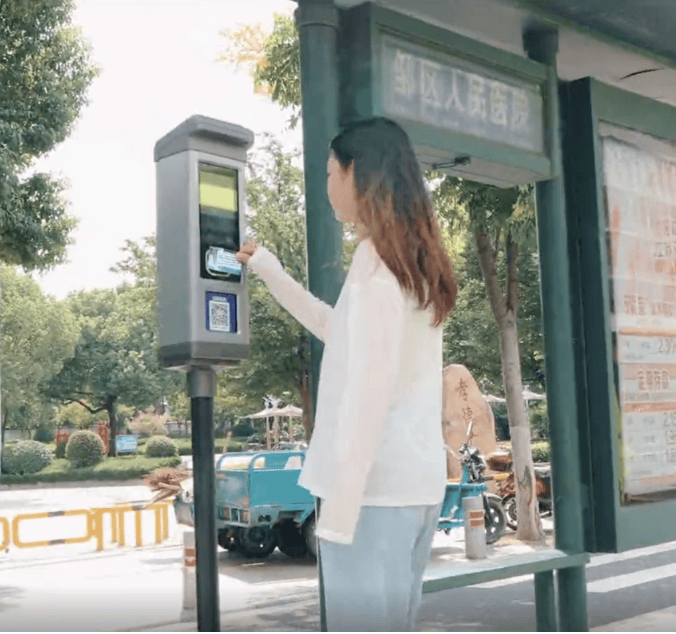
DRT: The Key to Unlocking Public Transport’s Future
In today’s rapidly evolving mobility market, DRT is not just a technological upgrade but a strategic shift from passive operation to active service, and from resource-heavy to data-driven models. It redefines public transport’s boundaries, opening sustainable growth avenues.
By leveraging policy incentives and technological advancements, operators can revitalize existing assets and reshape urban mobility competitiveness. GoLong stands ready to collaborate with industry partners, co-creating solutions to propel public transport into a smarter, more human-centered era!