

With the rapid development of higher education in China, the number of colleges and universities nationwide has reached 2,845, and the number of teachers and students has reached 35.59 million. The canteens in colleges and universities not only assume the responsibility of providing food but also are important to the spiritual civilization of colleges and universities. With the growing number of students, there are continuous improvements in consumption levels and diversified changes in the diet structure. Those canteens have reached the crossroads of making changes.
In recent years, modern and personalized canteens have gradually attracted people’s attention. Smart canteens have emerged, but the composition of the smart canteen is complex. Their settlement, operation mode, service, meal selection, dining, and other functions are different from traditional canteens. This means that there will be higher requirements for smart canteens in the future, which is undoubtedly a challenge and an opportunity for the transformation of canteens.

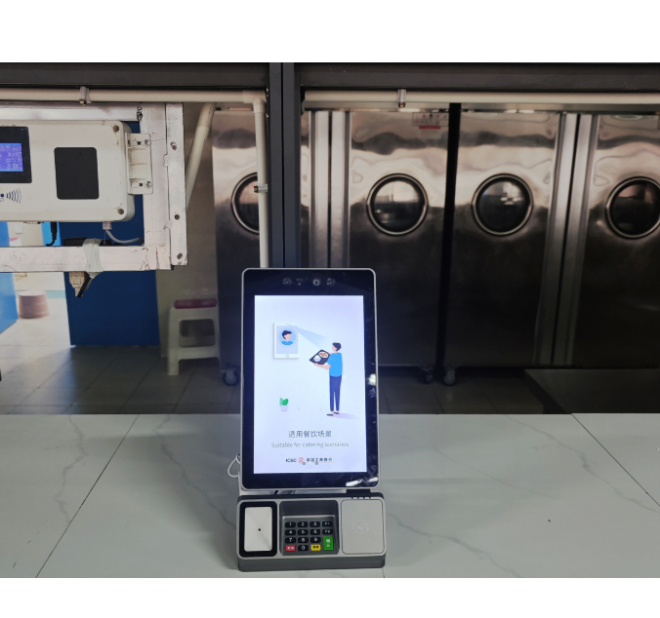
The smart canteen of Guangxi University of Science and Technology will launch the face payment function. At the moment, the equipment is in the process of being debugged. According to the managers, the canteen has realized automation from cooking rice, washing, cutting, selling, and settlement. The partial automation of cooking meals has greatly saved labor. There are two rice cookers in the canteen. Each of them can cook more than 260 kilograms of rice at a time. When the rice is ready, it can be sent via a conveyor belt to the dispensers, where students simply touch a button and the dispensers can fill the bowl with 100 grams of rice. There is a chip at the bottom of each bowl.
Vegetables at different prices are in different colors or types of bowls. Students just need to take it like Kaiten-sushi. Students can use face payment by placing trays on the checkout counter.