

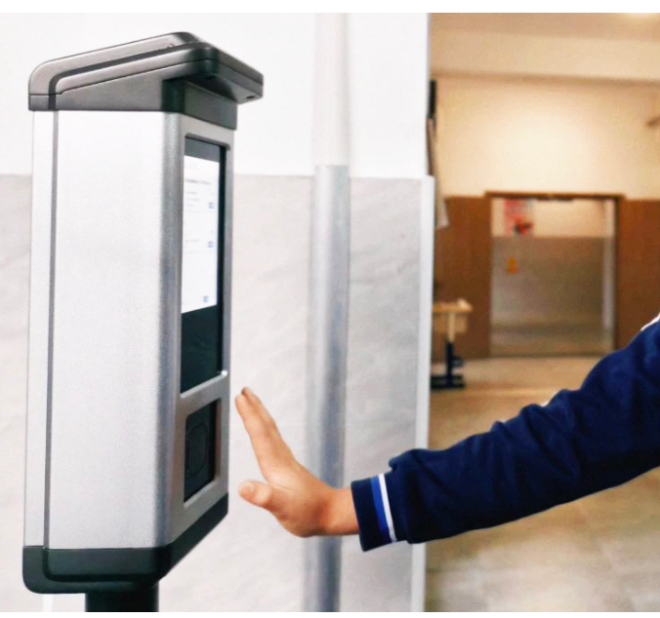
In recent years, with the rapid development of urban public transport and the rise of emerging travel modes such as ride-hailing and shared bicycles, there has been a clear trend towards a demand for personalized travel services. The quality of travel and convenient payment experiences have become a higher priority for many people. Sparse urban areas and rural regions also face issues such as high empty bus rates and resource waste. This necessitates public transport companies to accelerate their digital transformation and provide diversified, customized, high-quality services. Based on this background, Golong has launched an innovative public transport service—DRT (Demand-Responsive Transport)—tailored to the characteristics of public transport demands. The DRT solution can effectively improve vehicle utilization, reduce empty travel rates, and achieve cost reduction and efficiency improvement.
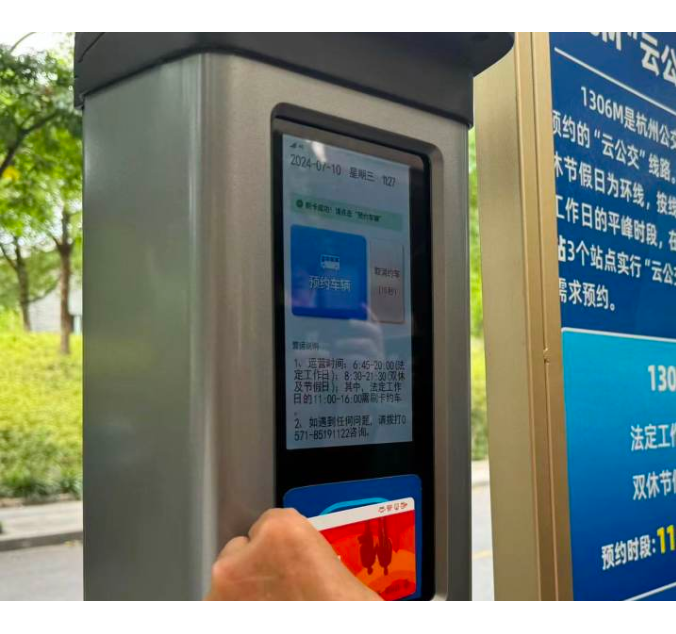
Customized Demand
In rural areas where travel demand is small and relatively dispersed, the organization of appointment-based and DRT services aims to meet the personalized and diversified service needs of a large rural population. This involves real-time sharing and precise matching of travel demand and capacity supply information, focusing on daily travel scenarios such as students going to school, people going to markets, and visiting relatives during holidays. At the same time, while meeting personalized and diversified needs, it lowers empty travel rates and increases usage rates.
The DRT solution represents a new operation mode and a “one-click appointment, fingertip access” service. Whether for elderly passengers without smartphones or young passengers, they can experience this service through card swiping. This service has drawn the attention of many citizens, tourists, and domestic and international media since its launch. It is not only an efficient application of intelligent technologies in Hangzhou’s public transport but also an innovative and leading advancement in the domestic public transport sector.
Characteristics of DRT
“DRT” (Demand Responsive Transport) : DRT flexibly adjusts transport capacity based on users' travel needs, quickly computing optimal routes for passenger flow and virtual stops. It enables dynamic allocation of public transport resources with variable routes and flexible schedules, effectively addressing the imbalance between capacity and demand in traditional public transport during specific times and areas. By providing non-fixed routes and real-time ride-sharing, it meets the diverse travel needs of passengers while increasing the efficiency of public transport operation and accessibility. DRT has become widely adopted in recent years as a complementary mode to conventional public transport.
“BRT + DRT” : In increasingly congested urban road traffic, the advantages of BRT (Bus Rapid Transit) become apparent; however, BRT systems cannot operate on routes with low passenger flow. By utilizing an intelligent public transport platform, BRT stations can connect with the more flexible DRT, forming a seamless transfer system that combines the quickness of BRT main lines with the high accessibility of DRT branches, thus expanding the service radius of BRT and enhancing its operational efficiency.
1.Integration of Shared Transport and Public Transport: Providing appropriate solutions to enhance sharing and mobility is crucial, acknowledging multiple target audiences, including rural residents and families sharing a vehicle. Convenience is prioritized, addressing the "last mile" travel needs of users and offering passengers convenient “point-to-point” solutions.
2.Responsive Transport Services: Unlike traditional public transport, the purpose of DRT is to deliver passengers to designated destinations, with travel routes created based on demand and data from other users. This service connects passengers with a broader, more organized public transport network, and pilot projects have already been established in various regions nationwide.
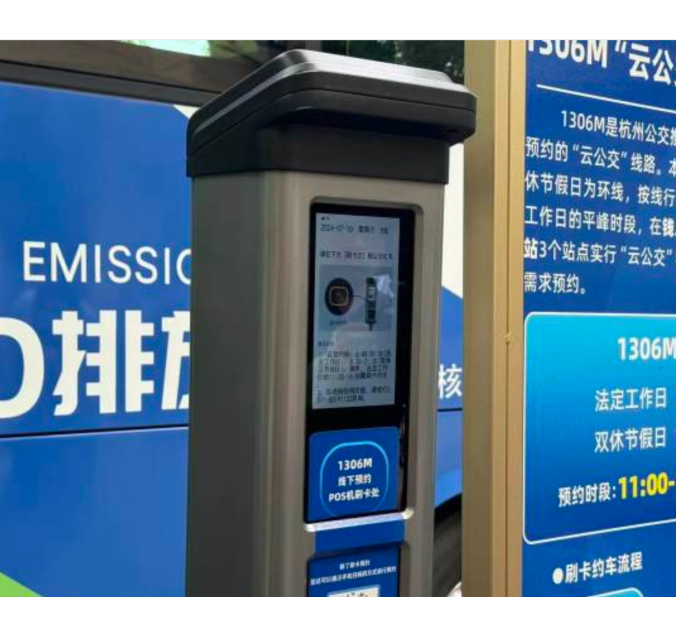
Amid opportunities for smart, green, sustainable urban transport development, Hangzhou has successfully unlocked a new scene for DRT with the “quick appointment and arrival” concept.
Golong has assisted in implementing this project in Hangzhou, aiming to enhance bus operational efficiency, reduce operational costs, and provide a personalized, precise seamless transport experience for passengers. With the formal launch of Hangzhou's first offline trial bus route, the DRT solution is expected to lead the future trend and direction of urban transport development.

DRT: Integration of Online and Offline Scenarios in Changzhou
Golong’s DRT supports the innovative upgrade of Changzhou’s “Cloud Public Transport,” promoting the transformation of transport services. This DRT effectively achieves real-time sharing and precise matching of travel demand and capacity information, significantly increasing vehicle utilization while reducing empty travel rates, thereby achieving cost reduction and efficiency improvement.
DRT services, through their innovative dual-channel appointment model (online and offline), are leading a new era in bus operations. Smart terminal appointment machines with integrated mobile payment functions have been deployed at bus operation stations to provide passengers with convenient bus appointment services. The appointment process is straightforward, allowing passengers to view real-time bus appointment status and complete operations through device screens.
Dual-Channel Appointment:
- Online: WeChat Mini Program, Phone Appointments
- Offline: Smart Terminal Appointments
Overall Appointment Process:
1.Card-tap to Book a Ride:
-
- Tap card → Click the screen to “Book a Vehicle” → Wait for the vehicle arrival →
- Successfully board (tap card or pay cash on board)

2.Card-tap to Cancel a Ride:
-
- Tap card → Click the screen to “Cancel a Ride” → Cancellation successful
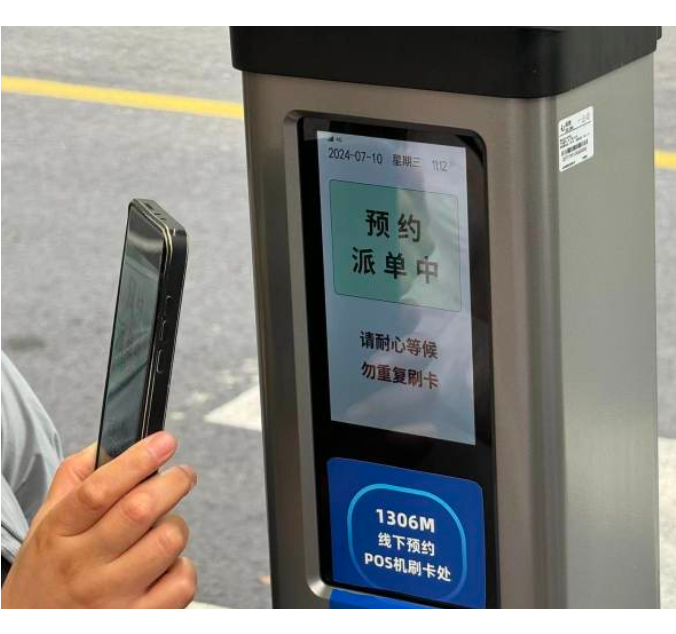
3.Customized Bus Service in Lin'an Village, Hangzhou:
Characteristics of the online-offline integration model in Lin'an Village: The village transport line connects villages to urban areas over a long distance, with low passenger flow and long intervals between departures.
Operation Model: The line adopts a segmented reservation system, with bookable trips open daily. A bus will depart only if at least 10 reservations are made for that trip, combined with offline hardware to provide age-friendly services.
Trial Operation Effects:
1.Capacity Savings: Buses depart only when group bookings are successful, reducing vehicle investment.
2.Savings in Empty Travel.
3.Regular Trips Converted to Group Bookings: Precise responses reduce empty travel while providing age-friendly services for elderly groups.
4.Cost Consideration: Age-friendly reservation reminder functionalities.
Reservation Process:
1.POS machine at station for card swiping.
2.Group booking for rides.
3.Booking through smart pole.
4.Mobile phone group bookings.
5.SMS + H5 reminders.
The introduction of smart travel appointment machines not only provides significant convenience for individual users but also offers strong support for public transport operations. Through management platforms, companies can achieve refined management, enhancing information management efficiency, thereby providing smarter transport services.
DRT not only improves the efficiency of bus operations but also meets passengers' personalized travel needs. Passengers can view real-time bus appointment statuses via device screens and have the ability to make and cancel reservations. They can pay for appointments using card swiping or QR code scanning, greatly enhancing passenger satisfaction. Meanwhile, the intelligent scheduling program in the SaaS public transport system backend ensures that vehicles can respond promptly to completed reservations and arrive at designated stops, effectively reducing unnecessary travel time.